
HIV science races ahead as funding crisis threatens to widen access gap
What the report says
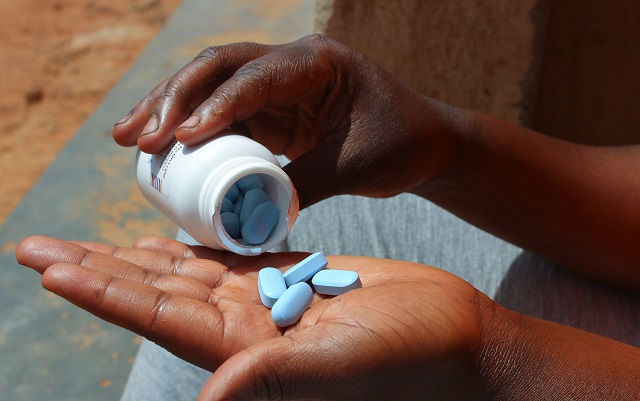
The Independent Uganda reports that major advances in HIV prevention and treatment are emerging at the same time that funding instability threatens access to services in countries dependent on international support. The July 29, 2026 analysis by Patricia Akankwatsa, published from Kampala, says researchers are pointing to promising tools, including twice-yearly injectable HIV prevention and a possible once-weekly oral treatment for people already living with HIV.
According to the report, disruptions to the U.S. President’s Emergency Plan for AIDS Relief began after a January 2025 executive order by U.S. President Donald Trump paused foreign assistance for review. The article cites studies indicating that implementing partners across 46 countries lost funding awards, restricted activities or saw services interrupted. It says 1,714 HIV service sites were closed, including public health facilities, access points and community drop-in centres, while some groups reported shortages of condoms, laboratory supplies, PrEP medicines and antiretroviral drugs.
The Independent also reports that a separate analysis found 77,163 fewer children received PEPFAR-supported treatment in the 2025 financial year than the year before, a 14.2% drop, with Uganda, Kenya, Zambia, Haiti and South Africa among countries showing possible shifts from earlier treatment trends. International AIDS Society officials cited in the article warned that scientific progress will have limited impact if financing and delivery systems weaken.
On the research side, the article highlights results from PURPOSE studies on lenacapavir, a long-acting injectable prevention medicine, including findings among women in Uganda and South Africa. It also notes Phase III results for a weekly oral regimen combining islatravir and lenacapavir, described as comparable to daily therapy among adults whose HIV was already suppressed. The broader concern is that innovation could widen inequality if new options remain unaffordable or unavailable.
Loading debate for this article…
Other publishers covering this story
No additional verified coverage is currently clustered with this report.
Related reporting
 Northern Bypass has nine of Kampala’s 10 major crash hotspotsThe Independent Uganda
 Gen. Muhoozi Assigns Patriotic Officer Numbers to Tycoons Sudhir, Kirumira, and Ex-VP Prof. Gilbert Bukenya as PLU Expands RanksWatchdog Uganda
 Museveni orders review of plan to turn Kampala City Square into hotelThe Observer
 Who are the dark Horses to watch out for AT Hima Cement Clash of Titans?The Independent Uganda
 Culture, dance and heritage as Ethiopians welcome 2019Sqoop Uganda
 Miss Uganda’s C-Section Gown Turns Birth Anatomy into Global FashionSoftPower News