HIV care conquered the virus. It’s failing to keep some patients alive, UCSF study finds - San Francisco Chronicle
What the report says
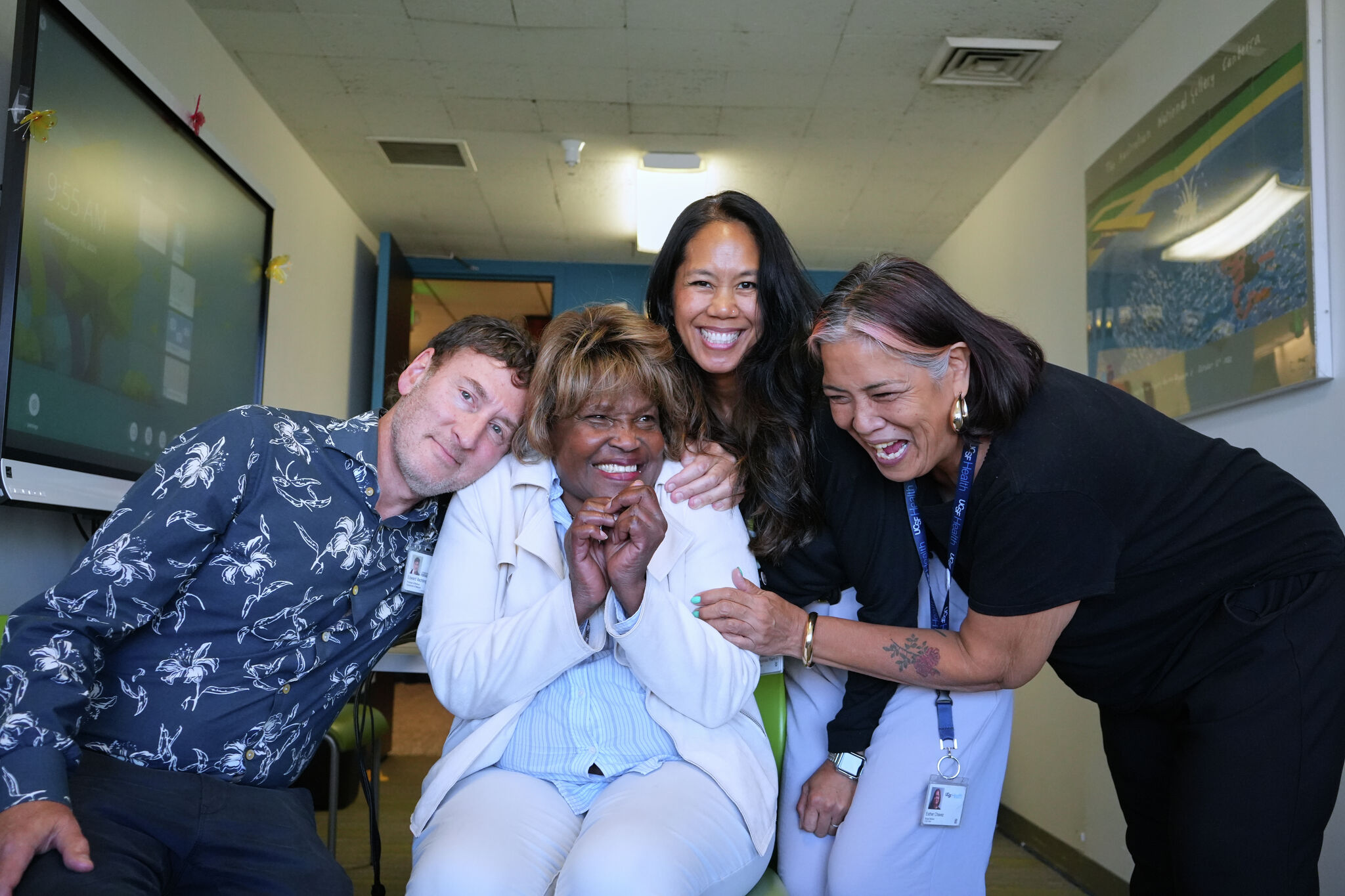
The San Francisco Chronicle reported that a UCSF study is challenging a central assumption in modern HIV care: that achieving viral suppression is enough to keep patients healthy. The July 19, 2026, article focuses on UCSF’s Women’s HIV Program in San Francisco and patient Wanda Demus, 72, who has lived with HIV since 1985 while also facing complex PTSD, addiction, homelessness, domestic violence and sex trafficking.
According to the Chronicle, Dr. Edward Machtinger and colleagues reviewed the deaths of 40 women with HIV who had been treated by the UCSF program over two decades. Their analysis found that deaths were usually tied to multiple factors, including substance use, mental illness and HIV. The researchers said death certificates often overstated HIV’s role and undercounted addiction and mental health: HIV appeared on 27 certificates, but the team judged it the cause in six cases; substance use and mental illness were apparent in 23 cases each, but were listed far less often.
The findings matter because public health systems often measure HIV care through a continuum that ends with viral control. Machtinger’s team argues that “survival” should be added as another endpoint, reflecting the reality that trauma, unstable housing, addiction and mental illness can undermine treatment and shorten lives even when effective HIV medicines exist.
The Chronicle noted that UCSF’s women’s clinic has adopted a trauma-informed model that pairs HIV treatment with mental health, substance-use, housing and social support. Advocates quoted in the story said uneven HIV care remains a national concern, particularly where patients have limited access to updated medications or wraparound services.
Loading debate for this article…
Other publishers covering this story
No additional verified coverage is currently clustered with this report.
Related reporting
 REPORT: 90% of Ugandans can’t wash their hands properlyThe Independent Uganda
 75% of Cancer Patients in Uganda Seek Treatment at Advanced Stages, Experts WarnNile Post
 Benard Feni Joins Malaria Free Uganda Board as Push for Domestic Funding GrowsNile Post
 Victoria University hosts first inter-university mental health symposium - PML DailyPML Daily
 Lango Seeks Japanese Investment in Agriculture, Industry and Social ServicesNile Post
 Medicine shortages undermining village health teamsThe Observer