Highly sensitive people don’t actually have sharper senses, study finds - PsyPost
What the report says
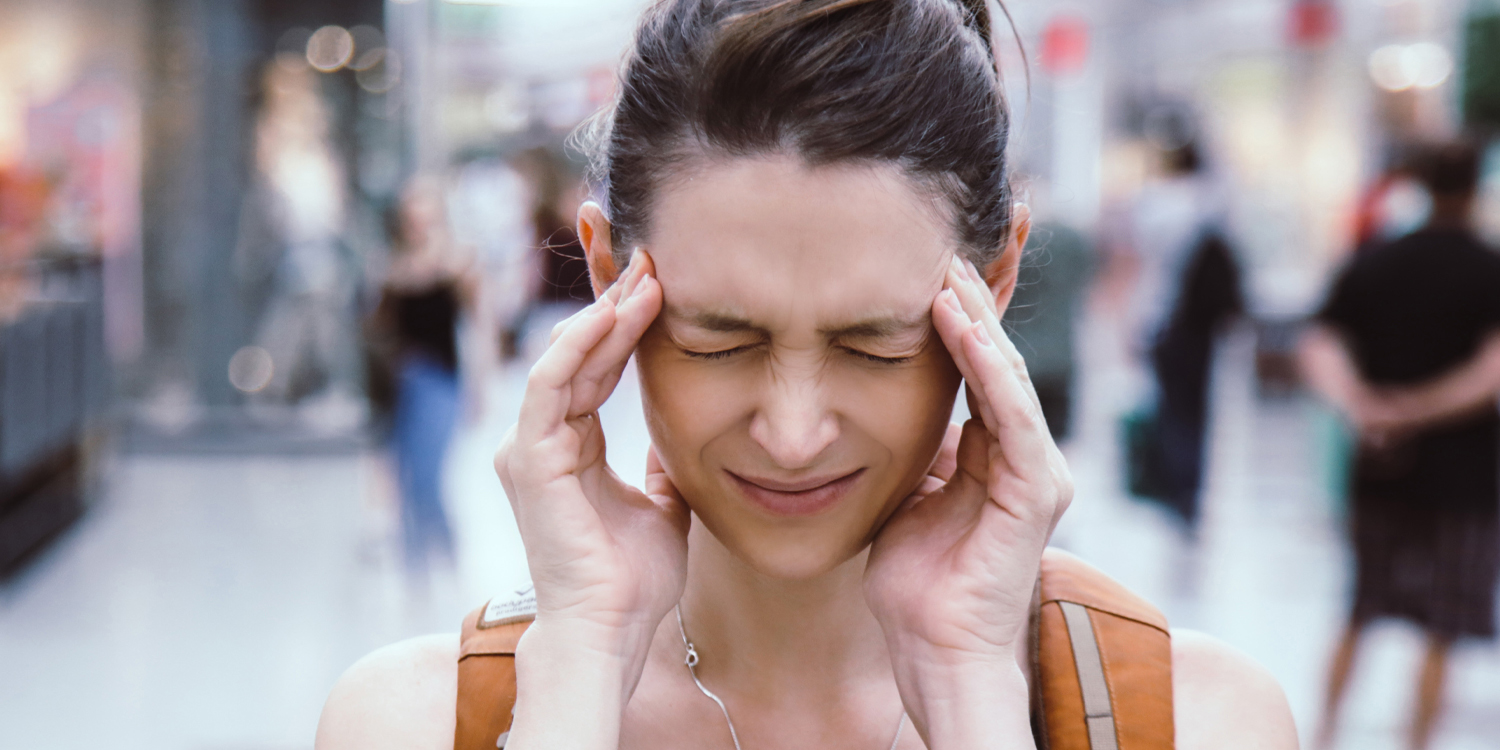
PsyPost reported on July 20, 2026, that new research in the Journal of Research in Personality challenges a common belief about people who identify as highly sensitive. The study found that high sensory processing sensitivity, or SPS, was not consistently linked to better objective hearing, vision, smell, balance, temperature detection or pain thresholds. Instead, the findings point toward differences in how sensory experiences are interpreted and felt emotionally.
The research was led by Danièle A. Gubler of the University of Bern in Switzerland, with co-authors Matthias Ertl, Tobias Janelt, Marcus Roth and Stefan J. Troche. The team recruited 150 women, averaging about 23 years old, and used established questionnaires to measure SPS alongside personality traits such as neuroticism and extraversion. Participants also completed laboratory tests designed to measure the minimum level at which they could detect sensory stimuli and the point at which some sensations became painful.
According to PsyPost’s account, people with higher SPS scores did not reliably show sharper sensory thresholds than those with lower scores. They did, however, tend to describe themselves as more sensitive, especially regarding pain. When the researchers accounted for neuroticism and extraversion, many links between SPS and self-rated sensitivity became weaker, suggesting that emotional tendencies may partly explain how sensitivity is reported.
The study matters because SPS is often discussed as if it reflects unusually acute senses. The reported findings suggest a more cautious interpretation: high sensitivity may involve subjective evaluation and emotional response rather than superior sensory organs. PsyPost noted limits to the work, including its all-female, mostly young sample, its focus on basic lab thresholds and its one-time design.
Loading debate for this article…
Other publishers covering this story
No additional verified coverage is currently clustered with this report.
Related reporting
 Atwine Warns Border Officers Over Ebola Screening Lapses at MpondweNile Post
 Rising patient numbers strain Bulucheke Health Centre IVThe Independent Uganda
 Health officials race to trace source of Nigeria's Ebola infection - Daily MonitorDaily Monitor
 Uganda Martyrs Hospital Unveiled in Honour of Late Bishop WamikaNile Post
U.S. to Reduce Health Aid to Kenya as Nairobi Takes Over HIV, Malaria Funding - ChimpReportsChimpReports
Mubende hospital restricts number of caregivers to tackle overcrowding - Daily MonitorDaily Monitor
Uganda Martyrs Hospital Unveiled in Honour of Late Bishop WamikaNile Post
U.S. to Reduce Health Aid to Kenya as Nairobi Takes Over HIV, Malaria Funding - ChimpReportsChimpReports
Mubende hospital restricts number of caregivers to tackle overcrowding - Daily MonitorDaily Monitor