
Gut microbes followed migrating humans across continents, new study suggests
What the report says
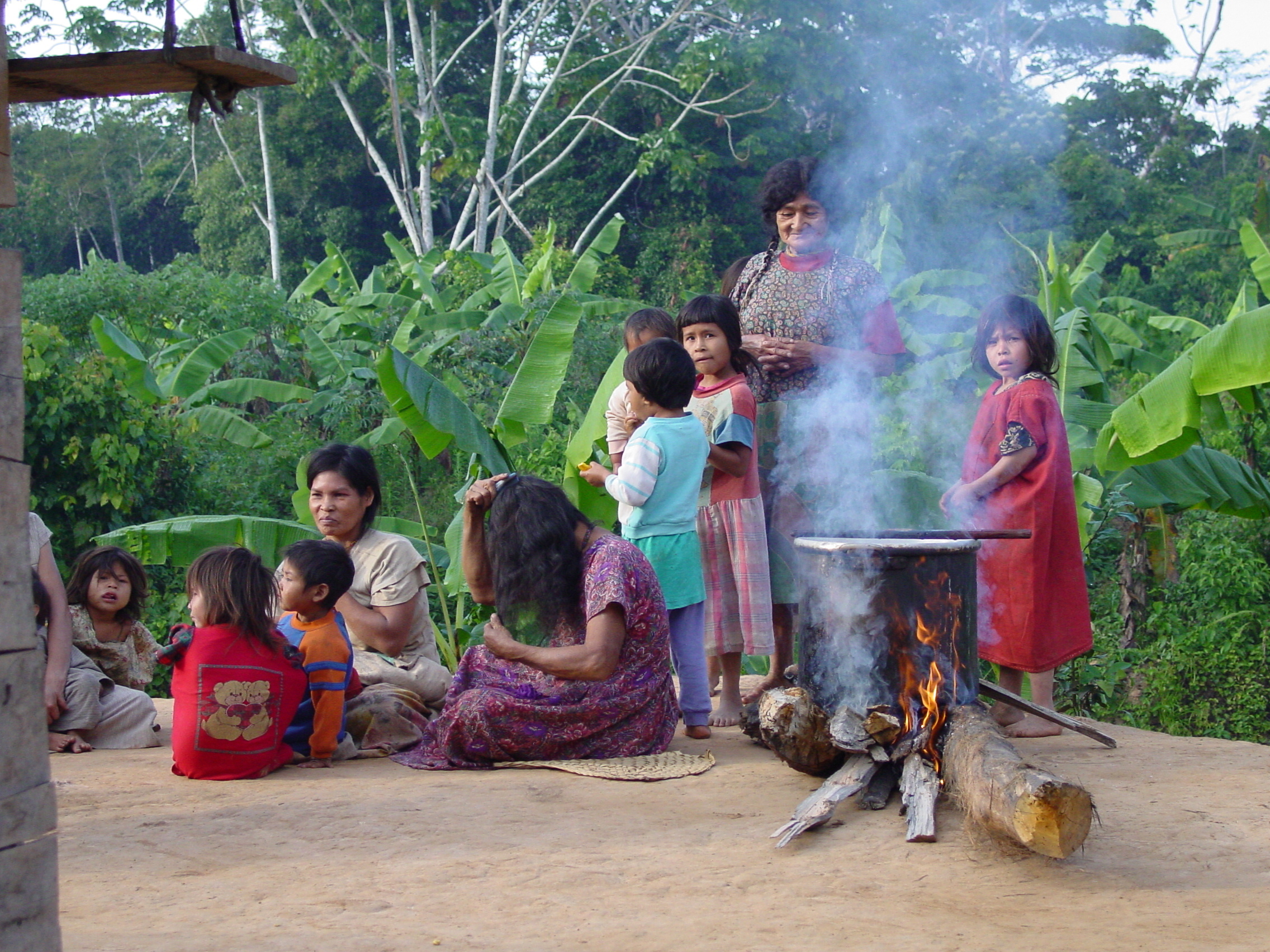
A new study highlighted by NPR World examines how human migration may have helped shape the bacteria living in the gut. The research compares gut microbiomes in hunter-gatherer communities in Tanzania and horticulturalist communities in Bolivia, drawing attention to unexpected similarities between the two groups despite their different regions and lifestyles.
According to NPR’s summary of the study, the work focuses on people whose ways of life are often discussed in research on diet, environment and the human microbiome. The communities named in the report are the Hadza in Tanzania and the Tsimane in Bolivia. Scientists are using these comparisons to explore how gut microbes may have moved with human populations over long periods and across continents.
The broader significance is that the microbiome may hold clues not only about digestion and nutrition, but also about human evolution and health. The article frames the research as part of a larger effort to understand what these bacteria do inside the body and whether modern changes in lifestyle have altered a relationship shaped by migration, traditional diets and close contact with the environment.
Because the full article text was unavailable, the summary is limited to the details supplied by NPR World and general background on microbiome research.
Loading debate for this article…
Other publishers covering this story
No additional verified coverage is currently clustered with this report.
Related reporting
 Germany’s Merz vows to fight ‘extremism’ after AfD, far-left election gainsAl Jazeera
 Trump Administration Delays Threaten Funding for HIV ResearchNew York Times World
 More than 200,000 displaced as fighting escalates in Yemen, UN saysAl Jazeera
 Israelis demand accountability over 7 October failures three years after attacksBBC World News
 Somalia: Beyond Irro's U.S. Visit - Next Steps for Washington-Hargeisa RelationsAllAfrica
 Ghana: Harmonise Biotech Regulations to Attract Investment - MinisterAllAfrica