
Great Apes kiss and cuddle to keep the peace, says study - BBC
What the report says
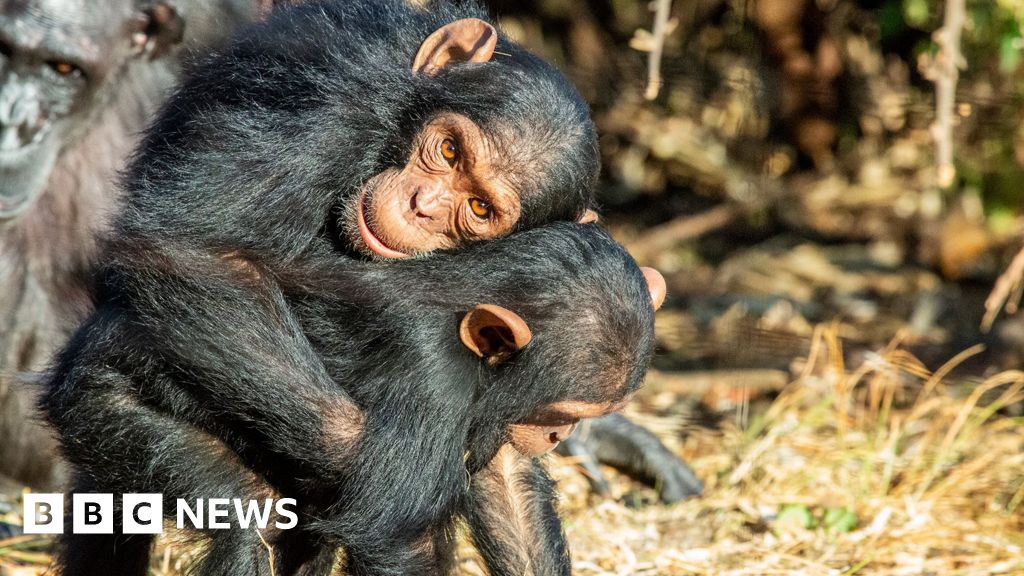
BBC News reported that scientists studying chimpanzees and bonobos have found evidence that close physical contact before tense moments may help great apes reduce conflict and build trust. The research, led by Durham University, examined how the animals used behaviours such as touching, embracing and kissing ahead of competition over food at sanctuaries in the Democratic Republic of Congo and Zambia.
According to the BBC, the researchers created a feeding scenario using peanuts and watched the apes during the five minutes before the food arrived, when the animals appeared to anticipate the event. They recorded reassuring contact among individuals and found that apes that touched or hugged were more likely to feed near one another without conflict. In more tolerant groups, the team observed chains of reassurance, with several apes embracing in sequence.
Prof Zanna Clay told the BBC that the animals seemed to gather and reassure each other before stressful situations, comparing the behaviour to a team huddle. Dr Jake Brooker said comparing bonobos and chimpanzees, humans’ closest living relatives, can shed light on the origins of cooperation and tension management. The findings include notable observations of chimpanzees engaging in intimate contact despite their more aggressive reputation.
The study was published in Proceedings of the Royal Society B: Biological Sciences. The researchers suggest that using touch to support cooperation could have deep evolutionary roots, possibly predating the split between humans, chimpanzees and bonobos. That interpretation offers context for why human gestures such as hugs, shoulder pats or pre-event huddles may feel socially stabilising.
Loading debate for this article…
Other publishers covering this story
Related reporting
 Seven missing after multi-storey building collapses in Kenya's capitalBBC World News
 Brazil’s Lula and Bolsonaro debate policy proposals before run-offAl Jazeera
 Ethiopian PM’s advisor: Tigrayan forces and others hinder stabilityAl Jazeera
 Just Eat apologises after AI-generated images blunderAl Jazeera
 Ilhan Omar votes as Trump renews attacks amid federal probeAl Jazeera
 Why is Israel launching a new military operation in the occupied West Bank?Al Jazeera