Germany's political center fights for relevance after far-right and far-left gains
What the report says
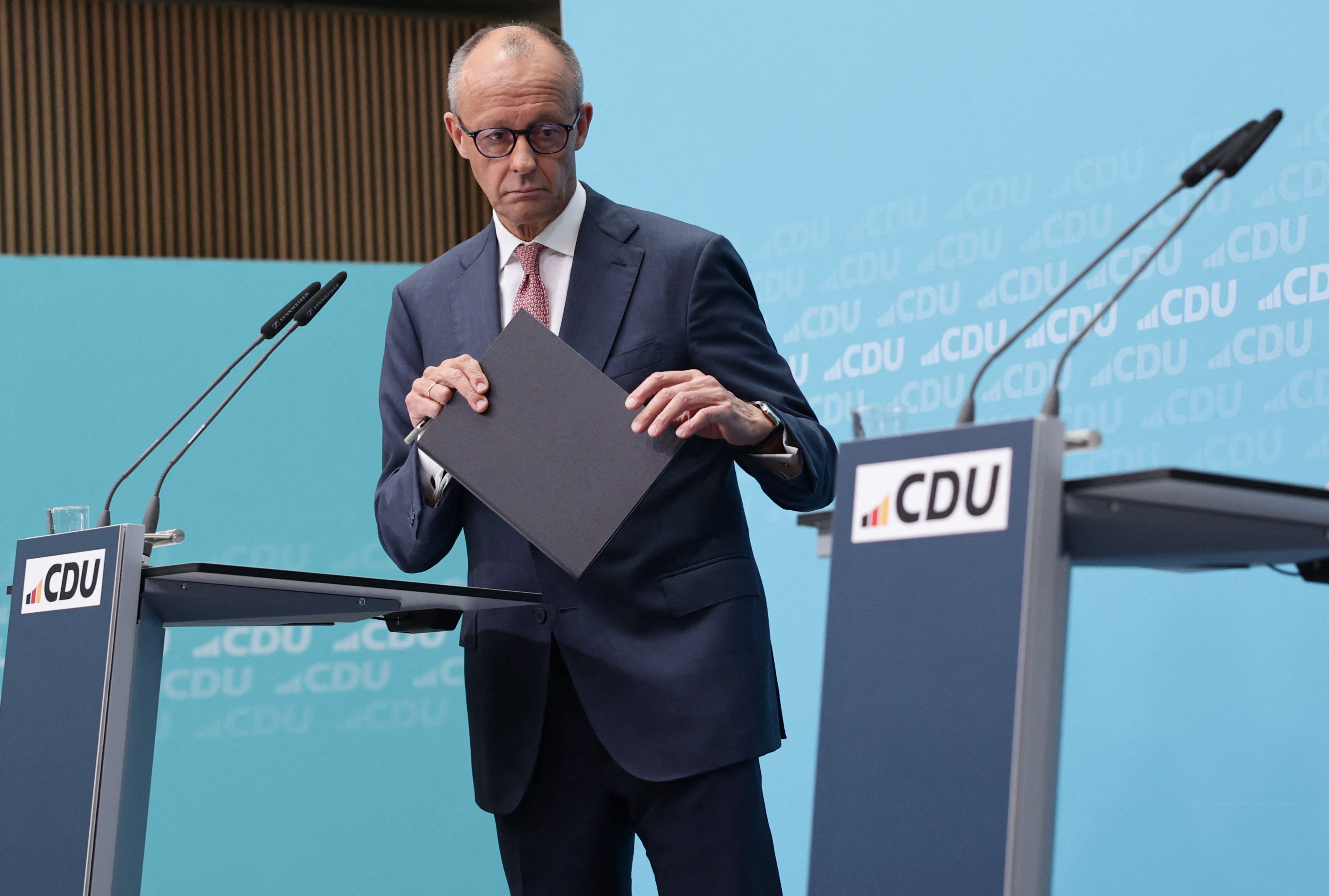
Germany’s mainstream political parties are facing renewed pressure after electoral gains by parties on the far right and far left, according to NPR World. The report says centrist politicians are examining what went wrong as support fragments across the political spectrum, leaving traditional governing blocs weaker and harder to sustain.
The piece focuses on Germany’s political center, where leaders are trying to remain relevant amid unstable coalitions and growing voter dissatisfaction. NPR World links the current environment to a broader sense of unease about the country’s economy and political direction, with those tensions feeding a more divided landscape.
The article also places the moment in a wider historical context, noting that some observers see echoes of earlier periods in Germany when economic distress and fractured politics helped extremists gain ground. That comparison is presented as background rather than a direct prediction, but it underscores why the current shift is being watched closely.
The core development matters because Germany is one of Europe’s most influential democracies, and the strength of its centrist parties has long shaped both domestic policy and European stability. As NPR World reports, the immediate challenge is whether the political middle can rebuild enough support to govern effectively in a more polarized era.
Loading debate for this article…
Other publishers covering this story
No additional verified coverage is currently clustered with this report.
Related reporting
 What’s happening in Ethiopia?Al Jazeera
 Whistleblower warns that humans don’t control AIAl Jazeera
 Trump’s approval hits new low among Hispanic voters ahead of midtermsAl Jazeera
 In Iraq, ISIS members once jailed in Syria face trialNPR World
 ‘Smash the patriarchy’: Activists graffiti Cornell hall over gang rape caseAl Jazeera
 France braces for national day of school protests after injuries and mass arrestsBBC World News