
Georgia’s Okefenokee Swamp is now a UNESCO World Heritage site - AJC.com
What the report says
The Atlanta Journal-Constitution reports that Georgia’s Okefenokee National Wildlife Refuge was added Saturday to the UNESCO World Heritage List during the World Heritage Committee’s 48th session in Busan, South Korea. The designation makes the Okefenokee Georgia’s first World Heritage destination and the 27th U.S. site on the list. According to the AJC, it is also the first natural site in the United States to receive the honor in more than three decades.
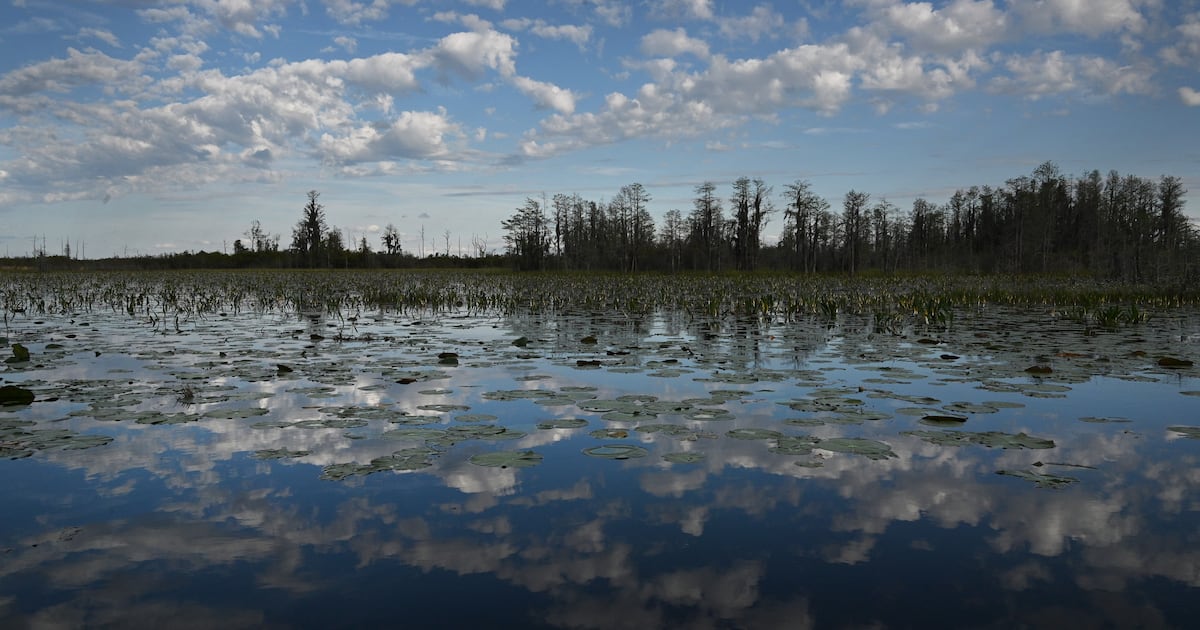
The refuge covers more than 400,000 acres in southeast Georgia and is described in the report as North America’s largest blackwater swamp and one of the world’s most intact wetlands. The AJC says the site supports more than 1,270 plant and animal species, including threatened or endangered species such as the red-cockaded woodpecker and eastern indigo snake, and contains peat that stores carbon. The Okefenokee also has deep Indigenous significance; ancestors of the Muscogee (Creek) Nation and other Native peoples lived in and around the swamp thousands of years ago.
The listing follows a decadeslong campaign that began after the swamp was identified as a possible World Heritage site in 1982. It was formally nominated in 2024, and supporters included conservationists, scientists, government officials, nonprofits and local residents. The nomination emphasized the refuge’s biodiversity, ecological integrity and varied landscapes, and received support from the International Union for Conservation of Nature, UNESCO’s advisory body for natural sites.
The AJC notes that World Heritage status does not create new legal protections or control private lands around the swamp. Future mining proposals near the refuge could still be considered by regulators. Supporters say the recognition could raise the swamp’s profile, encourage conservation and bring more tourism to nearby rural communities.
Loading debate for this article…
Other publishers covering this story
No additional verified coverage is currently clustered with this report.
Related reporting
 Who Israel elects matters, and not just for IsraelisAl Jazeera
 Why is Ukraine so reliant on Starlink and can Europe plug the gap?BBC World News
 Nigeria’s missing: Families in the northeast still wait for answersAl Jazeera
 Election posters, mass tourism and property: Israel’s footprint in CyprusAl Jazeera
 Bots, deepfakes and surveillance: Israel’s election goes to war onlineAl Jazeera
 Israel to close West Bank crossings on election day as crackdown escalatesBBC World News