From war to wealth; Uganda must continue to organise not agonise
What the report says
The Independent Uganda published a commentary by Crispin Kaheru arguing that Uganda’s long-term economic progress has depended on organizing people, land, capital and markets around production. Marking 64 years of independence, the piece says the country’s early agricultural growth, including cotton and coffee systems built by smallholders, chiefs and institutions, showed how coordinated economic activity can generate income and transformation.
The commentary contrasts that productive base with the instability that followed independence and says Uganda had to rebuild peace and economic order after 1986. It points to the Luweero Triangle, once a conflict zone, as an example of how former battlegrounds have been turned toward development. The article also cites Operation Wealth Creation, launched in 2013 and later expanded nationwide, as part of efforts to bring more households into the money economy.
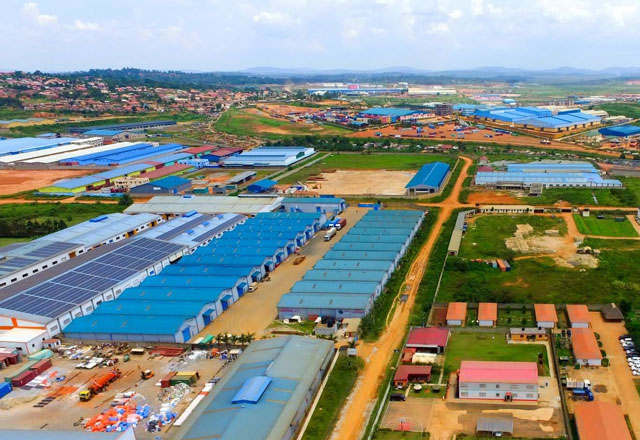
A central example is the Kapeeka Industrial Park in Luweero, which the article says had expanded by 2025 to 34 factories, more than 1,000 products, over 6,000 direct jobs and about 30,000 indirect jobs. Kaheru uses that case to argue for building full value chains, from farming and finance to processing, branding and markets.
The commentary concludes that Uganda’s economic goals, including the government’s Tenfold Growth Strategy and ambition for a US$500 billion economy by 2040, will depend on disciplined execution and retaining more value from exports such as coffee. The broader point is that Uganda must shift from exporting raw products to owning more of the industrial and commercial chain.
Loading debate for this article…
Other publishers covering this story
No additional verified coverage is currently clustered with this report.
Related reporting
 Rising above war and ridicule: The 50-year journey of Gulu SS - Daily MonitorDaily Monitor
Recounting Gulu senior’s 58 years after Amin expelled Asians - Daily MonitorDaily Monitor
STATEMENT OF APPRECIATION - Daily MonitorDaily Monitor
Relief in sight for Tororo as Museveni directs creation of new counties, city - Daily MonitorDaily Monitor
Brian Ayesiga documents events beyond Uganda - Daily MonitorDaily Monitor
I’m going to shoot him to death, Gen Muhoozi threatens missing opposition activist Sam Mugumya - Daily MonitorDaily Monitor
Rising above war and ridicule: The 50-year journey of Gulu SS - Daily MonitorDaily Monitor
Recounting Gulu senior’s 58 years after Amin expelled Asians - Daily MonitorDaily Monitor
STATEMENT OF APPRECIATION - Daily MonitorDaily Monitor
Relief in sight for Tororo as Museveni directs creation of new counties, city - Daily MonitorDaily Monitor
Brian Ayesiga documents events beyond Uganda - Daily MonitorDaily Monitor
I’m going to shoot him to death, Gen Muhoozi threatens missing opposition activist Sam Mugumya - Daily MonitorDaily Monitor