
Flávio Bolsonaro calls himself 'leader of Brazil' after election loss

What the report says
Flávio Bolsonaro, the defeated candidate in Brazil’s presidential election, has described himself as “leader of Brazil” in a social media letter posted after leaving the country for the United States, according to BBC World News. He also said he would lead the opposition from abroad, even though it was not immediately clear what that would mean in practical terms. The comments come after he lost to Luiz Inácio Lula da Silva in Sunday’s runoff by 4.4 million votes and has not conceded defeat.
In the letter, Bolsonaro repeated his claim that the election was tainted by fraud and argued that an extension of polling hours helped his rival. Brazil’s electoral authority has rejected those concerns, saying the vote was conducted normally and within the law. BBC reporting also notes that its analysis of election data found only around 34,000 people voted during the extended period, far fewer than the margin separating the candidates. Bolsonaro’s party has accepted the result, while some allies have referred to him as a political exile.
The article says Bolsonaro left Brazil after failing to hand over his passports in line with a Supreme Court order linked to a money-laundering investigation. He has denied wrongdoing and says he is being politically persecuted. Lula called his departure a shameful act. Bolsonaro later surfaced in Florida after travelling through Argentina and Ecuador, and the US has provided visas for him and his family, though it has not said what type.
Loading debate for this article…
Other publishers covering this story
No additional verified coverage is currently clustered with this report.
Related reporting
 A marathon runner’s hard lessonNew York Times World
 State Dept. to Shift Millions in Contraception Funding to Cover Energy CostsNew York Times World
 African officials agree to keep borders open despite Ebola outbreakAnadolu Agency Africa
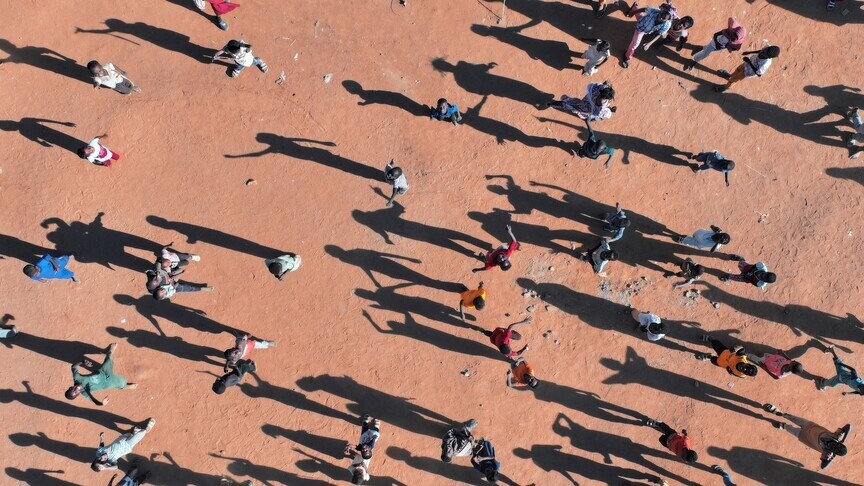 Nearly 120,000 displaced in Sudan’s Blue Nile state since January: UN agencyAnadolu Agency Africa
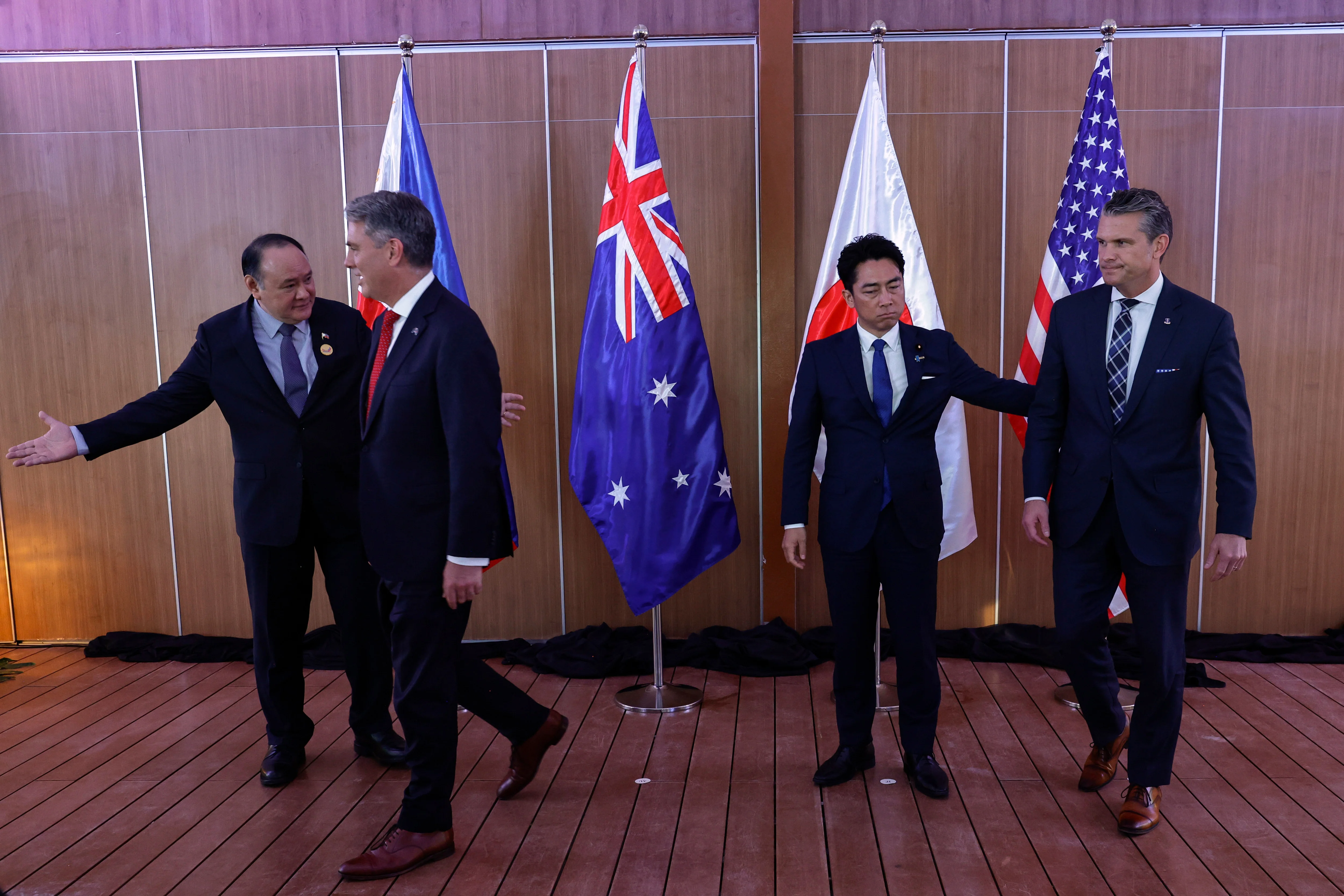 US and Japan agree to establish a Japanese facility for joint missile productionNPR World
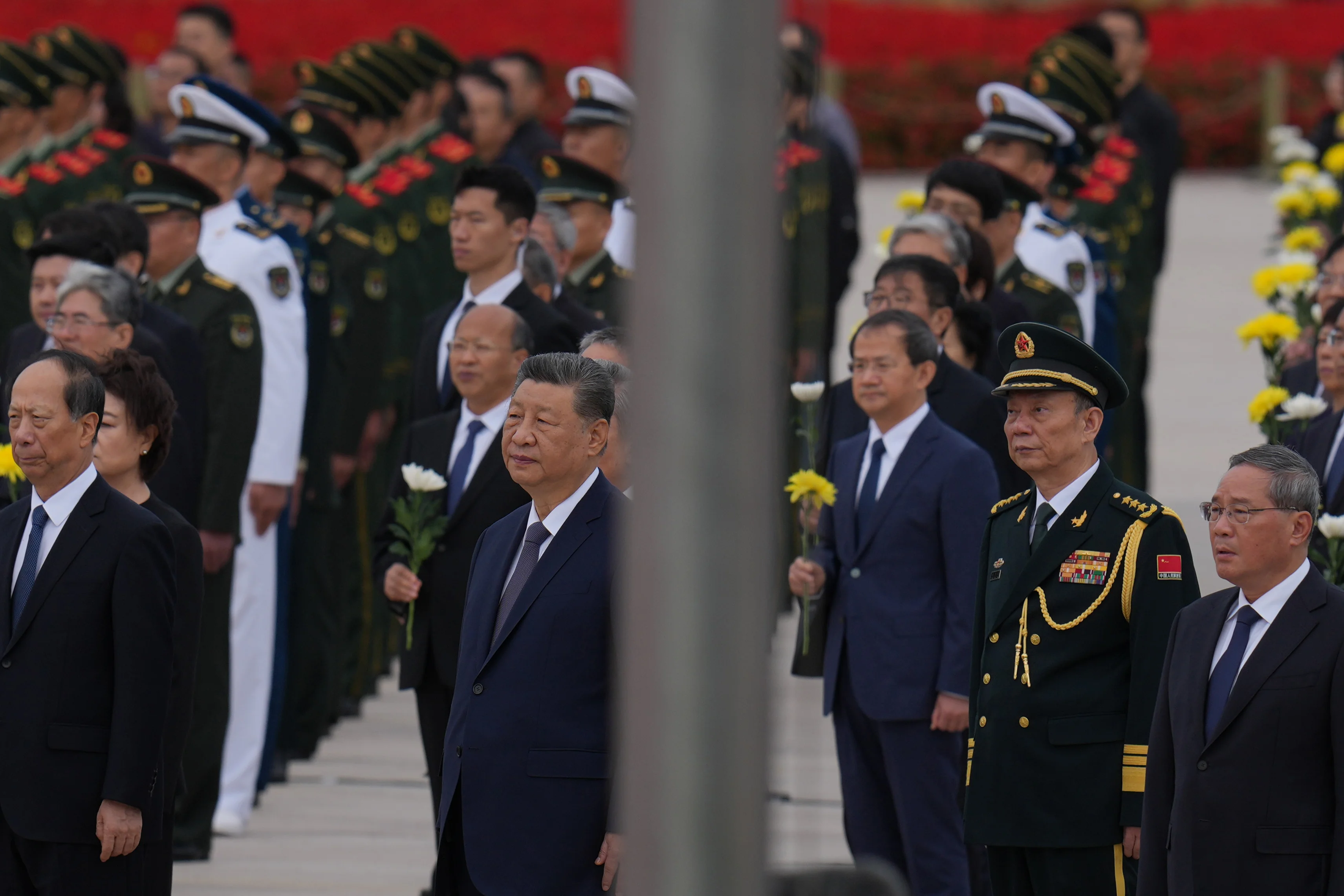 China elevates a military general to the Politburo and seeks to strengthen party disciplineNPR World