EXPLAINER: What A Dollar Above Shs4,000 Means and What It Really Costs You

What the report says
Nile Post published an explainer on what it means for the US dollar to trade above Shs4,000, focusing on how exchange-rate pressure can affect everyday costs in Uganda. The piece says the impact is often first seen in fuel prices, since oil is bought in dollars, which can push up petrol and diesel costs and then ripple through transport fares, food distribution and business expenses.
The article argues that a weaker shilling affects households well beyond the forex market because Uganda imports many essentials, including fuel, medicines, machinery and consumer goods. As importers need more shillings to buy dollars, those costs can be passed on to shoppers through higher prices for items such as rice, cooking oil and soap. It also notes that healthcare can be affected when imported drugs and medical equipment become more expensive.
Nile Post further outlines how small businesses, freelancers and borrowers may feel the strain, especially if they rely on imported inputs or owe money in dollars while earning in shillings. The explainer says the central bank can help smooth sharp swings in the currency, while longer-term relief depends on stronger export earnings, investment and reduced reliance on imports. It adds practical advice for readers, such as favoring local products where possible and being cautious about dollar-linked commitments.
Loading debate for this article…
Other publishers covering this story
No additional verified coverage is currently clustered with this report.
Related reporting
 Musasizi Seeks More Time to Explain Shs140bn HABA Group Letter of ComfortNile Post
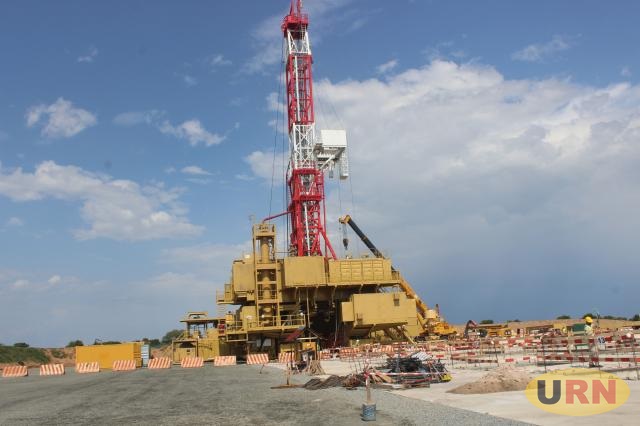 Uganda’s Oil Dream: Competitive goldmine or costly gamble?The Independent Uganda
 Koboko girls call for free sanitary padsThe Independent Uganda
 Court remands ambassador over Sh494 million lossThe Independent Uganda
 How UGX 149M Disability Election Cash Sparked Pallisa Anti-corruption StormDokolo Post
 Kira election petition: NRM candidate blames military deployment, flawed results for defeat - Daily MonitorDaily Monitor