
Even camels can't cope: Africa's ships of the desert hit by rising temperatures
What the report says
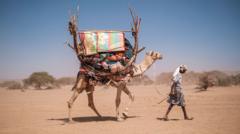
BBC World News reports that camel herders and animal-health experts across parts of Africa are seeing signs that extreme heat is overwhelming even dromedary camels, long relied on for their ability to survive drought and desert conditions. The report focuses on the Afar region of north-eastern Ethiopia, where herder Ali Umer told the BBC that his animals are suffering burns, watery eyes and foot blisters, and that he recently lost eight calves during a period of intense heat.
The BBC says the problem matters because North Africa and the Horn of Africa are home to about 80% of the world’s dromedary camels, and many pastoralists have shifted from cattle to camels as drought and heat have intensified. Studies cited by the BBC link climate variability and high temperatures to poorer camel health, reduced productivity and reproductive problems. In Somalia, research involving nearly 6,000 pastoral households found drought-related camel deaths affected almost 46% of camel-owning households, with particularly severe losses reported in northern regions.
Veterinary and climate experts quoted by the BBC described both direct and indirect pressures: heat stress, dehydration, disease, falling milk yields, reduced vegetation, water scarcity and limited shade. A veterinary officer in Marsabit county, Kenya, said camel deaths there had risen by more than 15% over the past two years due to extreme heat. The article also cites research from Algeria showing higher camel mortality during summer heatwaves.
The wider context, according to the BBC’s cited sources, is that parts of North Africa and the Horn are warming rapidly, with temperatures in some desert areas exceeding 50C. Experts say camels can tolerate harsh conditions, but prolonged heat above their comfort range can damage health, weaken immunity and threaten livelihoods that depend on camel milk, transport and trade.
Loading debate for this article…
Other publishers covering this story
No additional verified coverage is currently clustered with this report.
Related reporting
 Argentinian judge drops fraud investigation into Milei over crypto scandalAl Jazeera
 Syrians protest Israel’s incursions near occupied Golan HeightsAl Jazeera
 WHO announces start of Ebola vaccine clinical trial in DR CongoAl Jazeera
 At least 9 killed in clashes in Ethopia, driving more than 2,000 to flee to KenyaAnadolu Agency Africa
 Iran war live: Israel launches ‘targeted’ Hebron operation after attackAl Jazeera
 Sudan: Drone Strikes Killed At Least 306 People in Three WeeksAllAfrica