Endangered Indiana bat captured in NC for first time since 2015 - WRAL
What the report says
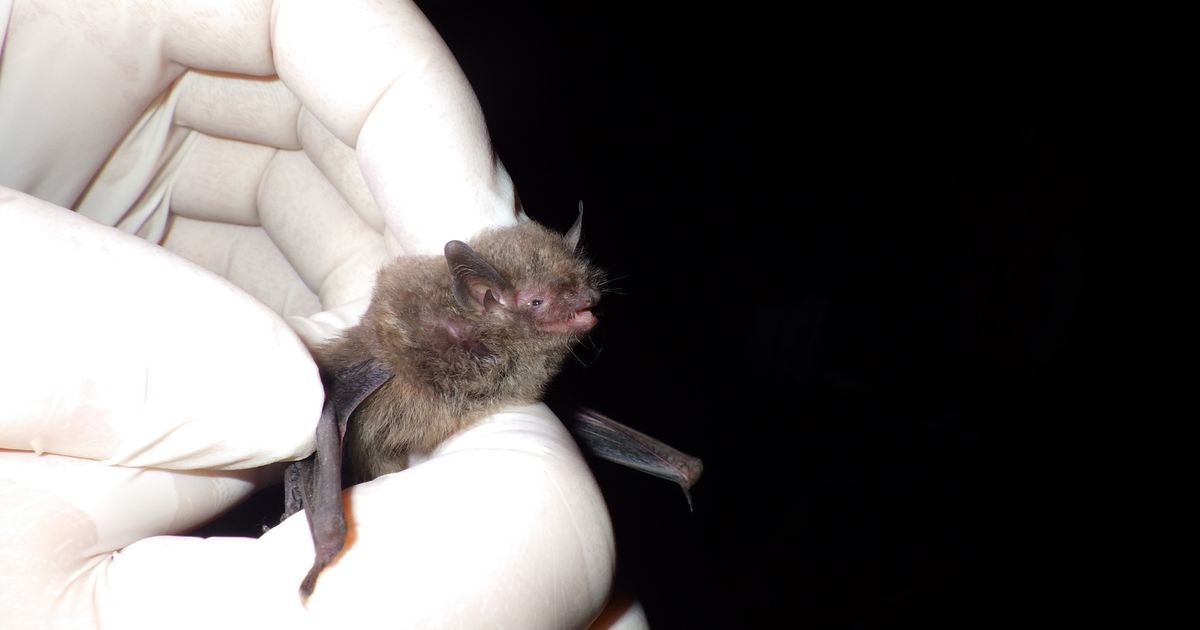
WRAL reports that biologists with the North Carolina Wildlife Resources Commission captured an endangered Indiana bat in North Carolina, the first such capture in the state since 2015. The discovery was made in Nantahala National Forest in Graham County while crews were surveying for bat colonies that may have survived white-nose syndrome.
According to WRAL, the Indiana bat has been listed as federally endangered since 1967. NCWRC bat biologist Katherine Etchison said the agency had recently caught little brown bats in the same area and broadened its survey work in hopes of finding more bats vulnerable to white-nose syndrome, including other survivor species. The report notes that mist-netting lets biologists temporarily capture bats and inspect them by hand.
WRAL reported that wildlife specialists had confirmed a single Indiana bat in Haywood County five years earlier through a roost survey, a separate method used to identify important habitat. The new Graham County capture is notable because it provides direct evidence that the species is still present in the state’s mountain region despite heavy disease impacts.
White-nose syndrome, a fungal disease affecting hibernating bats, has killed an estimated 6.7 million bats since 2006 and has been particularly harmful in North Carolina’s mountains, WRAL reported. Although named for Indiana, the species is native across several eastern states. Bats also play an important ecological role by eating large numbers of insects, and Indiana bats can live around 14 years.
Loading debate for this article…
Other publishers covering this story
No additional verified coverage is currently clustered with this report.
Related reporting
 Medicine shortages undermining village health teamsThe Observer
 Depression: Walking Through the Three Corners of Life Toward HealingNile Post
 Ebola: Uganda Reinstates Traveller Locator FormsNile Post
 Uganda remains Ebola-free as Health ministry probes Nigerian traveller infected with virus - Daily MonitorDaily Monitor
 Atwine Warns Border Officers Over Ebola Screening Lapses at MpondweNile Post
 Rising patient numbers strain Bulucheke Health Centre IVThe Independent Uganda