Dr.Ayub Mukisa: Trust, Distrust, and Mistrust: How They Have Failed Ugandans
What the report says
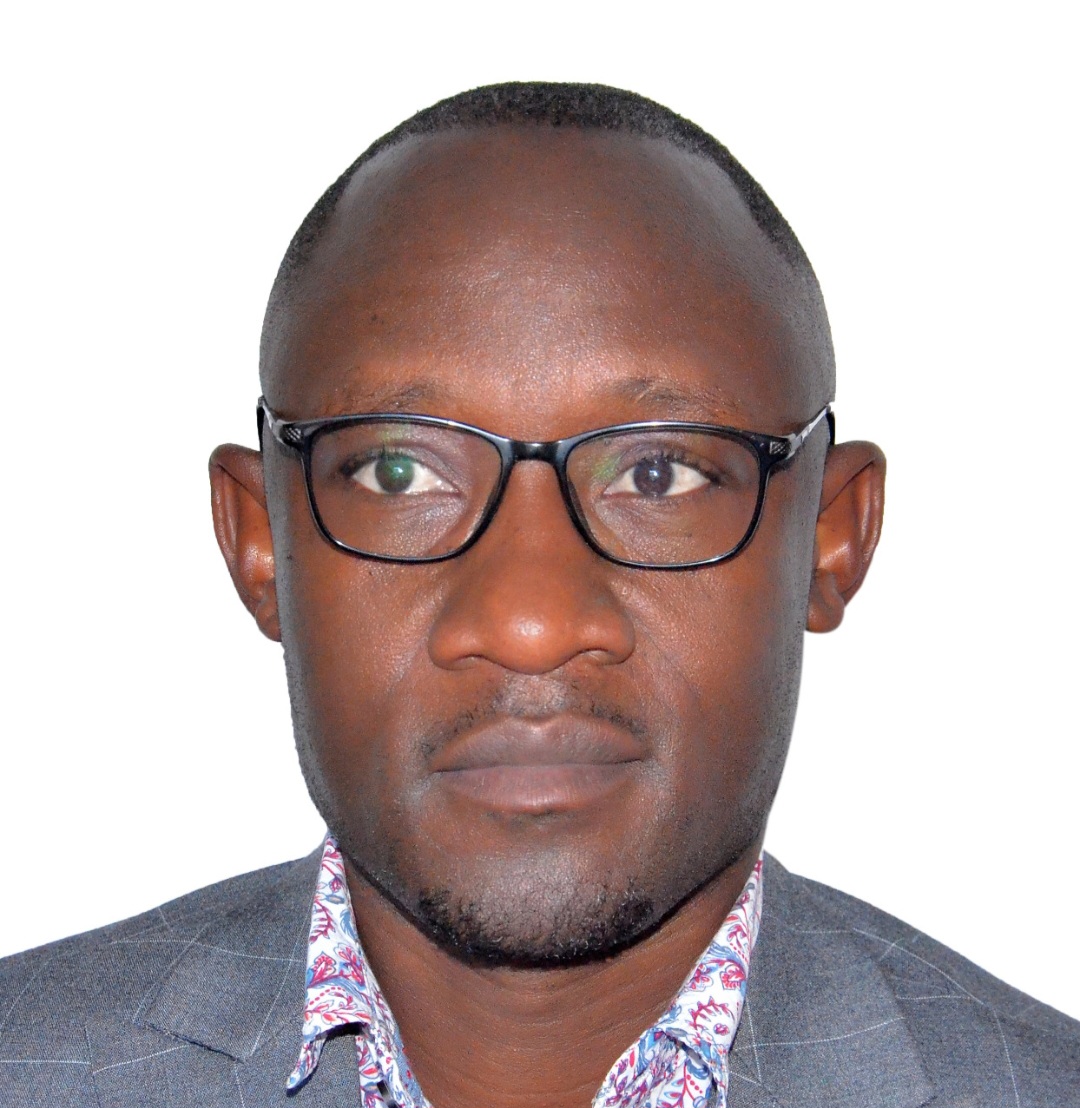
Dr. Ayub Mukisa, who is identified by Watchdog Uganda as the executive director of the Karamoja Anti-Corruption Coalition, has published an opinion piece arguing that trust, distrust and mistrust are central to Uganda’s governance problems. In the article, he says trust should support cooperation, respect for institutions and social cohesion, but contends that repeated failures in public administration have weakened that foundation.
Mukisa links the problem to corruption, political tension and what he describes as weak accountability in local government and district-level offices. He says years of unmet promises, procurement concerns and poor oversight have left many citizens skeptical of public services and regional commissions. He also distinguishes between general skepticism and what he calls active, evidence-based distrust, suggesting that both can cause people to stop cooperating with government programs.
The piece argues that public institutions lose credibility when officials are seen as mismanaging state resources before they reach intended beneficiaries. As a result, Mukisa says, development efforts can stall because people doubt official intentions and expect programs to fail. The article presents this as a broader challenge for national progress rather than a single incident.
Mukisa calls for stronger transparency, stricter anti-corruption enforcement and meaningful community oversight to rebuild confidence. The article cites Dr. Eveliina Lyytinen’s 2013 study on trust and mistrust in Uganda as background, but it is primarily a commentary piece rather than a news report.
Loading debate for this article…
Other publishers covering this story
No additional verified coverage is currently clustered with this report.
Related reporting
 Uganda seek complete show against Gambia - Daily MonitorDaily Monitor
 Land Shortages Push Kyaka II Refugee Farmers to Adopt Better Farming MethodsNile Post
How KCCA budget shortfall of Shs 325bn threatens roads, drainage and waste management projects - Daily MonitorDaily Monitor
African CEOs confident on growth but lag behind on AI, KPMG survey finds - PML DailyPML Daily
Land Shortages Push Kyaka II Refugee Farmers to Adopt Better Farming MethodsNile Post
How KCCA budget shortfall of Shs 325bn threatens roads, drainage and waste management projects - Daily MonitorDaily Monitor
African CEOs confident on growth but lag behind on AI, KPMG survey finds - PML DailyPML Daily
 Biswanka accepts responsibility for son after DNA testSqoop Uganda
Russia bombs Kyiv and Ukraine fires drones towards Moscow, despite talk of renewing negotiations - Daily MonitorDaily Monitor
Biswanka accepts responsibility for son after DNA testSqoop Uganda
Russia bombs Kyiv and Ukraine fires drones towards Moscow, despite talk of renewing negotiations - Daily MonitorDaily Monitor