
DNA and vehicle-tracking help French investigators recover stolen Renoirs
What the report says
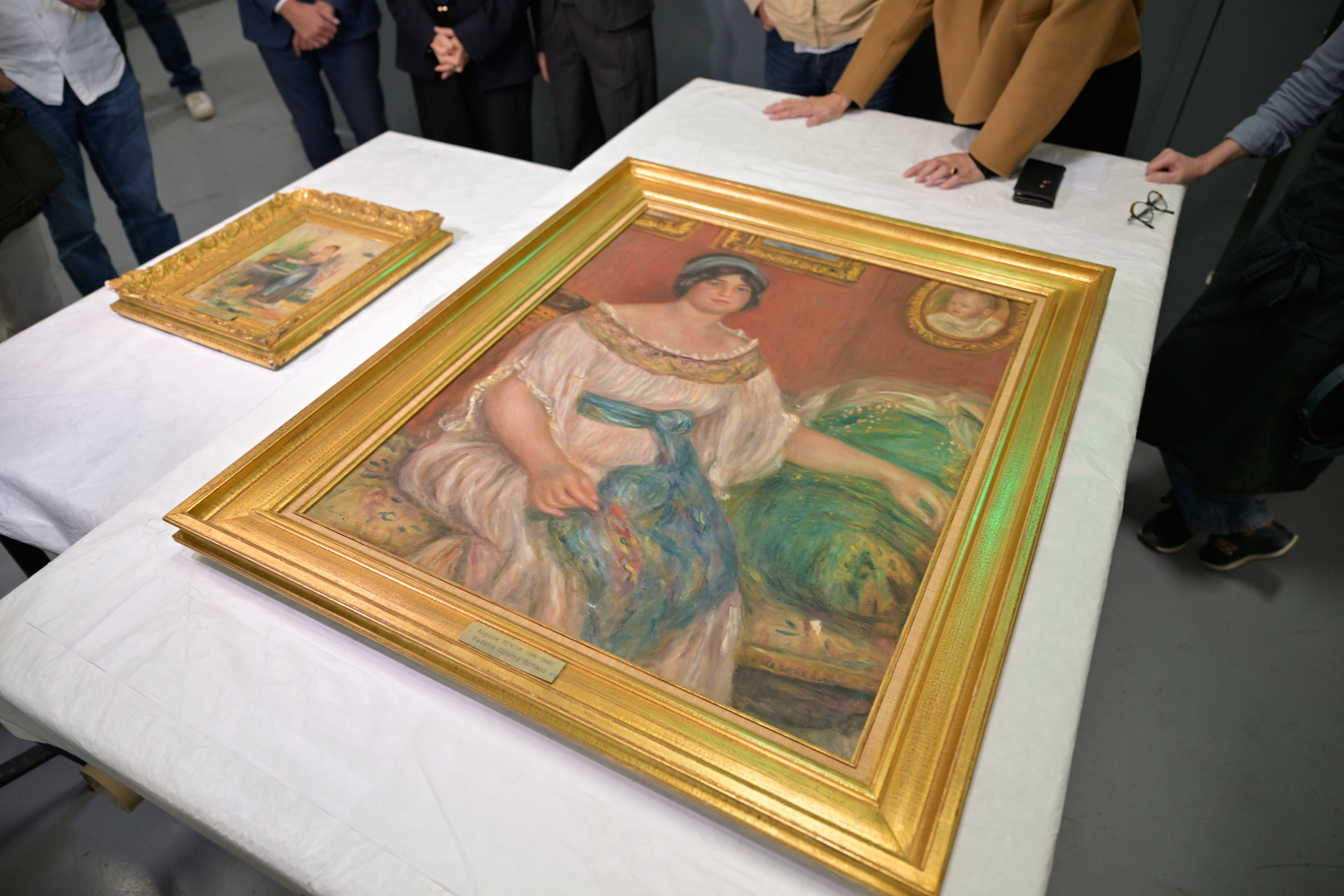
French investigators recovered two stolen Renoir paintings after DNA found on a protective cover helped link a suspect to the case, according to a French prosecutor cited by NPR World. The recovery also led authorities to believe they had uncovered signs of planning for another art theft.
The case involves works by the French impressionist Pierre-Auguste Renoir and reflects the use of forensic evidence in art-crime investigations. NPR’s reporting says investigators combined DNA evidence with vehicle-tracking information to follow leads in the probe. The prosecutor said the evidence helped authorities make the recovery and examine related suspicious activity.
The stolen paintings were found in France, though the source material does not provide the exact location or the timing of the theft itself. The article centers on the role of investigators and prosecutors in piecing together the case and preventing what they suspected could have been a further heist.
The development matters because high-value art thefts often involve organized planning and can be difficult to solve without technical evidence. In general, cases like this can draw on forensic testing, surveillance records and transport data to identify people connected to stolen artworks. That broader context is consistent with the evidence NPR cited, but the specific details reported here are limited to the recovery of the Renoirs and the prosecutor’s description of the investigation.
Loading debate for this article…
Other publishers covering this story
No additional verified coverage is currently clustered with this report.
Related reporting
 Parts of US clean up after Thanksgiving storm lashes East CoastAl Jazeera
 Bulgarians demand action by French after Marseille match violenceAl Jazeera
 Hunted beyond borders: Allegations of Tanzanian repression in KenyaAl Jazeera
 Taiwan votes in local elections to choose mayors, other leadersAl Jazeera
 Israel kills two MSF staff in targeted strike on Gaza clinicAl Jazeera
 Nigeria's 'ultimate hard man' who become an online memeBBC Africa