
Did Viking 1 find life on Mars 50 years ago? Here's why the debate continues - Space
What the report says
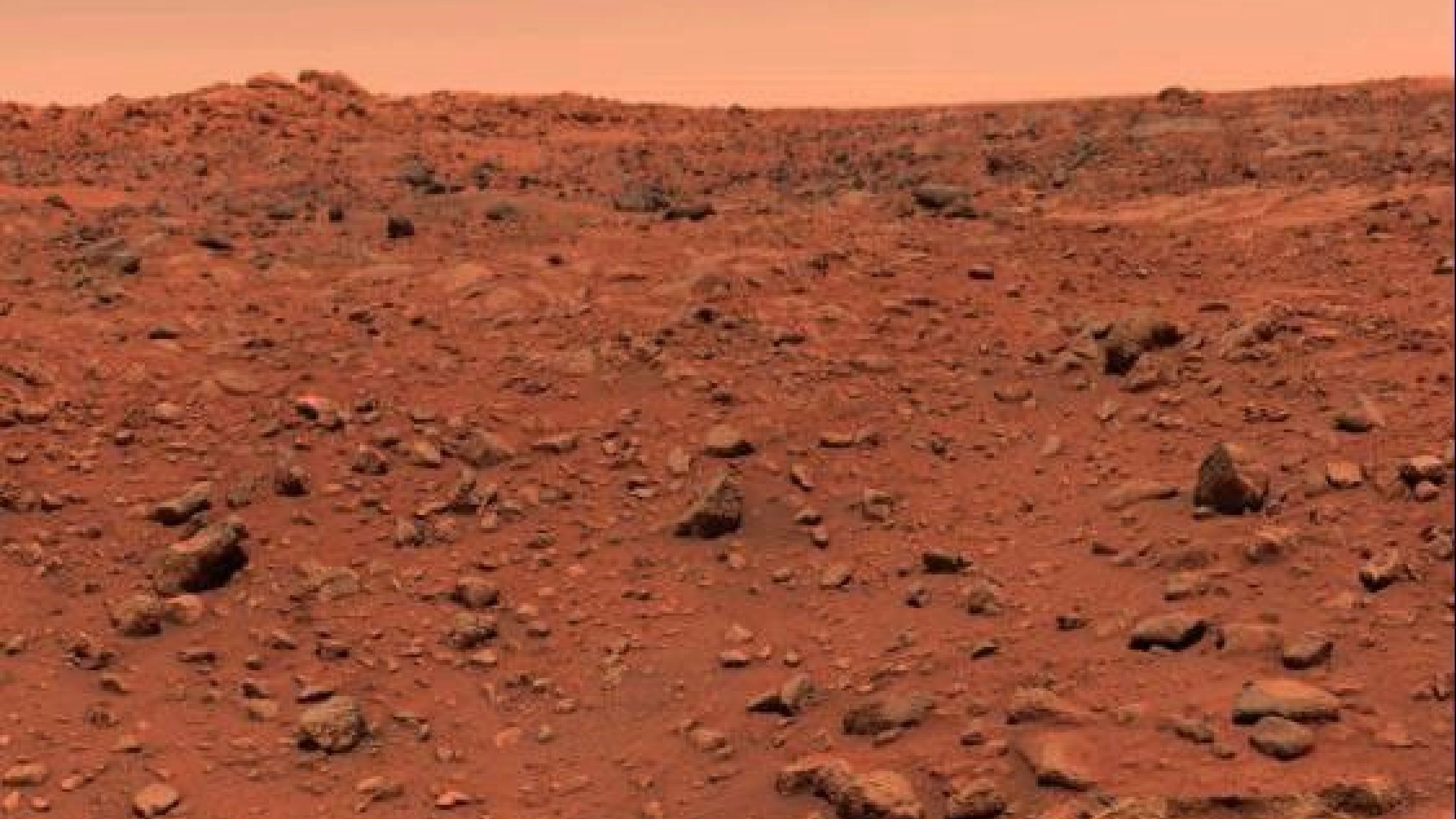
Space.com reported that NASA’s Viking missions remain at the center of a long-running astrobiology debate as Viking 1’s Mars landing reaches its 50-year milestone. Viking 1 landed in Chryse Planitia on July 20, 1976, followed by Viking 2 at Utopia Planitia on Sept. 3. The landers collected Martian soil and ran experiments designed to test whether the planet showed signs of biology.
According to the report, most scientists at the time interpreted the mission’s combined results as evidence against life in the sampled soil, especially because Viking’s gas chromatograph-mass spectrometer did not detect organic molecules. Ben Clark, a Viking science team member now at the Space Science Institute, told Space.com that two life-detection experiments were generally negative, while the Labeled Release experiment produced a strong initial response after nutrients were added. He noted that minerals could have caused similar effects and that a second nutrient addition did not produce another response.
The article also highlights continuing dissent. Gilbert Levin, who led the Labeled Release experiment, argued until his death in 2021 that Viking detected microorganisms. Steven Benner, director of the Foundation for Applied Molecular Evolution, told Space.com he believes Viking data were misunderstood and argued the mission more likely than not detected autotrophic microbial life at about 1,000 cells per gram.
Space.com framed the dispute as important because Mars remains the closest major test case for whether life arose beyond Earth. Rachel Tillman of the Viking Mars Missions Education and Preservation Project emphasized the need to preserve Viking engineering and science records, saying older mission data remain part of the broader Mars research puzzle.
Loading debate for this article…
Other publishers covering this story
No additional verified coverage is currently clustered with this report.
Related reporting
 Seven missing after multi-storey building collapses in Kenya's capitalBBC World News
 Brazil’s Lula and Bolsonaro debate policy proposals before run-offAl Jazeera
 Ethiopian PM’s advisor: Tigrayan forces and others hinder stabilityAl Jazeera
 Just Eat apologises after AI-generated images blunderAl Jazeera
 Ilhan Omar votes as Trump renews attacks amid federal probeAl Jazeera
 Why is Israel launching a new military operation in the occupied West Bank?Al Jazeera