
Death is very humbling

What the report says
In a viewpoint article published by The Observer, political theorist Yusuf Serunkuma reflects on death, ageing and public legacy following the recent burials of two Ugandan Muslim leaders: Gen. Moses Ali and Haji Jaberi Musoke Ssegujja, the LC I chairman of Maganjo B. The author says both men were 87, remained in office until their final days, and were buried according to Muslim practice without coffins.
Serunkuma frames the reflection through Thomas Hardy’s Tess of the D’Urbervilles, especially Hardy’s observation that bitter public disputes fade into silence while their importance diminishes over time. He also draws on Islamic teaching about mortality, old age and visits to the sick or cemeteries as reminders of human limits. In that context, he argues that titles, property and influence lose practical force at death, citing the contrast between Moses Ali’s national military and political stature and Musoke’s long local leadership.
The article widens into a moral critique of power, accumulation and violence. Serunkuma asks why people pursue wealth or authority through harm when death awaits all, and he links that question to public reactions to the death of Moses Karangwa, whom he describes as the former NRM chairperson for Kayunga District. He says celebrations of Karangwa’s death over alleged land-grabbing were painful to witness, particularly for surviving relatives.
The Observer piece is therefore less a conventional news report than a meditation on mortality, reputation and responsibility, using recent deaths of public figures to urge leaders and citizens to consider how their conduct will be remembered.
Loading debate for this article…
Other publishers covering this story
No additional verified coverage is currently clustered with this report.
Related reporting
 Four Teachers Arrested Over Drunkenness, Inflated Enrolment at Nabilatuk SchoolNile Post
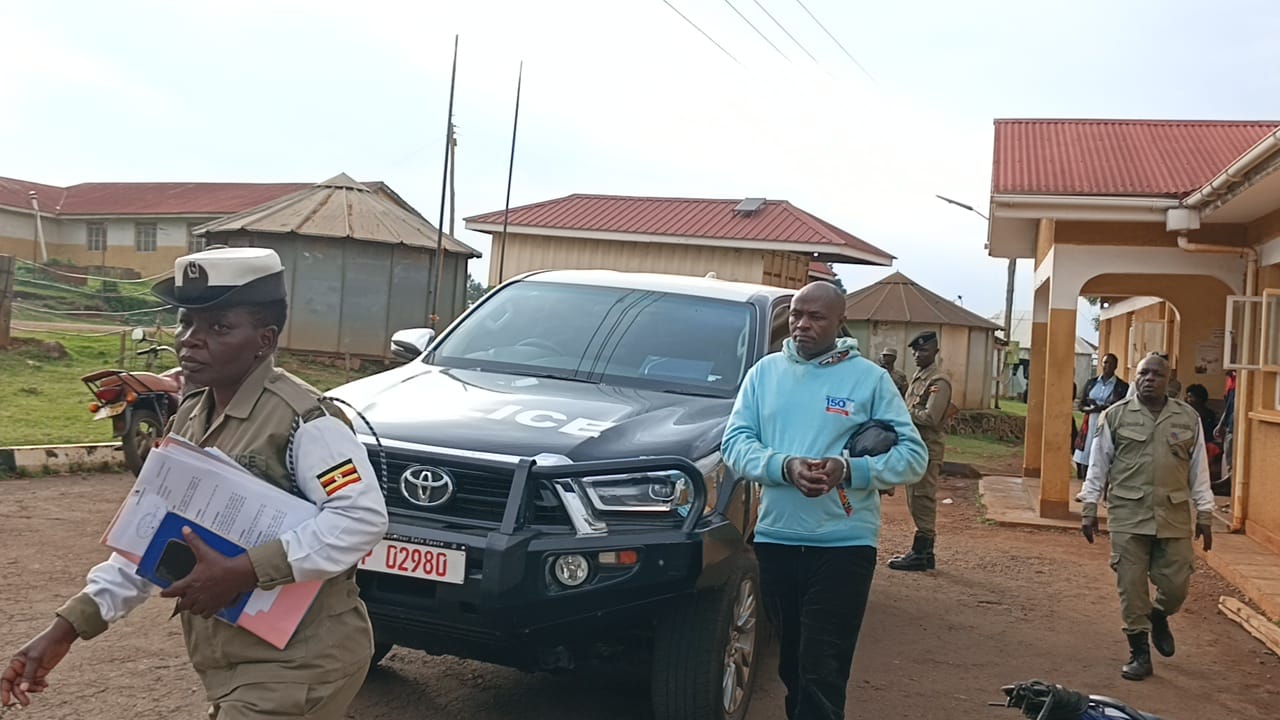 Liberty Motors Director Remanded Over King David Junior School Bus CrashNile Post
 Stampede at Kyebando polling station as rival candidates’ supporters clash over accessThe Observer
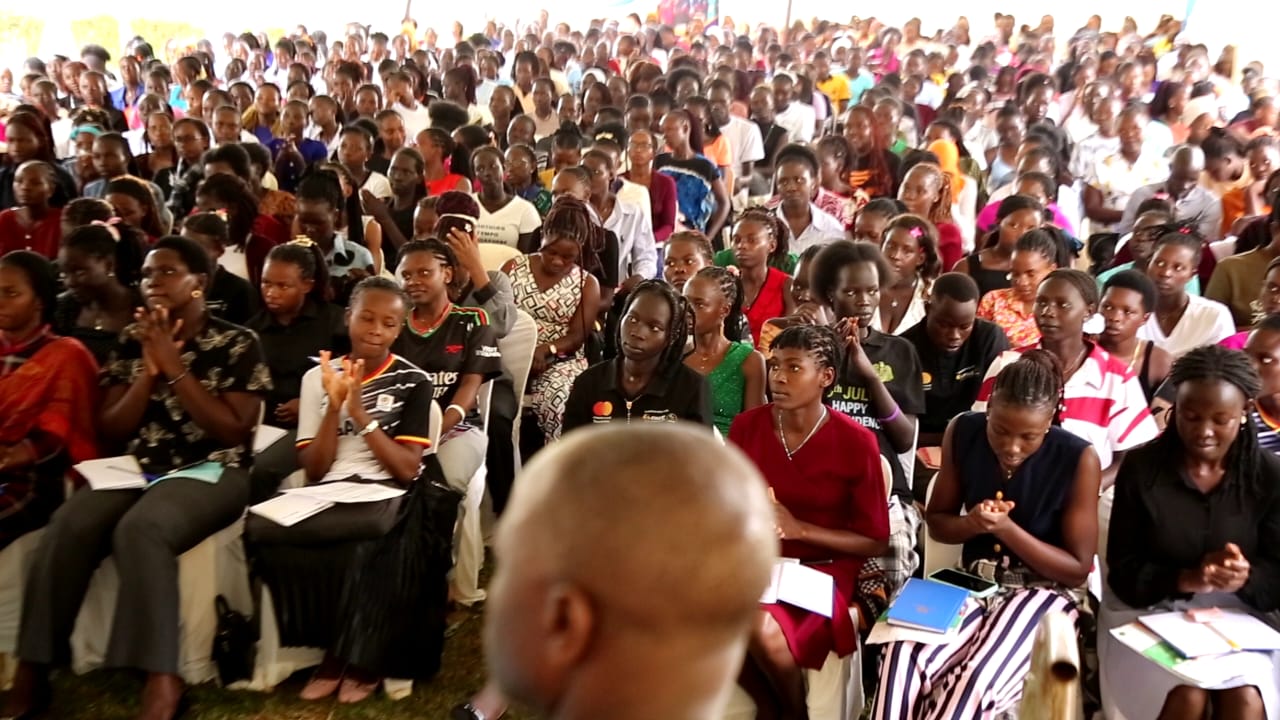 480 Ugandan Youths Get Second Chance to Join University Through FAWE Bridging ProgrammeNile Post
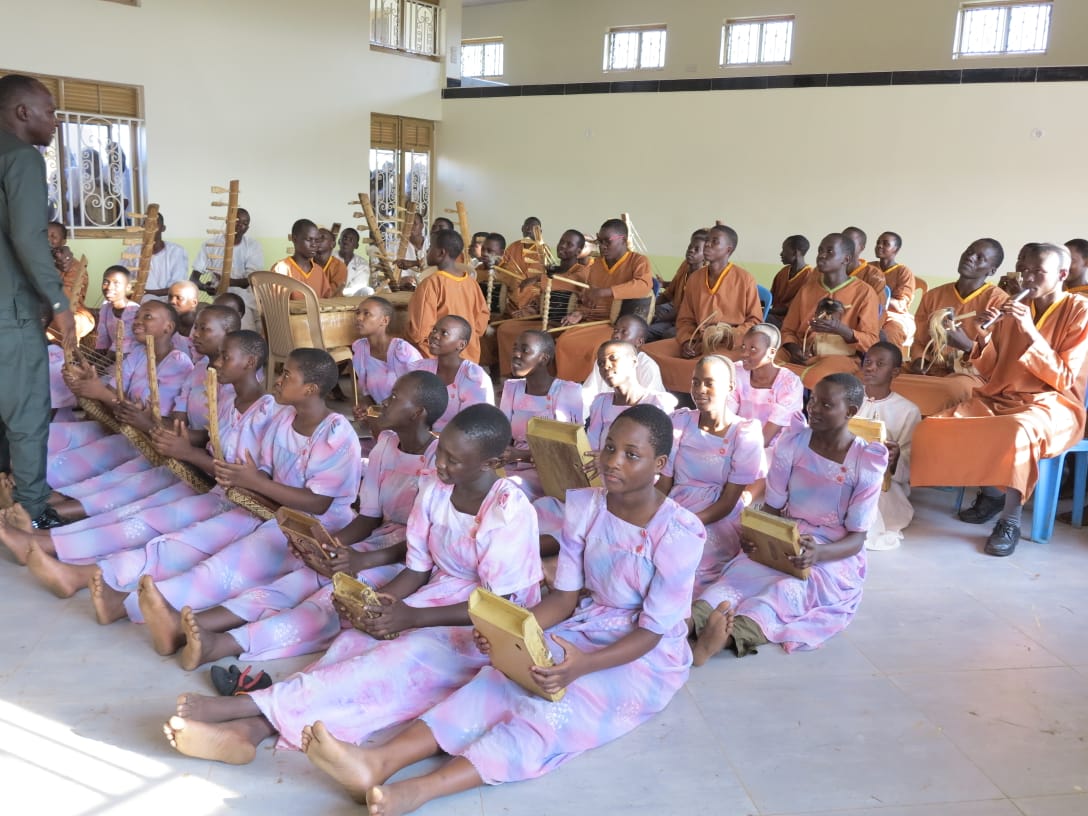 Parents Urged to Support Children’s Talents as Wakiso Schools Showcase Creative SkillsNile Post
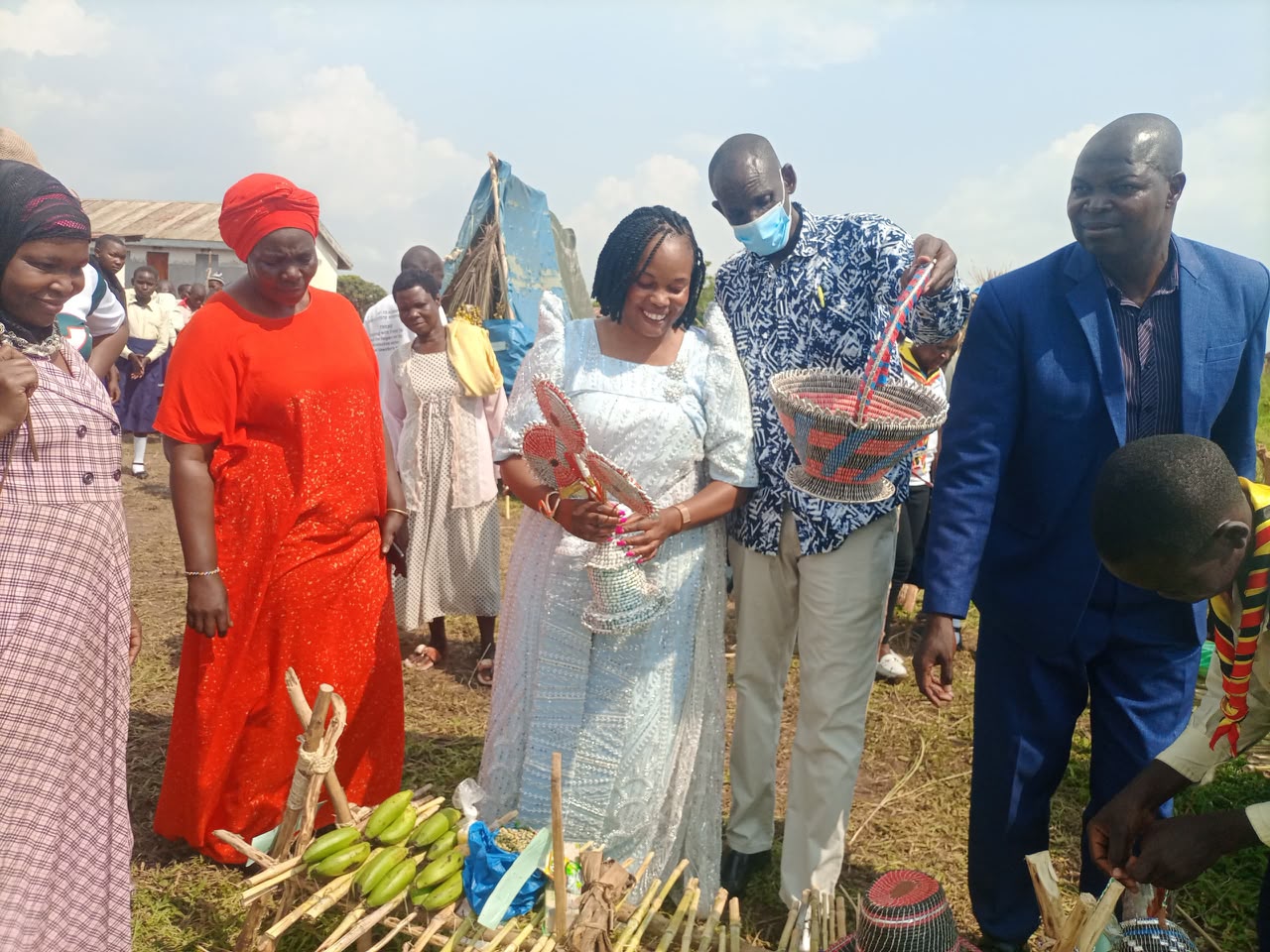 Hoima Schools Urged to Embrace Scouting, Girl Guides to Promote Patriotism Among LearnersNile Post