De-Aging Human Tissue Using Special Enzyme To Remove AGEs - Hackaday
What the report says
Hackaday reported on research from Narisa Trabosh and colleagues at San Francisco-based Revel Pharmaceuticals describing an engineered enzyme, CMLase, intended to break down a specific advanced glycation end-product, or AGE, known as N(6)-Carboxymethyllysine. The article links the work to a 2026 Nature Communications paper and frames it as a possible step toward clearing biochemical residues that accumulate in long-lived human tissues.
AGEs are waste-like molecular products associated in the article with diabetes, chronic kidney disease and age-related tissue changes. Hackaday notes that CML can build up in the extracellular matrix, where it may interfere with normal tissue mechanics and contribute to inflammatory signaling. The researchers focused on CML because it is one of the AGEs thought to affect collagen-rich tissues such as skin and arteries.
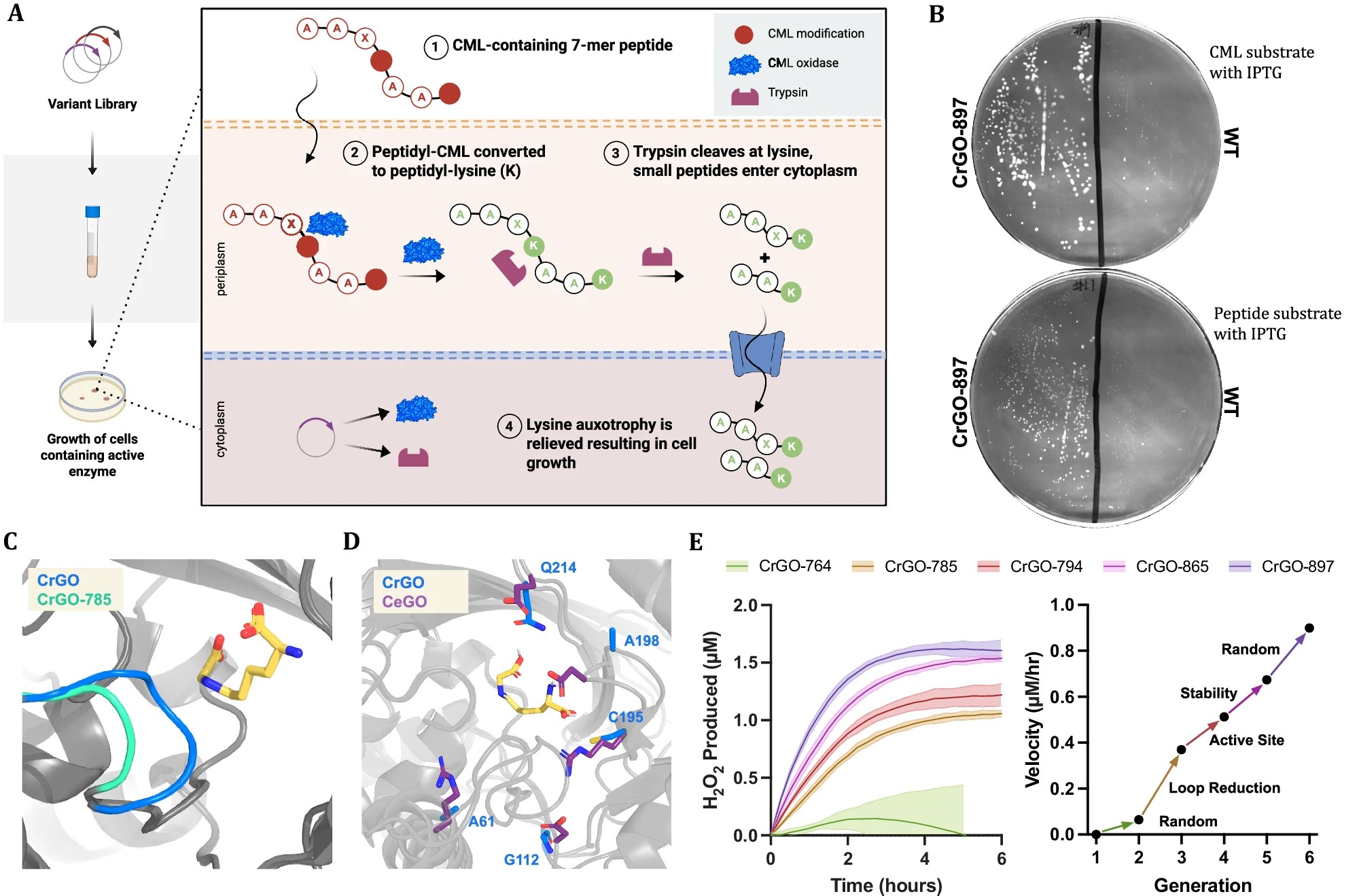
According to the report, the team developed CMLase using a genetic selection process in modified E. coli, then tested it first on model proteins and later on donated human tissue samples outside the body. Those samples included lens, skin and arterial tissue from elderly donors. Hackaday reported that CML levels fell by 55% in skin tissue and 75% in arterial tissue after enzyme treatment.
The findings remain early-stage. The article emphasizes that the experiments were ex vivo and do not show that the enzyme is safe or effective in living patients. Any clinical path would first require human safety testing, followed by studies to determine whether removing CML actually improves tissue health. If that can be shown, the approach could point toward enzymes targeting other harmful AGE compounds.
Loading debate for this article…
Other publishers covering this story
No additional verified coverage is currently clustered with this report.
Related reporting
 NMS Pledges to Address Medicine Shortages, Delivery Delays in WakisoNile Post
 Charcoal Grill serves up healthier dining - Daily MonitorDaily Monitor
 9/11 study sheds light on why some people are less likely to develop PTSD - The Washington PostThe Washington Post
 As diseases loom, CDC's response to measles deaths stirs fears about agency's reliability - NPRNPR