Cyclosporiasis sickens some people worse – why your diarrhea could be more explosive than others - The Conversation
What the report says
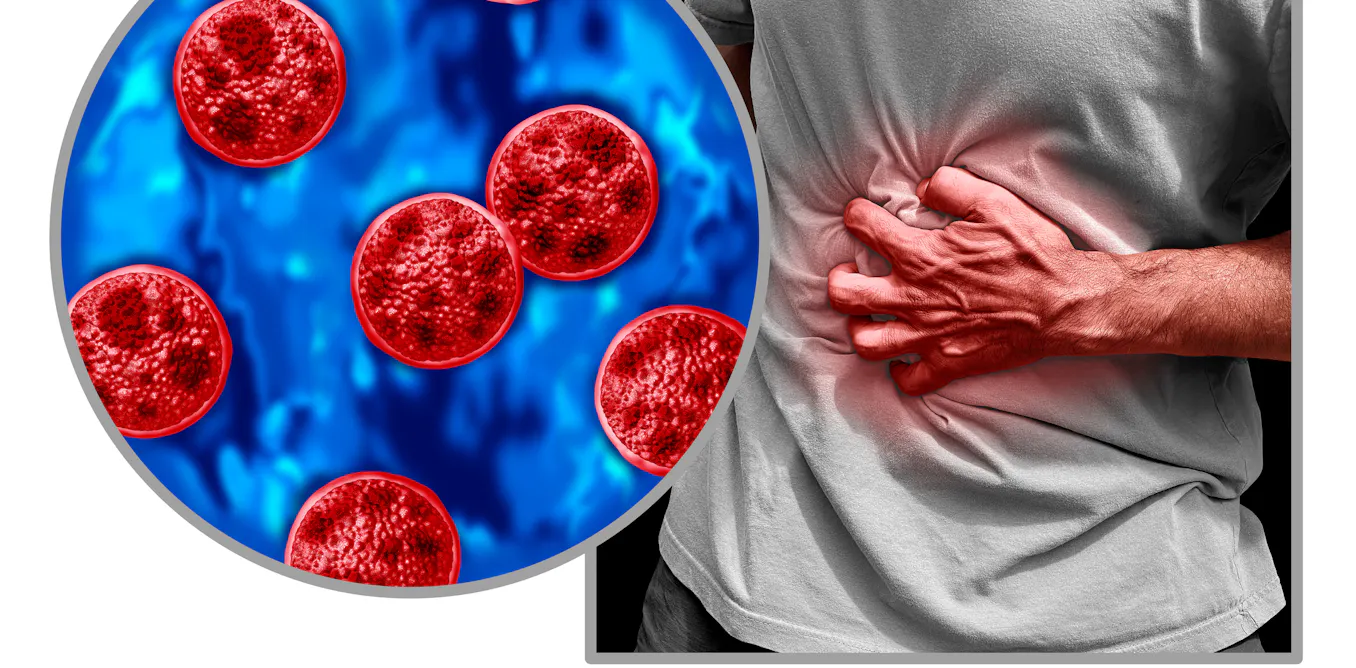
The Conversation Africa reports that a 2026 U.S. outbreak of cyclosporiasis, a diarrheal illness caused by the parasite Cyclospora cayetanensis, had sickened more than 4,100 people by July. According to the article, public health officials linked a major group of cases to contaminated produce imported from Mexico. The illness is drawing attention because it can cause intense gastrointestinal symptoms, including sudden severe diarrhea, and because some patients experience much longer or more serious disease than others.
The article explains that Cyclospora is typically acquired through contaminated food or water. After ingestion, the parasite releases spores in the gut that enter cells lining the small intestine. The authors, writing as immunologists, say many symptoms are driven less by toxins and more by the body’s immune response as it tries to control the parasite inside intestinal cells. Helper T cells and a signaling molecule called interferon-gamma are described as important in limiting parasite growth, while lingering inflammation may keep symptoms going after the parasite is being cleared.
Groups at higher risk of severe or prolonged cyclosporiasis include young children, older adults and people with weakened immune systems. The Conversation Africa notes that symptoms can include diarrhea, appetite loss, gas, cramps, nausea, fatigue, aches and fever, often beginning about a week after exposure. In vulnerable patients, the infection may last longer, relapse more often or raise the risk of dehydration and other complications.
The article says there is no vaccine for cyclosporiasis. Diagnosis is made through stool testing, and recommended treatment is an antibiotic course usually lasting seven to 10 days. The broader public health relevance is that contaminated produce can spread parasitic illness widely, while early diagnosis and treatment are especially important for people whose immune defenses are less able to clear infection.
Loading debate for this article…
Other publishers covering this story
No additional verified coverage is currently clustered with this report.
Related reporting
 Soroti hospital needs over 900 workers - Daily MonitorDaily Monitor
Doctor becomes road safety advocate after losing patient - Daily MonitorDaily Monitor
Ugandan foundation supports 220 children across education, food and health programmes - PML DailyPML Daily
Fusion of Culture: HTTC crowns Uganda’s finest young hospitality champions - PML DailyPML Daily
Fusion of Culture: HTTC crowns Uganda’s finest young hospitality champions - PML DailyPML Daily
Soroti hospital needs over 900 workers - Daily MonitorDaily Monitor
Doctor becomes road safety advocate after losing patient - Daily MonitorDaily Monitor
Ugandan foundation supports 220 children across education, food and health programmes - PML DailyPML Daily
Fusion of Culture: HTTC crowns Uganda’s finest young hospitality champions - PML DailyPML Daily
Fusion of Culture: HTTC crowns Uganda’s finest young hospitality champions - PML DailyPML Daily
 HTTC Crowns Uganda’s Finest Young Hospitality TalentNile Post