CRISPR–Cas regulates expression of embedded anti-phage defence systems - Nature
What the report says
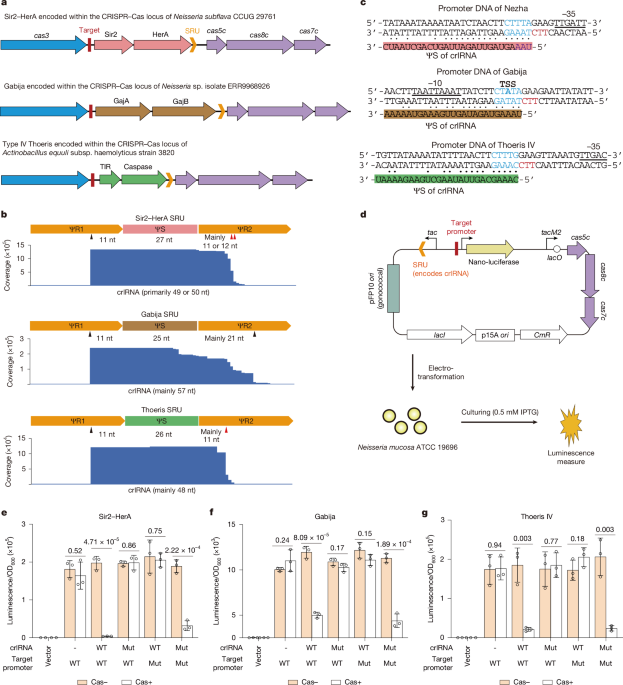
Nature reported a study describing a bacterial immune-regulation mechanism the authors call CRISIS, short for CRISPR-supervised immune system. According to the article preview, the work finds that some type I CRISPR–Cas loci do more than directly defend against bacteriophages: they also contain and regulate other anti-phage defence modules embedded nearby in the genome.
The study says small CRISPR RNA-like molecules guide a type I-C Cascade complex to promoter regions for multiple immune cassettes, including clusters that combine more than one defence system. This control appears to keep those systems active at a baseline level while avoiding the fitness costs of excessive activation, such as impaired bacterial growth or rejection of potentially useful plasmids.
Nature’s preview also reports that when CRISPR–Cas function is disrupted, either by mutation or by anti-CRISPR proteins, transcription of the embedded defence systems rises sharply. The result is stronger innate protection against phage infection, but with a trade-off for the host cell. Figures listed in the preview refer to known and newly identified CRISIS systems, including experiments involving Sir2–HerA and Wukong defence components.
The finding matters because it suggests bacterial immunity is organized as a layered network rather than a set of independent defences. As background, CRISPR–Cas systems are widely known as adaptive immune mechanisms in bacteria and archaea, while bacteriophages are viruses that infect bacteria. Nature says the paper’s relevant data are included with the article or supplementary files, with RNA-seq data deposited at NCBI under BioProject PRJNA1159167.
Loading debate for this article…
Other publishers covering this story
No additional verified coverage is currently clustered with this report.
Related reporting
 Medicine shortages undermining village health teamsThe Observer
 Depression: Walking Through the Three Corners of Life Toward HealingNile Post
 Ebola: Uganda Reinstates Traveller Locator FormsNile Post
 Uganda remains Ebola-free as Health ministry probes Nigerian traveller infected with virus - Daily MonitorDaily Monitor
 Atwine Warns Border Officers Over Ebola Screening Lapses at MpondweNile Post
 Rising patient numbers strain Bulucheke Health Centre IVThe Independent Uganda