Could light make cancer treatment safer? UNC researchers think so - WRAL
What the report says
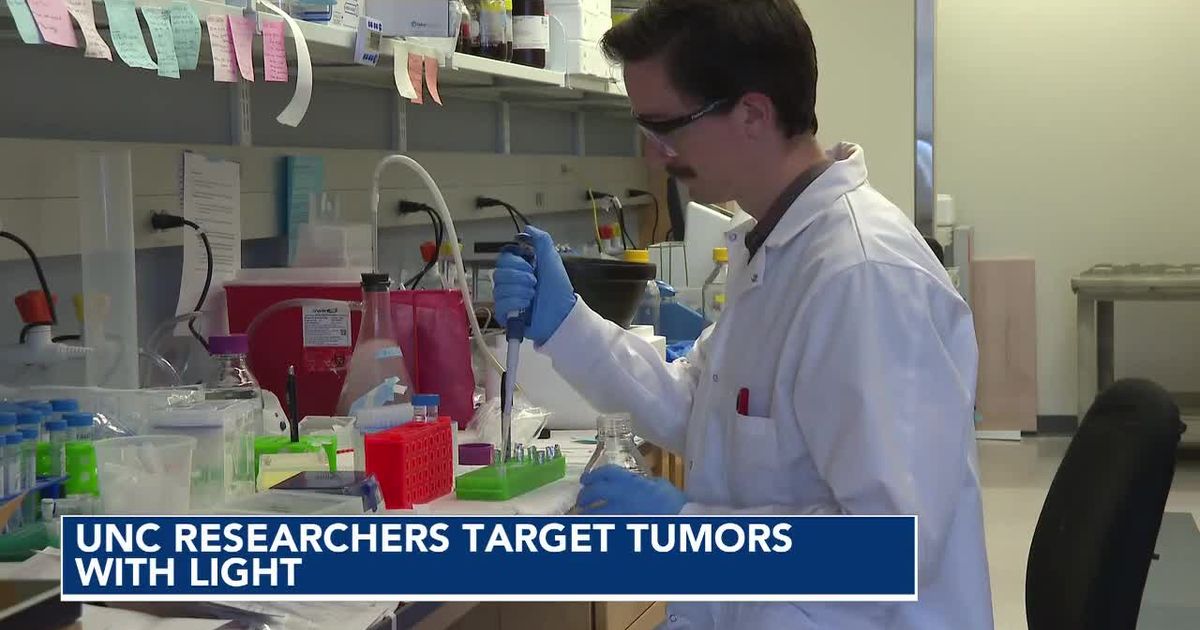
WRAL reports that researchers at the University of North Carolina at Chapel Hill are developing a light-triggered drug delivery system intended to make cancer treatment more targeted. The work, led by Brianna Vickerman, a research assistant professor in the UNC Eshelman School of Pharmacy’s Eshelman Innovation program in chemical biology and medicinal chemistry, focuses on releasing medication at tumor sites rather than throughout the body.
According to WRAL, the team is studying the approach in head and neck cancers, where treatment can be effective but may also cause long-term complications such as nerve damage, hearing loss and other quality-of-life issues. The concept is not to invent a new cancer drug, but to package already potent medications inside carriers that remain inactive as they circulate. When light is directed at the diseased area, the carrier is designed to break apart and release the drug locally.
The research builds on earlier light-controlled drug delivery work involving cardiovascular disease and clot-dissolving medications, WRAL reported. Vickerman described the aim as reducing the tradeoff patients and doctors often face between attacking cancer and limiting lasting harm from treatment.
WRAL said the project recently received a two-year commercialization-focused innovation grant, which will support additional testing in cancer models and help move the technology toward possible clinical development. The work remains in the research stage, so its safety and effectiveness in patients have not been established, but the broader goal is a treatment platform that could make powerful drugs safer by limiting exposure to healthy tissue.
Loading debate for this article…
Other publishers covering this story
No additional verified coverage is currently clustered with this report.
Related reporting
 NMS Pledges to Address Medicine Shortages, Delivery Delays in WakisoNile Post
 Charcoal Grill serves up healthier dining - Daily MonitorDaily Monitor
 How warnings can help persuade kids to curb their social media use - cnn.comCNN
 An early sign of dementia may be hiding in your voice, new research suggests - The Washington PostThe Washington Post
 Alcohol-linked cancer deaths have doubled in recent decades. What to know about risk. - The Washington PostThe Washington Post