Confronting gang members at the heart of Ecuador's drug battle
What the report says
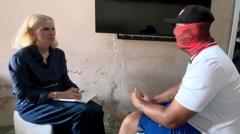
BBC World News reported that correspondent Orla Guerin went on patrol with police in Ecuador as security forces confront a sharp rise in drug-related crime and gang violence. The report includes Guerin speaking with a gang leader about violence, narcotics trafficking and claims of penetration of police ranks, according to the BBC’s description of the video.
The BBC said Ecuador has become a key transit point for cocaine moving from neighbouring Colombia and Peru, identified in the report as the world’s two largest producers. It reported that domestic gangs have grown more powerful by helping move cocaine onward, and that some of these groups have ties to Mexican cartels and Albanian mafia networks.
The scale of the crisis is reflected in official figures cited by the BBC: Ecuador recorded more than 9,200 killings last year, according to the country’s interior ministry, giving it one of the world’s highest murder rates. The report was published in the BBC’s Latin America coverage and focuses on police efforts amid the country’s widening drug battle.
The article text available is brief and appears to accompany a video report rather than a full written investigation. Broader context is that Ecuador’s Pacific ports and location between major coca-producing countries have made it vulnerable to trafficking networks, while the growth of armed gangs has put pressure on the state, prisons and local communities. The BBC’s report matters because it highlights how international drug routes are reshaping public security in a country once seen as comparatively stable in the region.
Loading debate for this article…
Other publishers covering this story
No additional verified coverage is currently clustered with this report.
Related reporting
 South Africa: On the Brink of Hunger - 'I Sell Sex and Chicken Feet to Feed My Children'AllAfrica
 Africa: International Criminal Justice Needs More Than Solidarity to SurviveAllAfrica
Sudan: UN Warns Conflict, Displacement and Cholera Are Deepening Sudan's Humanitarian CrisisAllAfrica
Sudan: El Burhan Visits Newly Captured North Kordofan TownsAllAfrica
Kenya: Nairobi's Largest Informal Settlement Is Getting an Upgrade. but Who Will Actually Benefit From New Apartments?AllAfrica
West Africa: Senegal's Diomaye Faye On a Visit to Mali, His First As Ecowas' PresidentAllAfrica
Africa: International Criminal Justice Needs More Than Solidarity to SurviveAllAfrica
Sudan: UN Warns Conflict, Displacement and Cholera Are Deepening Sudan's Humanitarian CrisisAllAfrica
Sudan: El Burhan Visits Newly Captured North Kordofan TownsAllAfrica
Kenya: Nairobi's Largest Informal Settlement Is Getting an Upgrade. but Who Will Actually Benefit From New Apartments?AllAfrica
West Africa: Senegal's Diomaye Faye On a Visit to Mali, His First As Ecowas' PresidentAllAfrica