
Conditions on US aircraft carrier at sea for more than 250 days raise alarms
What the report says
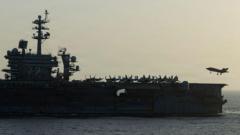
A BBC World News report says concerns are growing over conditions aboard the USS Abraham Lincoln, a US aircraft carrier that has remained at sea for more than 250 days after leaving San Diego in November and later deploying to the Middle East. The vessel’s extended mission has drawn attention because there is still no announced return date.
According to the BBC, reports circulating around the ship describe shortages of food and basic supplies, broken plumbing, possible water contamination and other safety problems. The article also says there have been claims of deteriorating mental health and suicide attempts among personnel aboard the carrier. These accounts have prompted scrutiny of the military’s handling of the deployment.
The BBC reports that Connecticut Senator Richard Blumenthal, a Democrat, is pressing the US military for answers and said there were widespread problems affecting daily life on the ship, including disruptions to mail and care packages. Defence Secretary Pete Hegseth rejected the reports, saying they were “completely misrepresented.”
The dispute comes amid broader pressure on the Trump administration over the Iran conflict, since the carrier was sent to the region ahead of attacks on Iran in February. More generally, long deployments at sea can strain crews and ship systems, but the BBC’s account focuses on this vessel and the concerns raised about it.
Loading debate for this article…
Other publishers covering this story
Related reporting
 Ethiopia accuses Eritrea, Sudan of backing Tigray rebels amid clashesFrance24 Africa
 Pope pledges action on clergy child abuse in meeting with French survivorsAl Jazeera
 Man City’s 115 Charges — The Scandal, The Escape, and Pep’s Own PastAl Jazeera
 Why some Indian civil servants become heroes for doing their jobsBBC World News
 Trump Offered to Sell Arms to China, U.S. Ambassador SaysNew York Times World
 Powerful storm floods US Northeast, causes power outagesAl Jazeera