College lab class ends with 32 people on antibiotics for deadly germ exposure - Ars Technica
What the report says
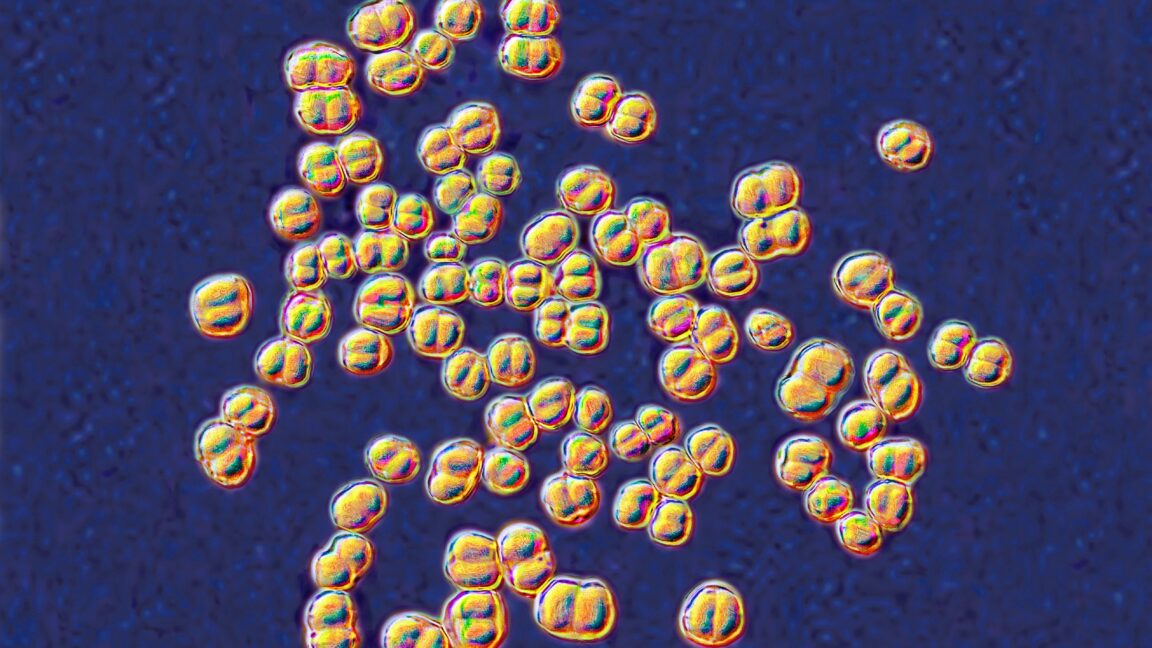
Ars Technica reports that a college microbiology lab exercise led 33 students, instructors and lab staff to believe they had been exposed to Neisseria meningitidis, a dangerous bacterium that can cause meningitis and bloodstream infections. The account is based on a recent Morbidity and Mortality Weekly Report. The class had been assigned to identify an unknown organism that was intended to be Plesiomonas shigelloides, a generally less alarming environmental bacterium that can sometimes cause diarrhea.
Instead, every student’s tests pointed to N. meningitidis. Ars reports that instructors reviewed the findings and found them consistent with that identification, while the class had used only gloves and lab coats rather than the higher-level precautions required for laboratory work with the pathogen. University officials also found a freezer containing the intended teaching sample and a vial labeled N. meningitidis, prompting an exposure response.
State public health officials helped assess risk, test samples and guide recommendations. Of the 33 people considered exposed, 32 began a 10-day precautionary antibiotic course, and two people who developed headaches received spinal taps to rule out infection. Later testing by the state public health laboratory, using mass spectrometry and whole-genome sequencing, identified the organism as Neisseria sicca, a nonpathogenic relative. Officials found it had unusual biochemical test behavior that made it resemble N. meningitidis in the classroom workflow.
No dangerous exposure ultimately occurred, but the incident mattered because it triggered unnecessary medical interventions and revealed biosafety weaknesses. Investigators cited problems with inventory control, labeling, storage segregation, supervision, protective equipment and documentation. Ars reports that the findings led the university to revise its procedures and protocols.
Loading debate for this article…
Other publishers covering this story
No additional verified coverage is currently clustered with this report.
Related reporting
 Blend your way through smoothies to better health - Daily MonitorDaily Monitor
 NMS Pledges to Address Medicine Shortages, Delivery Delays in WakisoNile Post
Charcoal Grill serves up healthier dining - Daily MonitorDaily Monitor
NMS Pledges to Address Medicine Shortages, Delivery Delays in WakisoNile Post
Charcoal Grill serves up healthier dining - Daily MonitorDaily Monitor
 Tick bite, rare bacteria found in dogs at center of Chatham County medical mystery - WRALWRAL.com
 Mum died from aggressive cancer after nine-month wait for test results - au.news.yahoo.comBBC News
 Stakeholders want lower level health facilities to be upgradedNtv.co.ug