CDC Renews Ebola Travel Restrictions Through Mid-August as DRC Bundibugyo Cases Rise to 2,344 with No Vaccine Available
What the report says
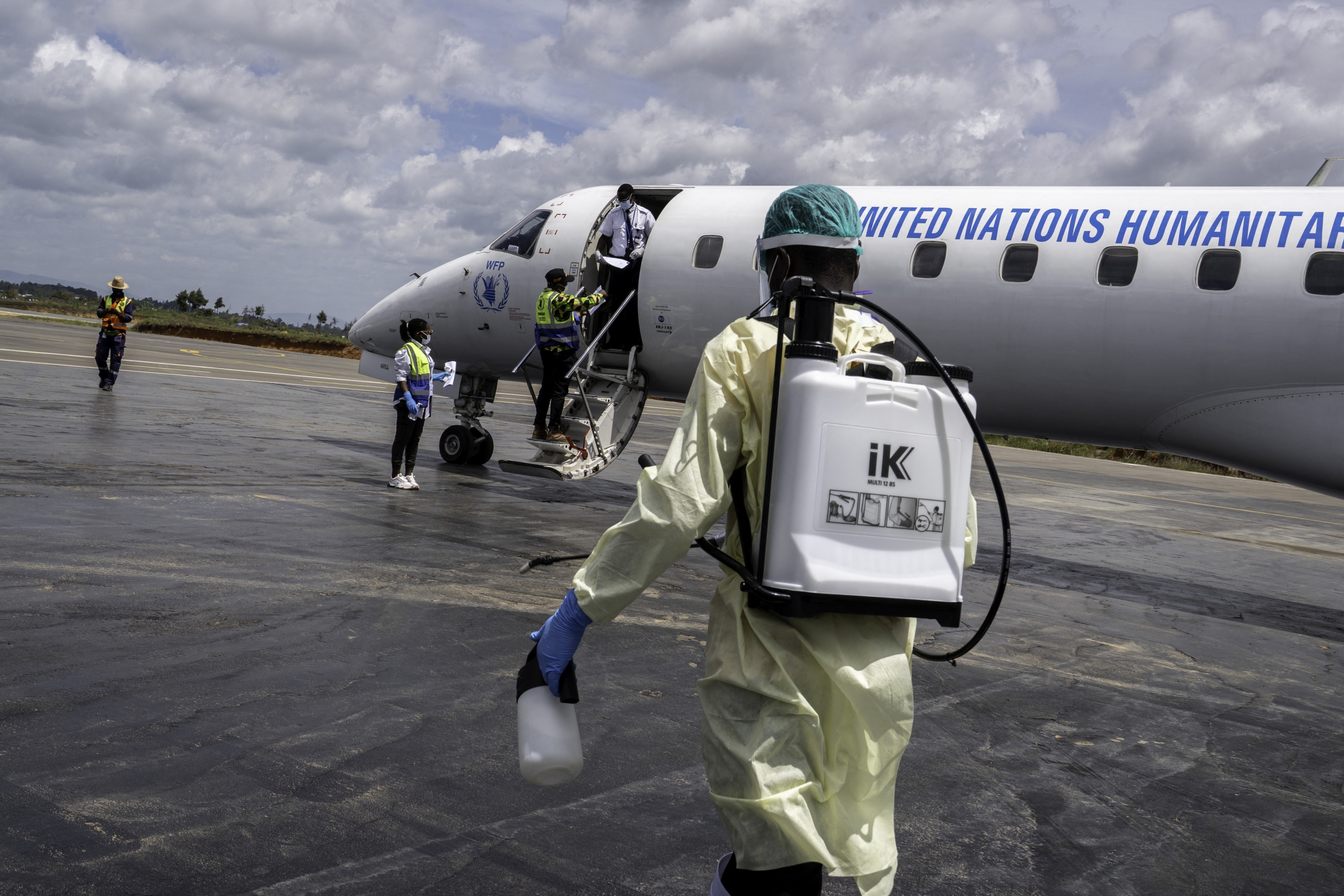
Medical Daily reported that the U.S. Centers for Disease Control and Prevention renewed Ebola-related entry restrictions on July 13, 2026, for a third consecutive 30-day period, extending screening and border measures for certain travelers linked to the Democratic Republic of the Congo, Uganda and South Sudan until about Aug. 12. The article said the action comes as the DRC outbreak of Bundibugyo virus disease has continued to expand.
Citing figures reported as of July 18, Medical Daily said the DRC had 2,344 laboratory-confirmed cases and 930 deaths across five provinces: Ituri, North Kivu, South Kivu, Haut-Uele and Tshopo. Ituri was described as the center of the outbreak, with most confirmed cases. The article also reported cases in Uganda, including travel-linked infections and local transmission, one imported case in France, and a U.S. citizen infected while working for a humanitarian organization in the DRC and evacuated to Germany. It said no cases from this outbreak had been confirmed inside the United States.
The report emphasized that there is no approved vaccine for Bundibugyo virus disease. Existing licensed Ebola vaccines target the Zaire strain, and Medical Daily said the World Health Organization has found evidence insufficient to recommend them for this outbreak. That leaves response teams relying on isolation, contact tracing, supportive care and infection-control measures, in areas also affected by conflict, displacement and limited laboratory capacity.
For travelers, the article said CDC guidance includes symptom monitoring for 21 days after leaving affected areas and calling ahead before seeking care if fever, severe headache, muscle pain, vomiting, diarrhea or unexplained bleeding develops. Medical Daily reported that U.S. officials still assess the risk of spread within the United States as low, because Ebola requires direct contact with bodily fluids from a symptomatic infected person.
Loading debate for this article…
Other publishers covering this story
No additional verified coverage is currently clustered with this report.
Related reporting
 Mityana RDC Urges Wetland Users to Follow Environmental GuidelinesNile Post
 UWA Exceeds Wildlife Patrol Targets as Conservation Efforts ExpandNile Post
 Gulu Archdiocese's Blessed Sacrament goes missing - Daily MonitorDaily Monitor
 Bishop Odoki Marks 20 Years of Episcopal ServiceNile Post
Gabriel shines at both ends as Arsenal ease past Everton to go level with Man City - Daily MonitorDaily Monitor
Bishop Odoki Marks 20 Years of Episcopal ServiceNile Post
Gabriel shines at both ends as Arsenal ease past Everton to go level with Man City - Daily MonitorDaily Monitor
 Passenger arrested with 1,000 marijuana rolls aboard Arua busThe Observer