Can you safely drink five cups of coffee a day? The American Heart Association weighs in - San Francisco Chronicle

What the report says
The San Francisco Chronicle reports that a new American Heart Association scientific statement says many adults can drink more coffee than commonly assumed without increasing cardiovascular risk. The analysis, released this week and published Monday in Circulation, is the association’s first scientific statement focused on caffeine consumption and heart health. It reviewed recent evidence, much of it centered on caffeinated coffee, the most common caffeine source studied.
According to the Chronicle, the statement found that up to five 8-ounce cups of regular coffee a day, without added sugars, sweeteners or fillers, is considered safe for most adults. It also linked two to four cups daily with lower risks of heart disease, heart failure and stroke, while noting that drinking more than four cups may increase heart failure risk. The review also discussed evidence connecting coffee with lower risk of Type 2 diabetes and some irregular heart rhythms, but said one to three cups may be associated with premature ventricular contractions, a type of early heartbeat from the heart’s lower chamber.
Dr. Greg Marcus, a UCSF cardiologist who chaired the writing group, told the Chronicle that newer randomized studies have helped refine older broad advice to avoid caffeine for arrhythmias or high blood pressure. The statement says blood-pressure effects remain complex, and it cautions that unfiltered coffees such as French press, Turkish or Greek coffee and Scandinavian boiled coffee contain cafestol, which can raise LDL cholesterol.
The review also distinguishes coffee from synthetic caffeinated products such as energy drinks and shots, which have been studied less and may carry more risk. Marcus emphasized that caffeine tolerance and metabolism vary by genetics, age and consumption history, so the findings should not be treated as one-size-fits-all medical advice.
Loading debate for this article…
Other publishers covering this story
No additional verified coverage is currently clustered with this report.
Related reporting
 Atwine Warns Border Officers Over Ebola Screening Lapses at MpondweNile Post
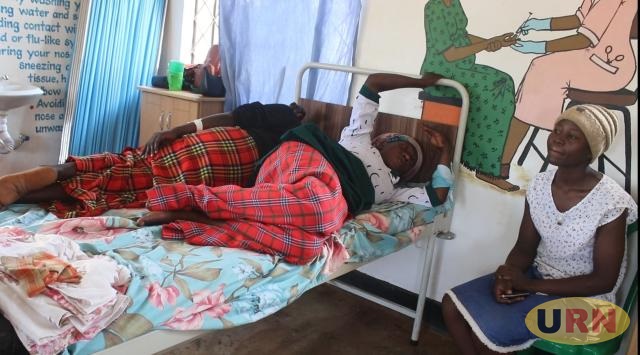 Rising patient numbers strain Bulucheke Health Centre IVThe Independent Uganda
 Health officials race to trace source of Nigeria's Ebola infection - Daily MonitorDaily Monitor
 Uganda Martyrs Hospital Unveiled in Honour of Late Bishop WamikaNile Post
U.S. to Reduce Health Aid to Kenya as Nairobi Takes Over HIV, Malaria Funding - ChimpReportsChimpReports
Mubende hospital restricts number of caregivers to tackle overcrowding - Daily MonitorDaily Monitor
Uganda Martyrs Hospital Unveiled in Honour of Late Bishop WamikaNile Post
U.S. to Reduce Health Aid to Kenya as Nairobi Takes Over HIV, Malaria Funding - ChimpReportsChimpReports
Mubende hospital restricts number of caregivers to tackle overcrowding - Daily MonitorDaily Monitor