C-reactive protein: Should healthy people be tested for it? - Harvard Health
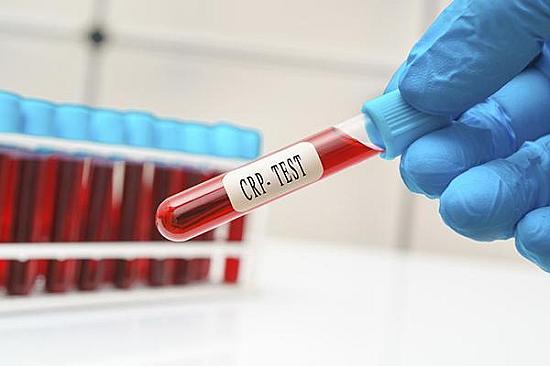
What the report says
Harvard Health Publishing reported on July 20, 2026, that a high-sensitivity C-reactive protein blood test, known as hsCRP, is drawing renewed attention as a possible tool for identifying cardiovascular risk in people who otherwise appear healthy. The article, written by Maureen Salamon and reviewed by Dr. Paul M. Ridker of Brigham and Women’s Hospital, distinguishes hsCRP from a standard CRP test used to detect or monitor major inflammatory conditions.
According to the report, traditional risk factors such as high cholesterol, high blood pressure, smoking, diabetes and obesity account for only part of heart attack risk. Harvard Health cites growing evidence that chronic low-grade inflammation can contribute to blood-vessel damage, plaque buildup and plaque rupture, which are involved in heart attacks and strokes. Ridker, who co-authored a 2025 American College of Cardiology scientific statement, said the ACC supports more routine hsCRP measurement to help find people who may benefit from earlier prevention.
The article says elevated hsCRP can signal cardiovascular inflammation that people cannot feel, similar to undetected high cholesterol. It also notes that testing may help clinicians decide whether preventive steps, including statin therapy, are appropriate. Harvard Health reported that in clinical trials, people treated with statins because of elevated hsCRP had lower rates of major cardiovascular outcomes.
For context, the article emphasizes that hsCRP testing is not a stand-alone diagnosis or a substitute for medical advice. It says inflammation and heart risk can often be reduced through established measures such as regular moderate-to-vigorous exercise, maintaining a healthy weight, avoiding smoking, limiting ultra-processed foods and sugary drinks, and eating more plant-forward foods, fish, nuts and olive oil.
Loading debate for this article…
Other publishers covering this story
No additional verified coverage is currently clustered with this report.
Related reporting
 Medicine shortages undermining village health teamsThe Observer
 Depression: Walking Through the Three Corners of Life Toward HealingNile Post
 Ebola: Uganda Reinstates Traveller Locator FormsNile Post
 Uganda remains Ebola-free as Health ministry probes Nigerian traveller infected with virus - Daily MonitorDaily Monitor
 Atwine Warns Border Officers Over Ebola Screening Lapses at MpondweNile Post
 Rising patient numbers strain Bulucheke Health Centre IVThe Independent Uganda