British vial of smallpox scabs triggered the devastating 1789 outbreak among Indigenous Australians, study finds - Live Science
What the report says
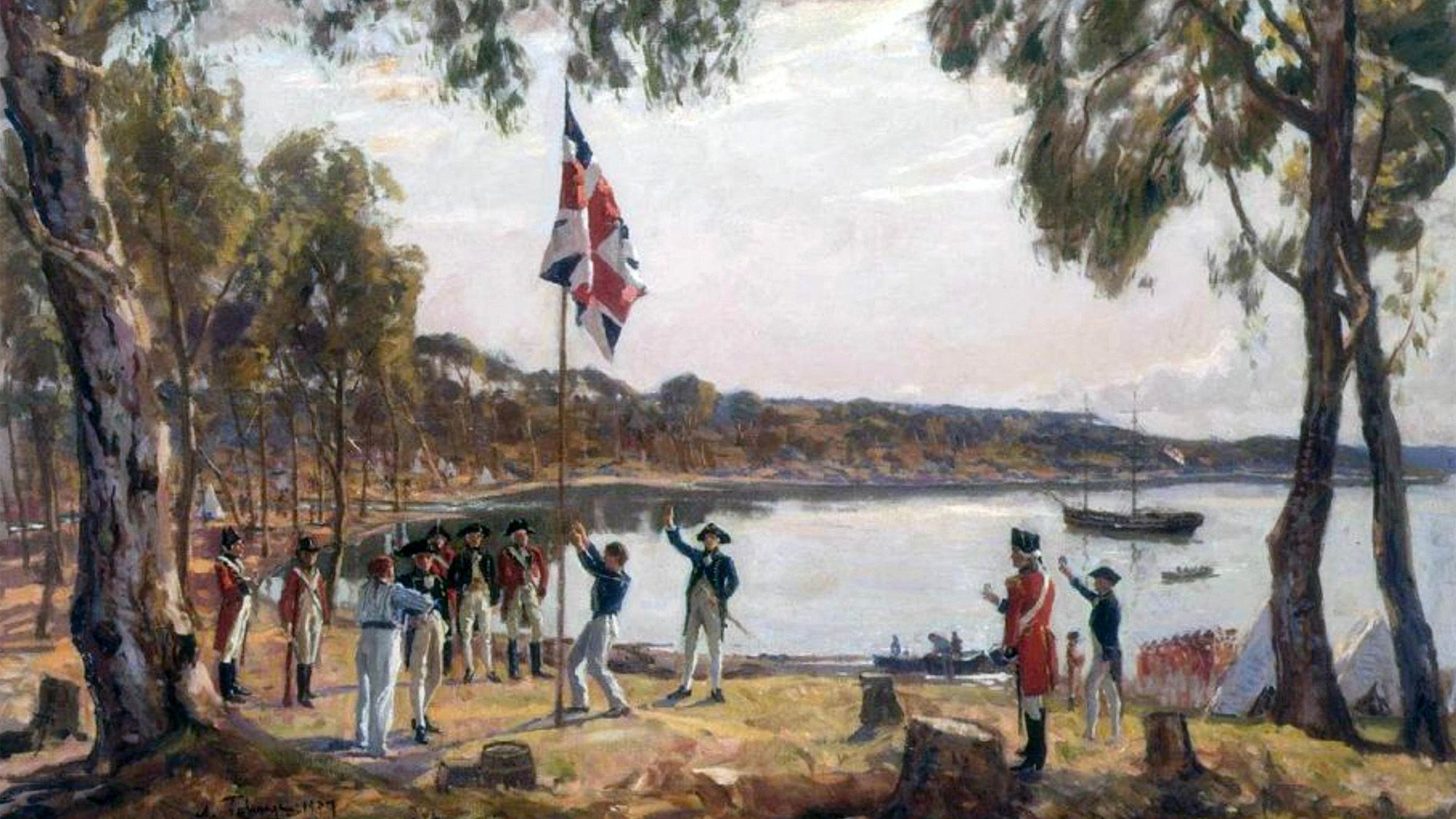
Live Science reports that a new modeling study points to the British First Fleet as the likely source of the 1789 smallpox outbreak that devastated Indigenous communities in Australia. The study, published July 9 in Nature Human Behaviour, examined how the disease could have spread and concluded that the outbreak most plausibly began around Port Jackson, near present-day Sydney, after the fleet’s arrival in 1788.
According to Live Science, the researchers argue the virus may have been carried in vials of dried smallpox scabs used by British medics for inoculation before Edward Jenner’s later vaccine work. Co-author Alan Williams of EMM Consulting told the outlet that those supplies could have been refreshed during stops in Cape Town or Rio de Janeiro, addressing doubts about whether the virus could survive the long voyage from England.
The findings challenge an earlier hypothesis that smallpox reached southeastern Australia through contact between Indigenous people and Makassan fishers from what is now Indonesia. Live Science says the team’s computer modeling found a northern origin unlikely because of distance and geography, including vast sparsely inhabited desert between northern Australia and the southeast. Co-author Matthew Cody Nitschke of Flinders University said the evidence strongly favored the First Fleet explanation.
The study also estimates about 220,000 deaths from the outbreak, and Live Science notes related research by the same team proposes that the pre-colonial Indigenous population may have been far larger than some 20th-century estimates suggested. Historians not involved in the study told Live Science the work strengthens the case against the northern-origin theory and may reshape understanding of the demographic impact of colonization and disease.
Loading debate for this article…
Other publishers covering this story
No additional verified coverage is currently clustered with this report.
Related reporting
 Medicine shortages undermining village health teamsThe Observer
 Depression: Walking Through the Three Corners of Life Toward HealingNile Post
 Ebola: Uganda Reinstates Traveller Locator FormsNile Post
 Uganda remains Ebola-free as Health ministry probes Nigerian traveller infected with virus - Daily MonitorDaily Monitor
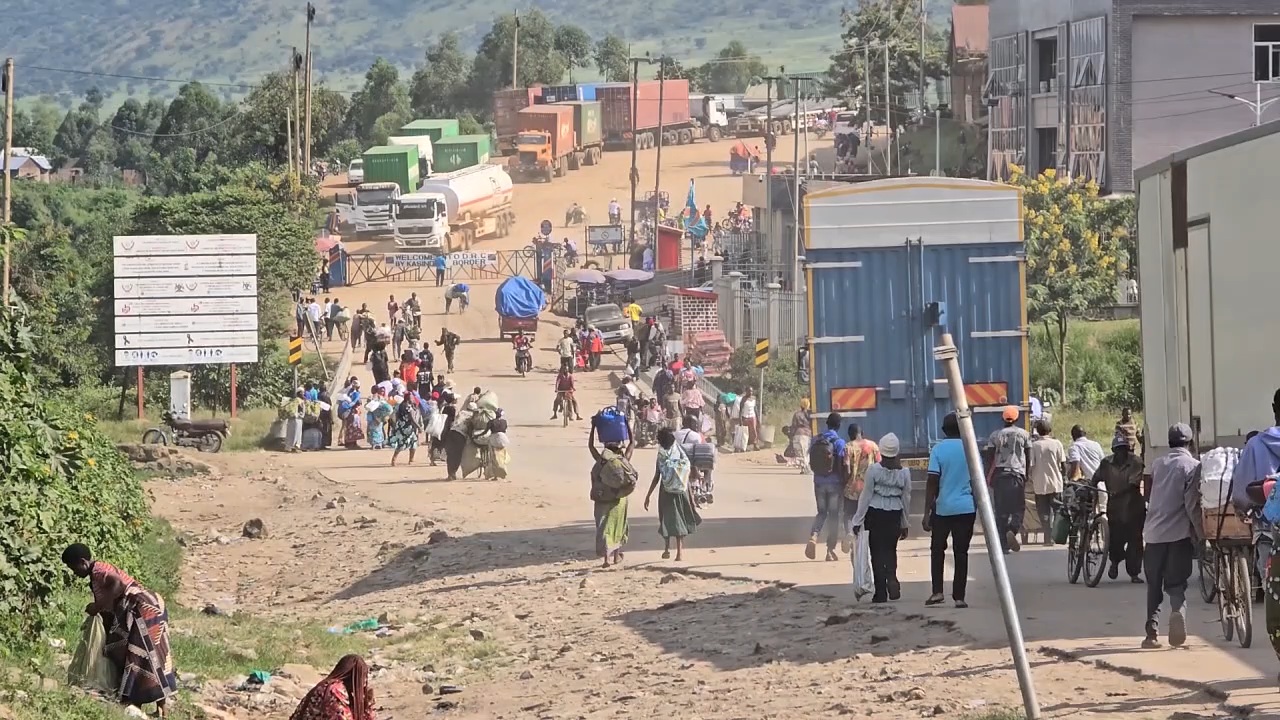
 Atwine Warns Border Officers Over Ebola Screening Lapses at MpondweNile Post
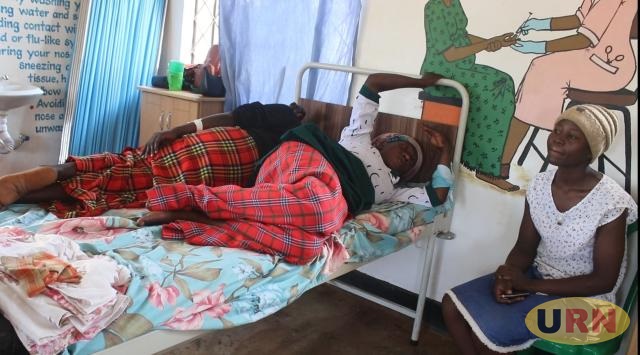 Rising patient numbers strain Bulucheke Health Centre IVThe Independent Uganda