Brewer woman shares story of her husband’s death from Powassan infection - WABI
What the report says
WABI reported that Maine health officials have identified the state’s third Powassan virus case of the year, amid a broader rise in reported U.S. cases of the tick-borne illness. The story centers on Dr. Patricia Jo Grover of Brewer, Maine, who described the death of her husband, Henry Grover, after an infection that was only confirmed after he died.
According to the report, Henry Grover was 61 and receiving treatment for a rare lymphoma when he became suddenly ill in 2022. His wife said he had been taking medication and had been doing well before developing a severe headache, nausea, pain and weakness. He was admitted to a hospital on March 4, 2022, later transferred to Boston, and died 19 days after hospitalization.
WABI reported that doctors initially did not know the cause of his illness. Dr. Grover said his condition left him unable to move, speak or see, and she later faced the decision to remove life support because the couple had previously agreed they would not keep one another alive on machines. She said she is sharing the experience to warn others about the disease.
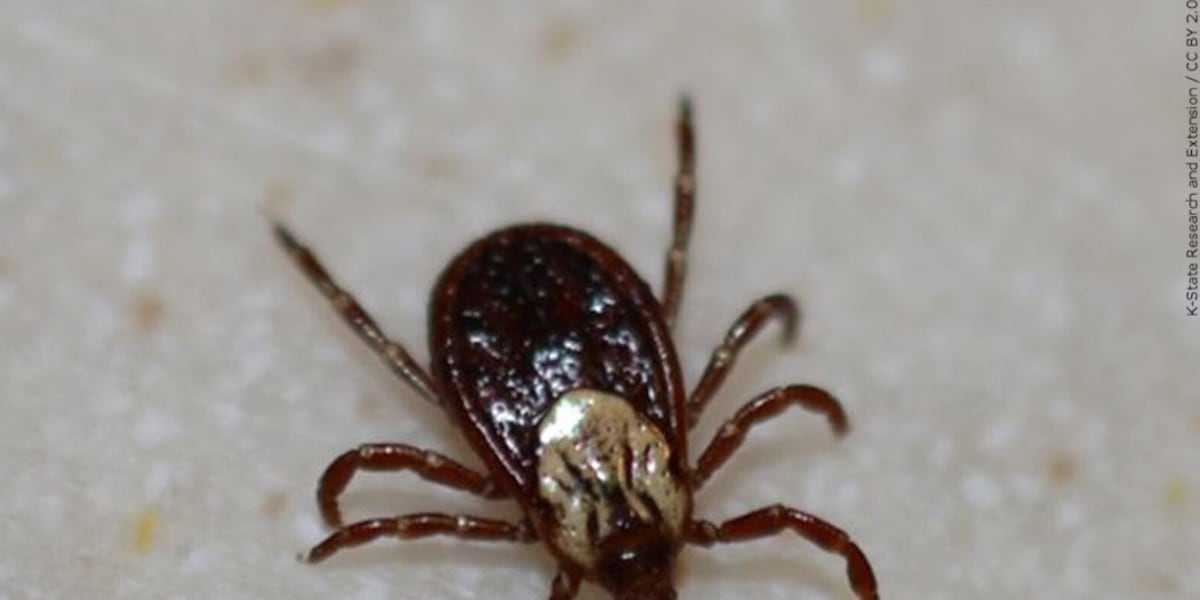
Powassan virus is transmitted through bites from infected ticks. As WABI noted, public health guidance says it is rare but can advance quickly, sometimes causing inflammation of the brain or spinal cord and death. There is no vaccine or specific medicine to prevent or treat the virus. Researchers at MaineHealth’s vector-borne disease lab in Scarborough are studying it.
Loading debate for this article…
Other publishers covering this story
No additional verified coverage is currently clustered with this report.
Related reporting
 Medicine shortages undermining village health teamsThe Observer
 Depression: Walking Through the Three Corners of Life Toward HealingNile Post
 Ebola: Uganda Reinstates Traveller Locator FormsNile Post
 Uganda remains Ebola-free as Health ministry probes Nigerian traveller infected with virus - Daily MonitorDaily Monitor
 Atwine Warns Border Officers Over Ebola Screening Lapses at MpondweNile Post
 Rising patient numbers strain Bulucheke Health Centre IVThe Independent Uganda