BoU Raises Central Bank Rate to 12%
What the report says
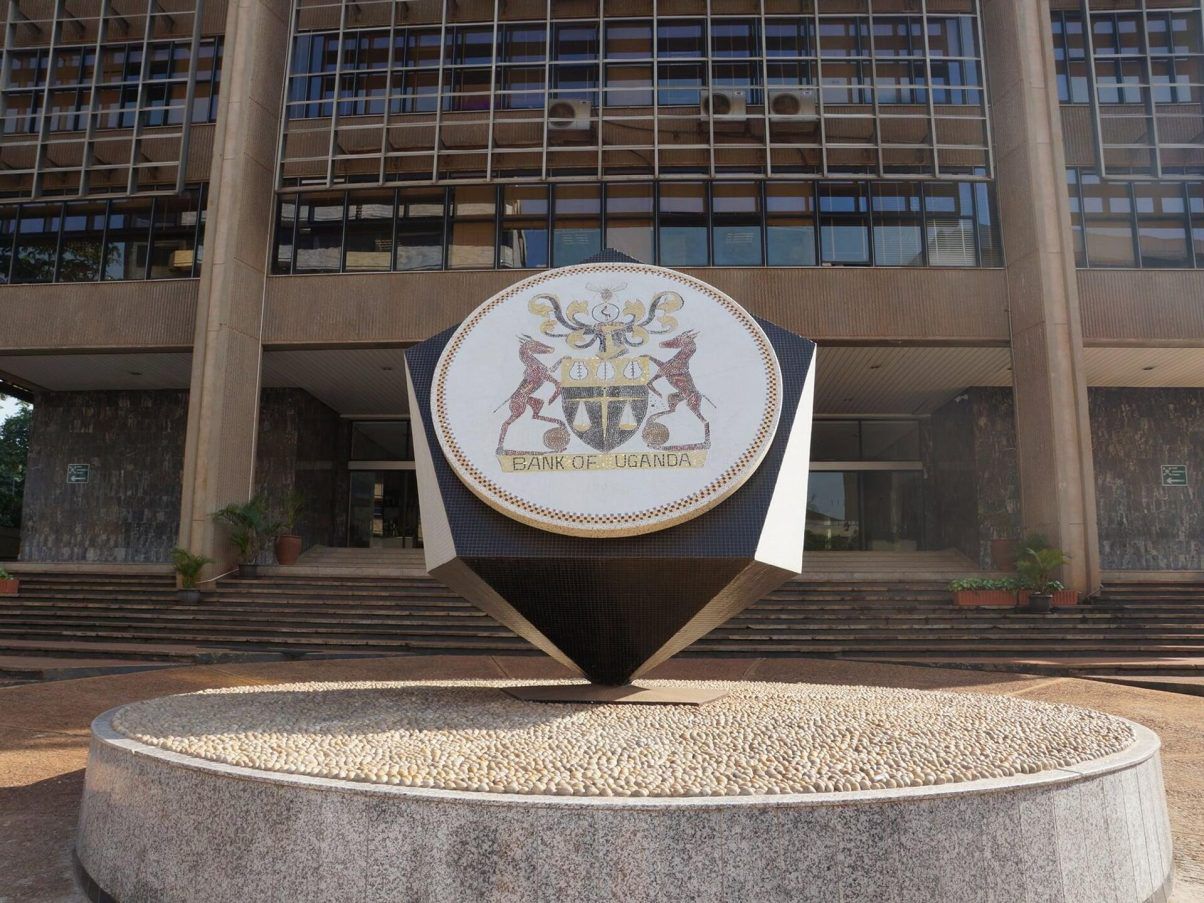
The Bank of Uganda has increased its benchmark Central Bank Rate to 12%, according to Nile Post, in a move aimed at curbing inflation and responding to pressure on the shilling. The central bank’s decision means borrowing is likely to become more expensive for commercial banks, businesses and households, even as policymakers try to support price stability and ease currency weakness.
Nile Post reports that the rate was raised by 225 basis points as officials pointed to a mix of inflation risks, a weaker shilling, higher import costs and broader external pressures. Governor Dr Michael Atingi-Ego defended the tightening, saying the bank had to act against rising inflationary risks, while acknowledging that higher rates can slow economic activity in the short and medium term.
The article adds that the policy shift comes amid concerns about Uganda’s widening external imbalances, higher global oil prices and uncertainty in international financial conditions. It also notes that Bank of Uganda researchers have linked the shilling’s depreciation to foreign exchange demand and global market conditions, rather than a single domestic cause.
Nile Post says the central bank has also been revising its inflation and growth outlooks upward and downward respectively, underscoring the trade-off facing policymakers. In general central banking terms, such moves are meant to restrain demand and support the currency, but they can also tighten credit conditions for firms and consumers.
Loading debate for this article…
Other publishers covering this story
No additional verified coverage is currently clustered with this report.
Related reporting
 EXPLAINER: What BoU's Interest-Rate Hike Means For Your PocketNile Post
 BoU raises interest rate to 12% as Uganda Shilling weakness stokes inflation - Daily MonitorDaily Monitor
 Bank of Uganda raises benchmark rate to 12 per cent at special meetingUganda Business News
BoU hikes Central Bank Rate to 12% as inflation risks mount - PML DailyPML Daily
Bank of Uganda raises benchmark rate to 12 per cent at special meetingUganda Business News
BoU hikes Central Bank Rate to 12% as inflation risks mount - PML DailyPML Daily
 Uganda Eyes Tourism Gains from AFCON 2027 InvestmentsNile Post
 JEEMA Blames Gov’t for Shilling DepreciationNile Post