
BoU Governor warns against reliance on Central Bank to stabilise shilling
What the report says
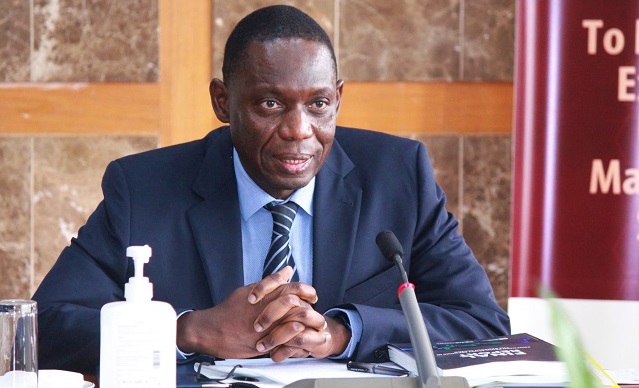
Bank of Uganda Governor Dr Michael Atingi-Ego told Parliament’s Committee on Commissions, Statutory Authorities and State Enterprises that the central bank cannot keep defending the Ugandan shilling against depreciation indefinitely. Speaking in Kampala, he said the BoU can only smooth short-term exchange-rate swings, while lasting stability depends on stronger export earnings, tourism receipts and domestic production.
Atingi-Ego said pressure on the currency has been linked to a wider gap between foreign currency inflows and demand. He pointed to reduced tourism following Ebola-related travel advisories, higher shipping and insurance costs connected to Middle East tensions and disruption around the Strait of Hormuz, and rising government debt-interest payments. He also said some foreign investors sold shilling assets and moved into dollars after changes in U.S. interest rates made dollar holdings more attractive.
The governor argued that using reserves to fully prop up the shilling would not be sustainable, saying foreign exchange reserves must be protected for essential national obligations. He said the government’s external needs, including debt servicing and imports handled through the central bank, remain significant. According to the report, Uganda’s reserves were about US$6.7 billion at the time.
COSASE chair Muwada Nkunyingi asked the central bank to do everything possible to stabilize the situation. More broadly, the exchange-rate debate reflects a common policy tension in emerging economies between preserving reserves and limiting currency volatility.
Loading debate for this article…
Other publishers covering this story
No additional verified coverage is currently clustered with this report.
Related reporting
 Farmers seek tighter regulation of agricultural equipmentThe Independent Uganda
 Ministry of Foreign Affairs welcomes Charles Ssentongo; Diaspora Department seeks stronger diaspora policyWatchdog Uganda
 Who Is to Blame for Broken Roads and Poor Services? What Uganda’s Local Governments Act SaysWatchdog Uganda
 Ssekandi Hails Hajj Yunus Kakande on Retention as OP Permanent SecretaryWatchdog Uganda
 How One Missing Part Costs Airlines Millions: Aviation Expert Ben Cupidi Unpacks AOG CrisesWatchdog Uganda
 Kampala Traders Seek Urgent Meeting with URA Commissioner General Over Rising Taxes, Business ChallengesNile Post