Bicycles Cut Transport Costs, Improve School Attendance in Uganda, Study Finds

What the report says
A new World Bicycle Relief study highlighted bicycles as a practical transport tool for refugee and host communities in Uganda, with reported benefits for school attendance, healthcare outreach and rural trade. The findings were published by Nile Post and focus on how bicycles can reduce travel barriers in underserved areas, especially where roads and transport options are limited.
According to the report, students using bicycles can get to school faster and more safely, while community health workers can visit more households. The study said cyclists in farming communities are also able to reach markets sooner and spend less on transport. World Bicycle Relief’s Uganda country manager, Robert Omach, said the bicycles can carry loads of up to 100 kilogrammes and may save farmers up to Shs580,000 in transport costs.
The article said the study estimated that more than two million people could benefit, including secondary school students, community health workers and rural residents. It also noted that each Buffalo Bicycle costs about $200, or roughly Shs800,000, which remains a hurdle for low-income households. World Bicycle Relief said it is looking at financing partnerships to expand access.
The report also quoted government and aid officials on the need for sustainable support, including maintenance services, spare parts and donor backing for refugee programmes. More broadly, the findings suggest bicycles could complement existing investments in education, healthcare and livelihoods if affordability and upkeep challenges are addressed.
Loading debate for this article…
Other publishers covering this story
No additional verified coverage is currently clustered with this report.
Related reporting
 Ntungamo Schools Count Losses as Storms Expose Ageing RoofsNile Post
 Police probe death of Senior Four student found hanging near school - Daily MonitorDaily Monitor
Ndejje University appeals for fast accreditation of medical school - Daily MonitorDaily Monitor
Police probe death of Senior Four student found hanging near school - Daily MonitorDaily Monitor
Ndejje University appeals for fast accreditation of medical school - Daily MonitorDaily Monitor
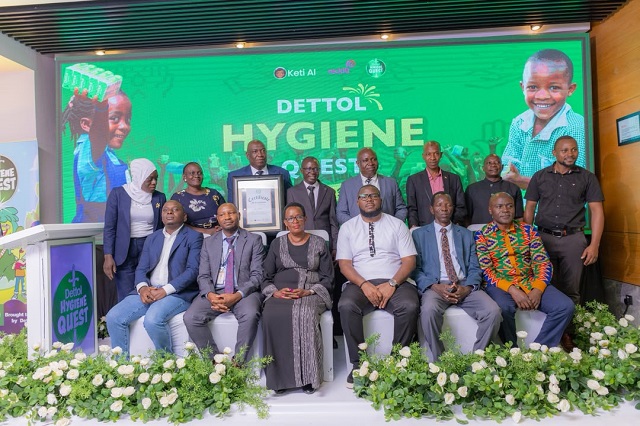 Reckitt, Chil Group target 650,000 pupils in hygiene driveThe Independent Uganda
 Dettol Expands Hygiene Education Programme to 750 More Schools in UgandaNile Post
Why is the student sleeping hungry? - Daily MonitorDaily Monitor
Dettol Expands Hygiene Education Programme to 750 More Schools in UgandaNile Post
Why is the student sleeping hungry? - Daily MonitorDaily Monitor