As measles cases reach record highs, see your school’s vaccine rates - The Washington Post

What the report says
The Washington Post reported that measles cases in the United States have reached record highs while kindergarten vaccination coverage has weakened in many places. Citing public records, the Post said the share of U.S. counties where at least 95 percent of kindergartners were vaccinated against measles has fallen to 28 percent. The report, published July 24, was presented with a way for readers to look up vaccination rates tied to their schools.
The 95 percent benchmark matters because public health authorities generally view very high measles vaccination coverage as necessary to limit spread in schools and communities. Measles is highly contagious, and outbreaks can grow when clusters of unvaccinated people are exposed. The Post’s figure suggests that broad county-level protection at that threshold is now less common than it once was, though the provided excerpt does not specify the prior share or the time period over which the decline occurred.
The available article text does not identify particular states, districts or schools with the lowest rates, nor does it provide the number of measles cases behind the “record highs” referenced in the headline. The central development, as reported by the Post, is the combination of rising measles activity and uneven kindergarten vaccination coverage, with public records used to show how many counties still meet the 95 percent vaccination level.
Loading debate for this article…
Other publishers covering this story
No additional verified coverage is currently clustered with this report.
Related reporting
 Medicine shortages undermining village health teamsThe Observer
 Depression: Walking Through the Three Corners of Life Toward HealingNile Post
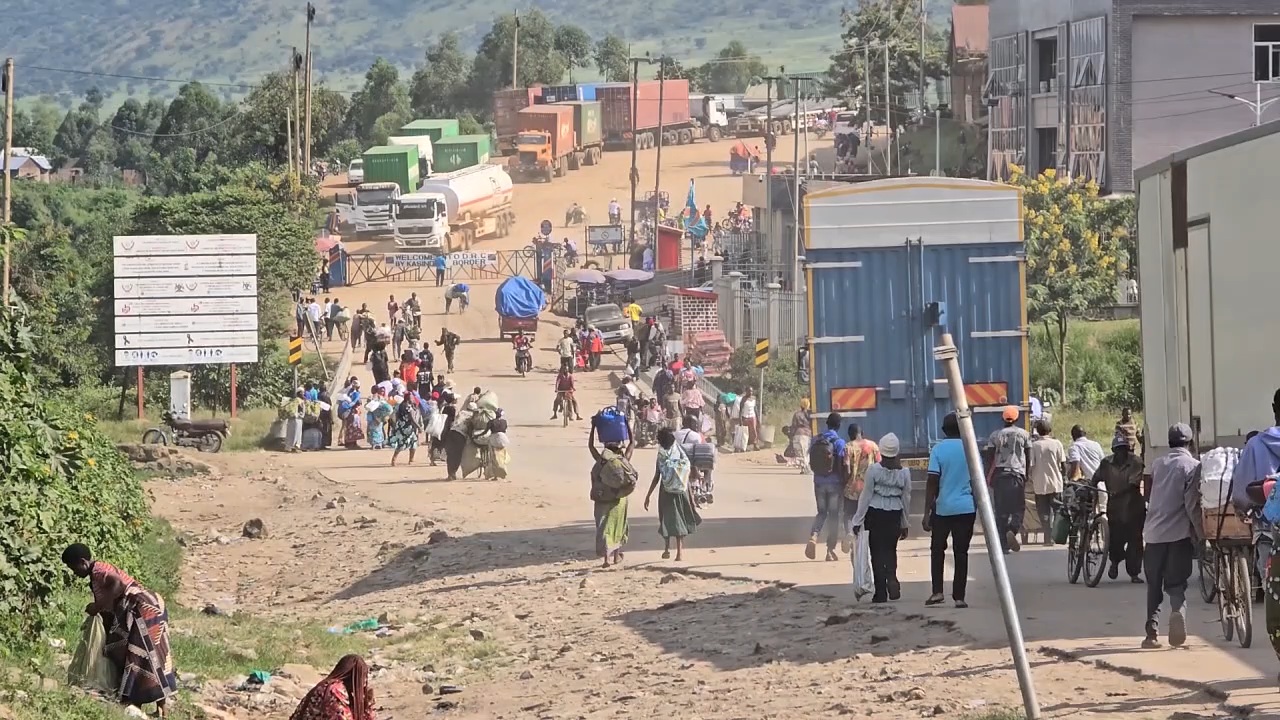 Ebola: Uganda Reinstates Traveller Locator FormsNile Post
 Uganda remains Ebola-free as Health ministry probes Nigerian traveller infected with virus - Daily MonitorDaily Monitor
 Atwine Warns Border Officers Over Ebola Screening Lapses at MpondweNile Post
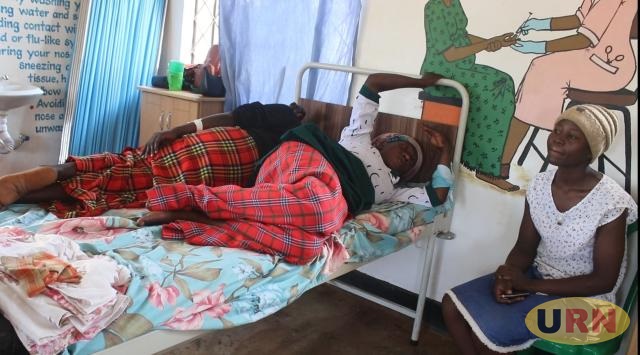 Rising patient numbers strain Bulucheke Health Centre IVThe Independent Uganda