APOLLO BUREGYEYA: A charcoal ban may destroy more forest than charcoal
What the report says
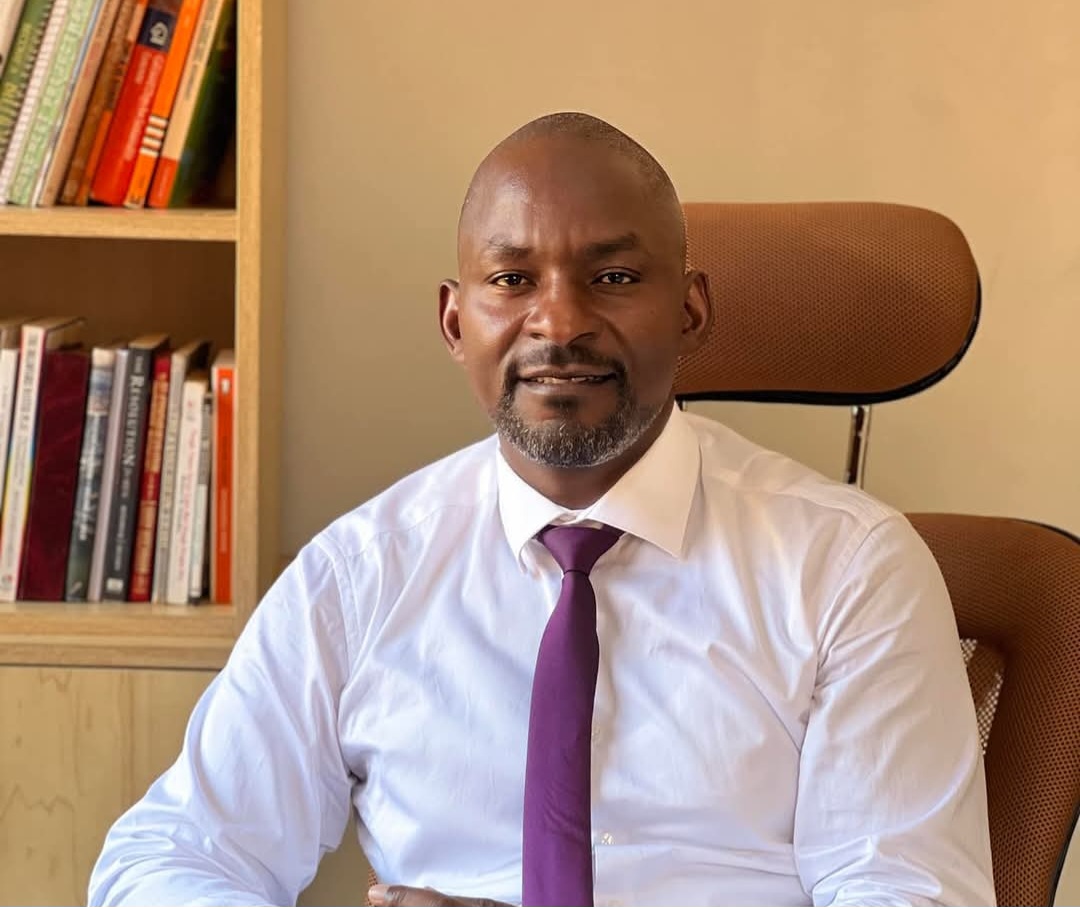
Watchdog Uganda published an opinion piece by Apollo Buregyeya arguing that Uganda’s charcoal ban could end up harming forests more than it protects them. The article responds to the reported pause in enforcement of the ban by Parliament and Speaker Jacob Marksons Oboth, and it frames the debate as one about whether policy removes the economic value that encourages people to keep trees standing.
Buregyeya’s central claim is that if trees can no longer generate income through a regulated charcoal economy, landowners may clear them for crops such as cassava, coffee or tea instead. In that view, banning charcoal without providing a replacement livelihood could shift land away from forestry and into other uses, reducing tree cover while giving the appearance of stronger enforcement. The piece says the issue is not whether natural forests should be protected, but how to make forestry itself financially attractive.
The op-ed recommends a different approach: charcoal made from planted woodlots, replanting requirements, traceable supply chains, tighter protection for natural forests, and better income incentives for communities that preserve tree cover. It also says cleaner cooking options such as gas and electricity need to be affordable for households. As context, Uganda has long faced pressure from deforestation, fuelwood demand and access to affordable energy, which often makes charcoal policy politically sensitive.
Loading debate for this article…
Other publishers covering this story
No additional verified coverage is currently clustered with this report.
Related reporting
 Uganda leaves first-oil date open until June 2027Uganda Business News
 UNCST’s New Policy Direction Promises a Bright Future for Ugandan Science, Technology and InnovationWatchdog Uganda
 Government urges Ugandans in Ethiopia to invest home, unveils new diaspora policy - Daily MonitorDaily Monitor
 Ssenyonyi Seeks Clarity on Military Training for Senior Six LeaversNile Post
 Parliament Seeks Answers on 121 Ugandans Reportedly Recruited Into Russian ArmyNile Post
Court orders police forensic officers to defend findings in Magoola election petition - Daily MonitorDaily Monitor
Parliament Seeks Answers on 121 Ugandans Reportedly Recruited Into Russian ArmyNile Post
Court orders police forensic officers to defend findings in Magoola election petition - Daily MonitorDaily Monitor