
An experimental gene therapy killed a 6-year-old girl in China. Her parents are seeking accountability. - Live Science

What the report says
Live Science, citing a joint investigation by Science and Retraction Watch, reported that a 6-year-old girl in China died after receiving an experimental gene therapy for Snijders Blok-Campeau syndrome, a rare neurodevelopmental condition that is generally not fatal. The child, identified by the pseudonym “Mei” at her parents’ request, was treated in March 2025 at Xinhua Hospital, affiliated with Shanghai Jiao Tong University School of Medicine.
According to the report, the effort was led by neuroscientist Zilong Qiu, whose team developed a virus-delivered, CRISPR-related base-editing therapy intended to address Mei’s CHD3 gene mutation. Her parents, identified as “Jason” and “Linda,” had pursued the option after joining parent groups online and ultimately contributed the equivalent of $860,000 toward development, testing and treatment costs. Live Science reported that charging for an unproven therapy is barred under Chinese law, while the arrangement was described to the family as payments into Qiu’s company.
The investigation said animal safety findings raised concerns before the procedure, including liver damage in monkeys, but the hospital ethics committee had not reviewed those data before approving Mei’s treatment. After the therapy was injected into her spinal fluid on March 24, 2025, she developed severe symptoms and died seven days later. The hospital concluded her death was directly connected to the treatment and caused by thrombotic microangiopathy, an immune-related clotting disorder known as a risk in some virus-based gene therapies.
Live Science reported that the hospital later received a fine of about $3,600 for oversight and registration failures. Mei’s parents have sought further accountability, including asking for retraction of a related scientific paper, saying they want other families to understand the risks.
Loading debate for this article…
Other publishers covering this story
No additional verified coverage is currently clustered with this report.
Related reporting
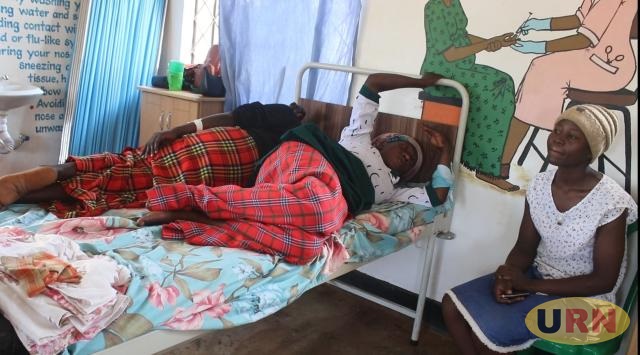 Mothers forced to share beds, sleep on floor at Bulucheke Health Centre IVThe Independent Uganda
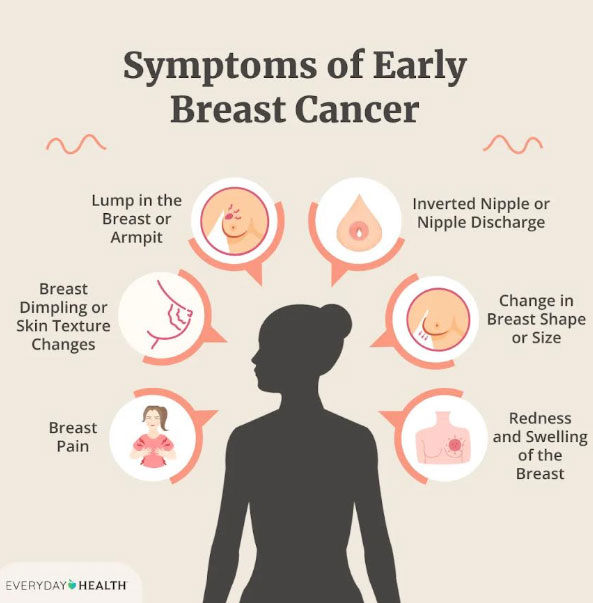 The overlooked realities of breast cancer in UgandaThe Independent Uganda
 Parents Urged to Vaccinate Children Against PolioNile Post
 Kilembe Hospital Targets December Readiness Ahead of 2027 Mining RestartNile Post
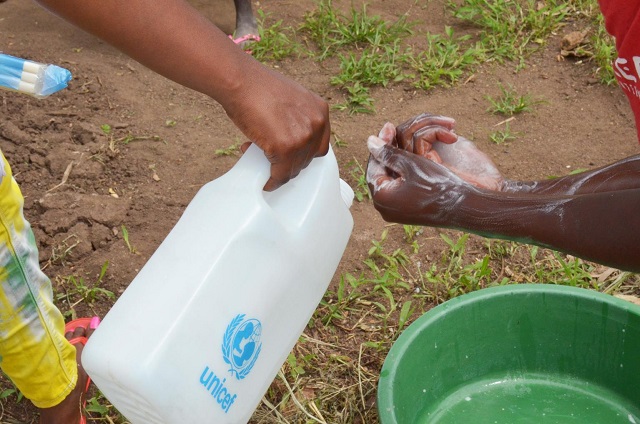 REPORT: 90% of Ugandans can’t wash their hands properlyThe Independent Uganda
 75% of Cancer Patients in Uganda Seek Treatment at Advanced Stages, Experts WarnNile Post