Amuria Farmers Turn to Indigenous Seeds to Strengthen Food Security

What the report says
Farmers in Amuria District, in eastern Uganda, are leaning more heavily on indigenous groundnut seeds as they look for ways to cope with unreliable rainfall and protect household food supplies. Nile Post reports that the local varieties Obino and Egoromoit are being preserved because farmers say they are well adapted to the area’s conditions and can sometimes outperform improved seeds during dry spells.
The discussion took place during a visit to Orungo Farmer Field School, where farmers shared their experiences with central government officials, local leaders, researchers and civil society representatives. Small-scale farmers said keeping traditional seeds in use gives them more planting options and may help reduce the risks associated with climate-related crop losses.
Farmers quoted in the report said the seeds have practical value for families that depend on agriculture. Sarah Akello said traditional groundnuts can still deliver usable harvests when rainfall is uncertain, while Peter Ocen argued that farmers should not discard local varieties without considering their benefits. Christine Amongin stressed the importance of teaching younger farmers how to preserve and multiply indigenous seeds so the knowledge is not lost.
According to Nile Post, the Eastern and Southern Africa Small-scale Farmers’ Forum, through ESAFF Uganda, has established a seed bank at the field school to conserve indigenous varieties and provide planting materials when needed. More broadly, the report reflects growing attention in Uganda and the wider region to climate-resilient farming, crop diversity and community-led seed conservation.
Loading debate for this article…
Other publishers covering this story
No additional verified coverage is currently clustered with this report.
Related reporting
 35 Suspected Youth Gang Members Arrested in Amuria-Kapelebyong OperationNile Post
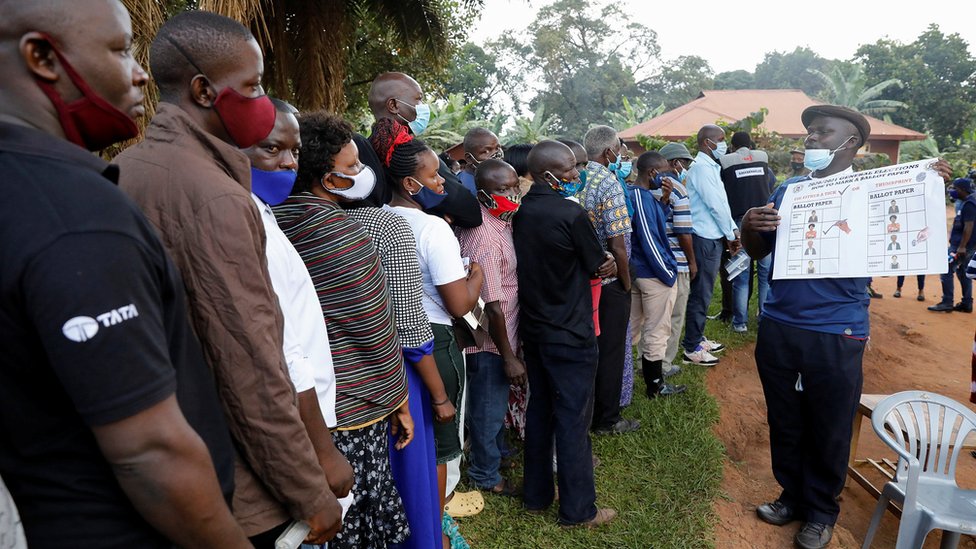 Abayita Ababiri LC1 Repeat Poll Halted After ViolenceNile Post
 Mbale, Arua Earmarked for Next Phase of Court of Appeal ConstructionNile Post
 Heli Baibe and the long road from Kasese to a wider audience - PML DailyPML Daily
 Afternoon fire razes Wandegeya Police BarracksThe Independent Uganda
 Sasakawa Initiative Boosts Nutrition for Children Resettled from Kampala StreetsNile Post