Alzheimer’s breakthrough: Scientists restore two hours of sleep without clearing brain plaques - ScienceDaily

What the report says
ScienceDaily, citing a University of Kentucky report dated July 20, 2026, says researchers have identified brain immune cells called microglia as a key driver of sleep loss in a mouse model of Alzheimer’s disease. The study, published in Alzheimer’s & Dementia, was led by Shannon L. Macauley of the UK College of Medicine, with Nicholas J. Constantino as first author. The work suggests that disrupted sleep linked to amyloid plaques may be caused less by the plaques themselves than by an inflammatory immune response around them.
In the study, mice genetically prone to amyloid plaque buildup were compared with normally aging mice at six months and 18 months. Researchers used EEG and EMG recordings to track wakefulness, deep non-REM sleep and REM sleep, and used light sheet microscopy to map plaques and immune cells in the brain. The report says Alzheimer’s-related pathology mainly reduced restorative non-REM sleep, while normal aging was more associated with reduced REM sleep.
To test whether microglia were causing the sleep problem, the team treated mice for 14 days with Pexidartinib, also known as PLX3397, a drug that blocks a pathway microglia need to survive. ScienceDaily reports that about 87% of the cells were temporarily removed, after which mice with Alzheimer’s-related pathology recovered more than two hours of sleep per day. The improvement occurred without reducing amyloid plaque levels.
The findings matter because sleep disruption is considered part of a damaging cycle in Alzheimer’s disease, and restorative sleep is linked to brain repair and waste clearance. The research is still in animals, so it does not establish a treatment for people, but it points to microglial inflammation as a possible future target.
Loading debate for this article…
Other publishers covering this story
No additional verified coverage is currently clustered with this report.
Related reporting
 Medicine shortages undermining village health teamsThe Observer
 Depression: Walking Through the Three Corners of Life Toward HealingNile Post
 Ebola: Uganda Reinstates Traveller Locator FormsNile Post
 Uganda remains Ebola-free as Health ministry probes Nigerian traveller infected with virus - Daily MonitorDaily Monitor
 Atwine Warns Border Officers Over Ebola Screening Lapses at MpondweNile Post
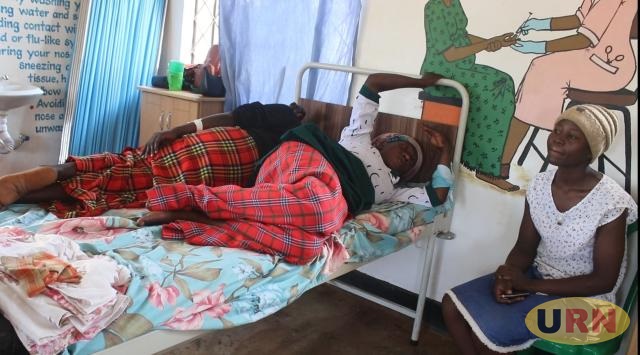 Rising patient numbers strain Bulucheke Health Centre IVThe Independent Uganda