
Alleged rebel leader killed in Colombia as president targets armed groups
What the report says
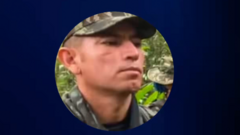
Colombia’s military says it killed Hernando Forero Mosquera, a man accused of leading a dissident rebel faction, in an operation in central Colombia. The action, which officials said also left five other alleged members of armed groups dead, came just days after the country’s new president, Abelardo de la Espriella, took office and vowed a tougher approach to illegal armed groups.
According to the BBC, military intelligence identified Forero as the leader of Frente 28, one of the breakaway factions that emerged after the left-wing Farc signed a peace deal with the government in 2016. Those dissident groups have increasingly been linked by authorities and analysts to cocaine trafficking and illegal mining, and they have been a major factor in Colombia’s renewed violence.
De la Espriella, who was sworn in on Friday, has said he will confront what he calls “narco-terrorism” more aggressively than his predecessor, Gustavo Petro, who emphasized negotiation through a “total peace” policy. The new president praised the military operation and said it sent a message to armed groups, while also reporting separate deadly offensives against the Gulf Clan in Antioquia province.
The BBC report also noted that violence continued over the weekend, including explosions in Cauca and Cesar provinces. The developments suggest the new administration is moving quickly to test its security strategy, while armed groups are signaling resistance to the change in approach.
Loading debate for this article…
Other publishers covering this story
No additional verified coverage is currently clustered with this report.
Related reporting
 Ebola spreads in DR Congo, putting neighbouring nations at riskAl Jazeera
 An unexpected welcome: Syrian Kurds return to their homes in AfrinAl Jazeera
 Republic of Ireland news conference delayed before controversial Israel gameBBC Sport Football
 Israel bans Arab parties from election: Who they are, why it mattersAl Jazeera
 Virat Kohli says he will retire from India cricket after 2027 World CupAl Jazeera
 ‘Super El Niño’ deepens hunger crisis in South Sudan says UNFrance24 Africa