African Educators Call for Curriculum Decolonisation, Warn Against Irrelevant Graduates
What the report says
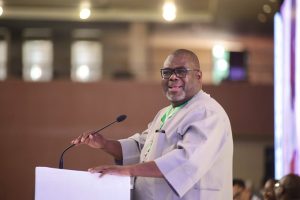
African education experts are urging a major rethink of how school and university curricula are designed across the continent, arguing that systems built around imported models can leave graduates disconnected from local needs. According to SoftPower News, the appeal was made in Kampala on Thursday during the 2nd International Conference on Curriculum Development at Speke Hotel.
The speakers said African education should be grounded more strongly in African languages, knowledge systems, community realities and practical skills. Their concern is that curriculum choices that do not reflect local contexts can produce graduates who are academically qualified but not well prepared for the jobs, societies and challenges they will face after school.
SoftPower News reported that the discussion centered on “decolonising” education, a term often used in policy debates to describe efforts to reduce reliance on inherited colonial frameworks and to make learning more locally relevant. In general terms, this kind of reform debate matters because curriculum shapes what students learn, how they learn it and whether education supports national development priorities.
The conference call adds to wider conversations in Africa about improving employability, strengthening cultural identity in education and ensuring that learning outcomes are aligned with everyday realities rather than copied wholesale from outside models.
Loading debate for this article…
Other publishers covering this story
No additional verified coverage is currently clustered with this report.
Related reporting
 KCCA fined Shs 124m over vendor Basemera’s death in 2017The Observer
 US-Based Nurse Ann Kirabo Endorses Muhoozi as PLU Mobilization Gathers MomentumWatchdog Uganda
 Local Government at the Frontline of Uganda’s Environmental ProtectionWatchdog Uganda
 Uganda must rethink HIV testing to reach those who don’t know their status-ExpertsThe Independent Uganda
 Uganda’s tax policy faces a test of value for moneyThe Independent Uganda
How delayed diabetes diagnosis cost former Kampala mechanic both legs - Daily MonitorDaily Monitor
Uganda’s tax policy faces a test of value for moneyThe Independent Uganda
How delayed diabetes diagnosis cost former Kampala mechanic both legs - Daily MonitorDaily Monitor