
Africa: Women Still Shut Out of Power As Gender Bias Undermines Africa's Democracy
What the report says
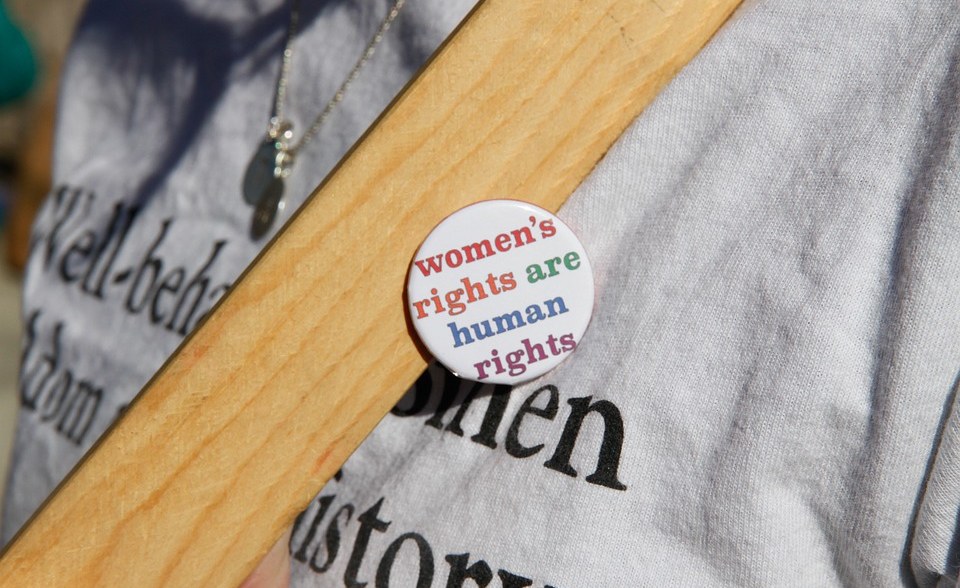
United Nations and European Union officials warned in Zanzibar that discriminatory social norms, unequal power relations and rising gender-based violence are still limiting women’s political leadership across Africa, even as more countries adopt gender-equality laws and expand representation. The comments were made at the opening of a two-day inter-regional dialogue on transforming gender norms to improve women’s and youth participation in leadership and decision-making.
According to the speakers, women still hold a minority of parliamentary and local government seats across sub-Saharan Africa, with notable regional differences. Julia Broussard of UN Women in Tanzania said low representation has not fully translated into equal influence in decision-making, while Tanzania’s gender minister, Saada Mkuya Salum, said women seeking office face criticism, social pressure and limited institutional support. She also pointed to the extra burden of unpaid caregiving responsibilities, which can reduce women’s time and resources for political work.
European Union Ambassador Jean-Marc Pisani said the issue is less about legal texts than about deeply rooted attitudes and weak implementation. He said violence against women in politics is increasingly moving online, with abuse, threats and disinformation creating additional barriers. The officials argued that increasing the number of women in office is not enough unless institutions, media coverage and community attitudes also change. They cited ongoing efforts in Tanzania and broader EU-backed programmes aimed at supporting women candidates, gender-responsive policies and local initiatives to challenge bias.
The meeting, organized by International IDEA with support from the EU and UN Women, brought together participants from 23 countries, including journalists, women in politics and community leaders.
Loading debate for this article…
Other publishers covering this story
No additional verified coverage is currently clustered with this report.
Related reporting
 Strike on Ukraine Humanitarian Hub Is Feared to Be Among War’s DeadliestNew York Times World
 For Ukraine's Kherson region, a short ceasefire meant a momentary return to normal lifeNPR World
 Do sports stars have the right to free speech?Al Jazeera
 Syria says it foiled Hezbollah plot to target Homs oil refineryAl Jazeera
 In Pictures: US midterm elections in 20 photosAl Jazeera
 How US midterms have cost a record $12bn as cost of living soarsAl Jazeera