Africa: What Do Disruptions in Major Trade Routes Mean for Food Security?
What the report says
The World Food Programme says conflicts affecting the Strait of Hormuz, the Red Sea and the Black Sea are slowing the movement of food, fuel and fertilizer, raising costs and increasing pressure on global food security. In a report republished by AllAfrica, the UN agency warned that simultaneous disruption across these routes could create a wider bottleneck for global trade and humanitarian deliveries.
The article explains that these waterways are important links in the supply chains that support food production and transport. The Strait of Hormuz is a key corridor for oil and fertilizer, the Bab-el-Mandeb Strait connects the Red Sea to the Suez Canal, and the Black Sea is a major export route for grain. The WFP said interruptions can ripple far beyond the conflict zones by pushing up prices and reducing the availability of inputs needed by farmers.
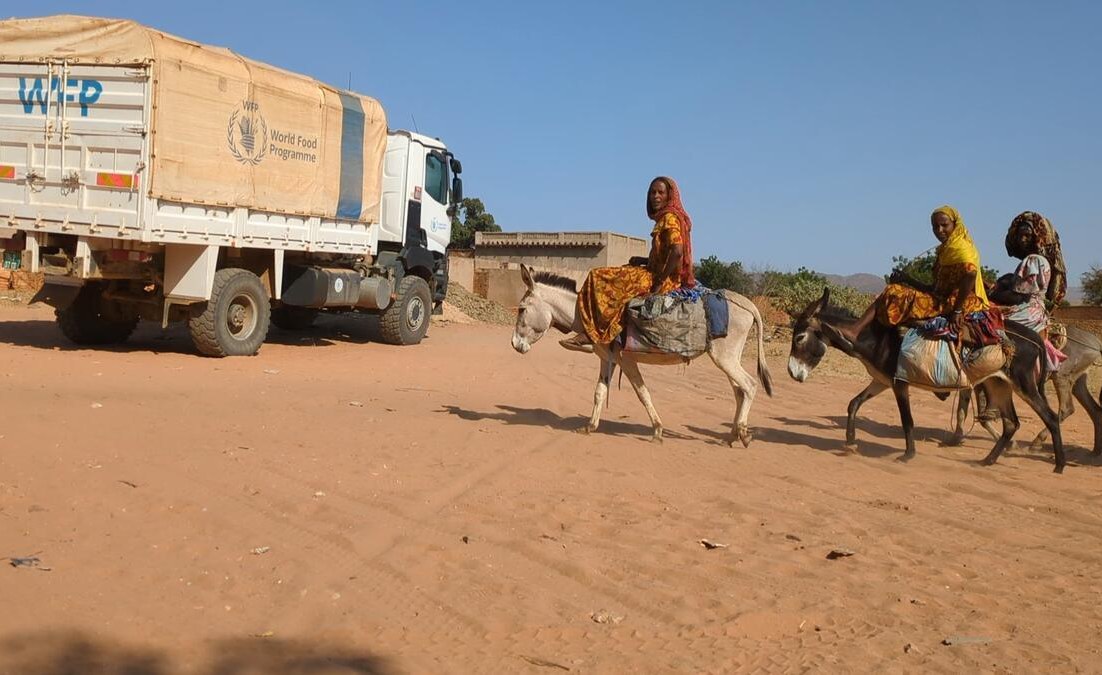
The report also said higher fuel and shipping costs are already affecting humanitarian operations. It cited Sudan as an example of a place where the cost of a basic diet has risen sharply since February 2026, while WFP operations face higher shipping and aviation fuel expenses. The agency said these added costs reduce resources available for emergency food assistance.
The piece adds that countries heavily dependent on imports, especially in Africa and the Middle East, are among the most exposed to these shocks. It frames open and predictable trade routes as important not only for current food supplies, but also for future harvests and long-term food security.
Loading debate for this article…
Other publishers covering this story
No additional verified coverage is currently clustered with this report.
Related reporting
 Looting Left Damage and Fear on Paradise Street in MarseilleNew York Times World
 Ukraine’s Feeling of Moral Whiplash at the Hands of TrumpNew York Times World
 The Other Bolsonaro Who Could Become Brazil’s Next PresidentNew York Times World
 U.S. Pressures Mexico to Deliver a Security Win Ahead of Midterm ElectionsNew York Times World
 Could Lula Be on the Brink of Defeat in Brazil’s Election?New York Times World
 Why Brazil’s Election Could Come Down to CrimeNew York Times World