Africa's camels are dying from extreme heat as temperatures soar - BBC
What the report says
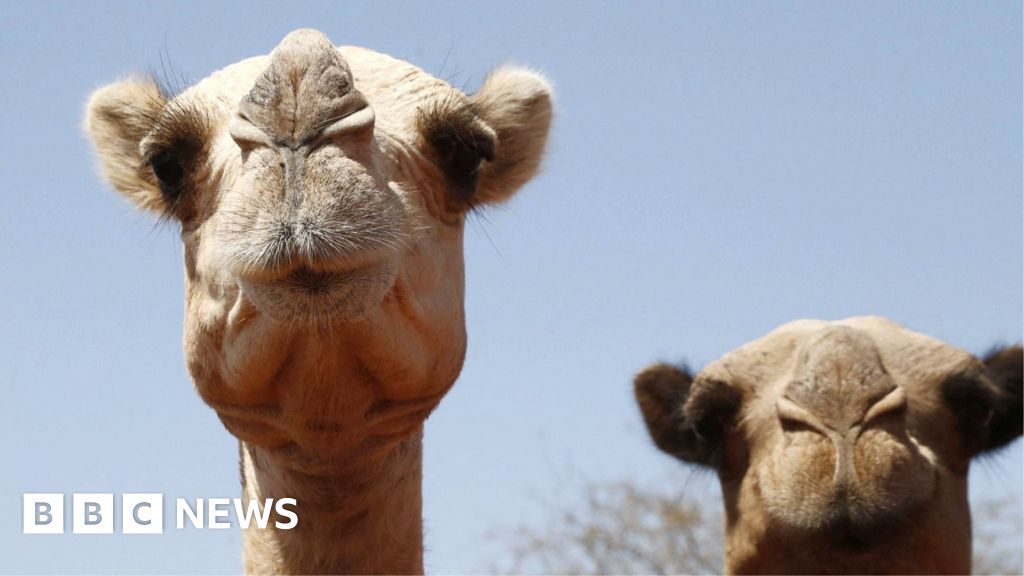
BBC News reports that camel herders and animal-health experts across parts of Africa say extreme heat is increasingly harming animals long regarded as highly adapted to desert life. In Ethiopia’s Afar region, herder Ali Umer told the BBC that hotter conditions have caused visible injuries and distress among his camels, and said he recently lost eight calves. The report also describes concern in Kenya, Somalia, Algeria and other arid regions where pastoralists depend on camels for transport, milk and livelihoods.
The BBC cites research and expert accounts linking rising temperatures and climate variability to heat stress, dehydration, disease, lower milk production and reproductive problems in camels. One study of Somali pastoral households published in June found drought-related camel deaths affecting nearly 46% of camel-owning households, with especially severe losses reported in northern areas. A veterinary officer in Marsabit county, Kenya, told the BBC that local camel deaths attributed to extreme heat had risen by more than 15% over two years.
The report places the problem in a wider climate context. North Africa and the Horn of Africa hold most of the world’s one-humped dromedary camels, and many herders have shifted toward camels as cattle and other livestock struggle with drought. However, experts quoted by the BBC said temperatures above camels’ comfort range, combined with water scarcity, disappearing vegetation, limited shade and weak veterinary access, can overwhelm their natural heat defenses.
According to the BBC, some Ethiopian herders are moving camels away from historically used northern areas toward places with better water and forage. The trend matters because camels are central to pastoral economies, food security and mobility in some of Africa’s driest regions.
Loading debate for this article…
Other publishers covering this story
No additional verified coverage is currently clustered with this report.
Related reporting
 Atwine Warns Border Officers Over Ebola Screening Lapses at MpondweNile Post
 Rising patient numbers strain Bulucheke Health Centre IVThe Independent Uganda
 Health officials race to trace source of Nigeria's Ebola infection - Daily MonitorDaily Monitor
 Uganda Martyrs Hospital Unveiled in Honour of Late Bishop WamikaNile Post
U.S. to Reduce Health Aid to Kenya as Nairobi Takes Over HIV, Malaria Funding - ChimpReportsChimpReports
Mubende hospital restricts number of caregivers to tackle overcrowding - Daily MonitorDaily Monitor
Uganda Martyrs Hospital Unveiled in Honour of Late Bishop WamikaNile Post
U.S. to Reduce Health Aid to Kenya as Nairobi Takes Over HIV, Malaria Funding - ChimpReportsChimpReports
Mubende hospital restricts number of caregivers to tackle overcrowding - Daily MonitorDaily Monitor