Africa Risks Losing Billions to Illicit Financial Flows as Experts Demand Stronger Controls

What the report says
Uganda could be losing more than Shs2 trillion a year to illicit financial flows and related leakages, according to the Nile Post, as African financial intelligence officials gather in Kampala to discuss stronger safeguards for public resources. The issue is part of a wider continental problem that experts say deprives governments of money that could otherwise support infrastructure, health care, education and business growth.
The report cites UNCTAD estimates that Africa loses about US$88.6 billion annually through illicit capital flight, while trade misinvoicing alone costs tens of billions of dollars more each year. It says these outflows reduce domestic revenue, weaken foreign exchange availability and complicate efforts by African states to fund development without relying heavily on borrowing or aid. In Uganda, the problem is linked to weaknesses in tax administration, customs controls, financial supervision and monitoring of cross-border transactions.
The second Africa Financial Intelligence Summit opened at Speke Resort Convention Centre in Kampala, bringing together officials and experts from across the continent. Moses Kaggwa, speaking for the Finance Ministry, called for closer coordination among regulators, tax agencies, law enforcement and private-sector actors. Financial Intelligence Authority executive director Samuel Wandera urged better technology, stronger institutions and faster information sharing between financial intelligence units. The article notes that Uganda’s FIA has increased monitoring activity, but still faces funding, legal and enforcement challenges.
Loading debate for this article…
Other publishers covering this story
No additional verified coverage is currently clustered with this report.
Related reporting
 Vult hires a Ugandan fintech veteran to run operations in Sierra LeoneThe Independent Uganda
 Uganda: Major General James Kazini Is KilledAllAfrica
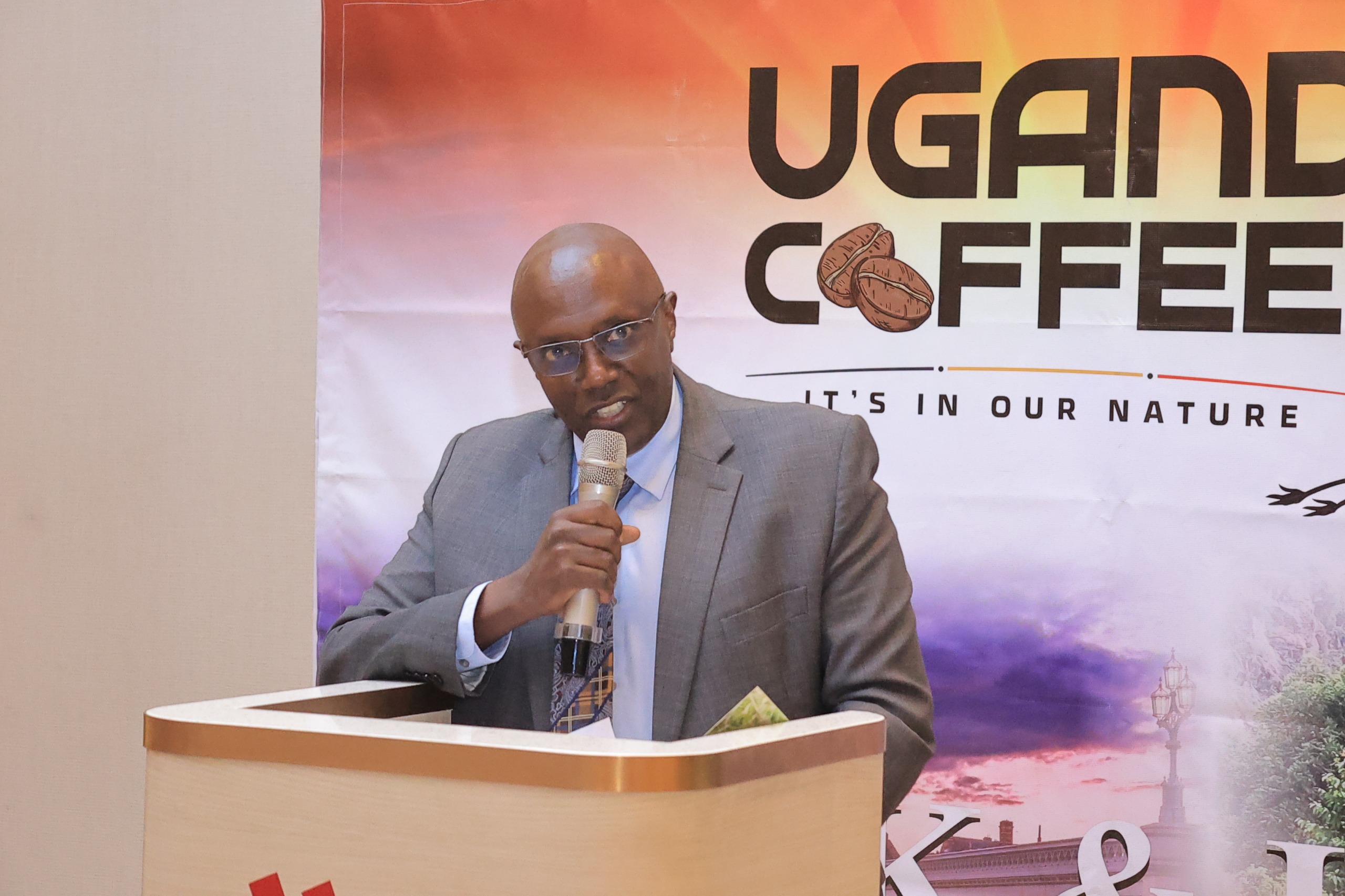 Uganda Seeks Bigger Share of UK and Irish Coffee MarketsSoftPower News
 Kampala Floods: Cabinet bans trading in parking basements, allocates Shs18.9b for affected traders - Daily MonitorDaily Monitor
 ICEA LION commits Shs15m to HR conference, calls for stronger employee protectionThe Independent Uganda
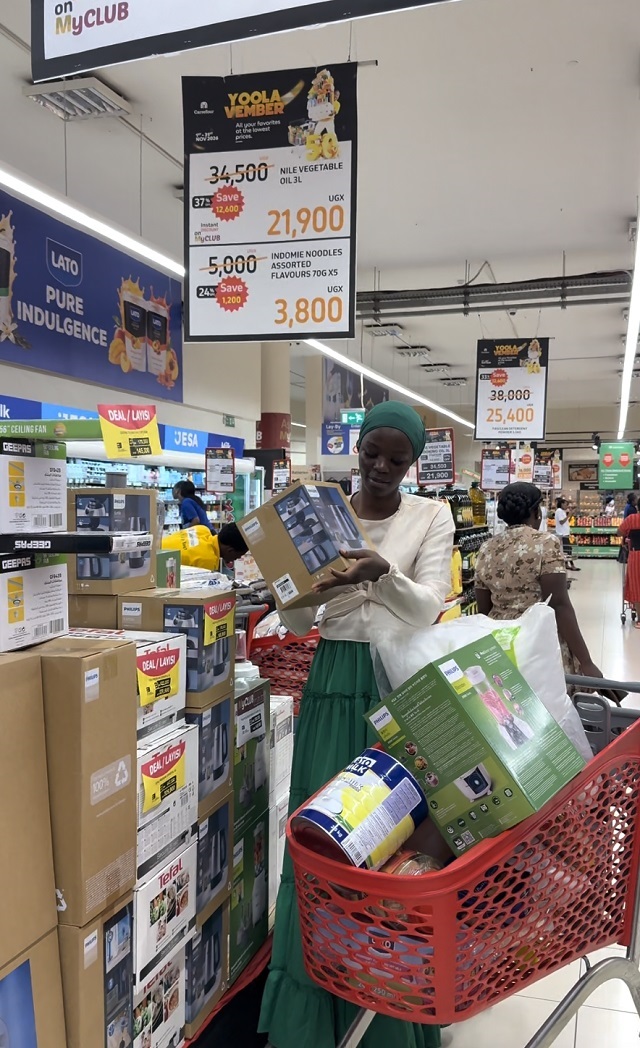 Black November gains momentum as Ugandan retailers compete for shoppers’ attentionThe Independent Uganda