
Africa: El Niño Threatens More Than Two-Thirds of Children in Eastern and Southern Africa

What the report says
UNICEF says a strengthening 2026/2027 El Niño could put more than 162 million children, or over two-thirds of all children in Eastern and Southern Africa, at risk from drought, extreme heat and flooding. The agency issued the warning from Nairobi on 1 September 2026, describing the situation as a predictable crisis that leaves only a short window for preventive action.
The risks highlighted by UNICEF include damage to nutrition, health services, safe water and sanitation, education and child safety. The organization said forecasts point to urgent and overlapping threats in countries including Djibouti, Eritrea, Ethiopia, Kenya, Madagascar, Malawi, Mozambique, Somalia, South Sudan, Sudan, Uganda, Zambia and Zimbabwe. It cited particular concerns in Somalia, Ethiopia and South Sudan, where weather shocks could worsen displacement, food insecurity and disease pressures.
UNICEF said less than 1% of international humanitarian aid is currently available for anticipatory action, even though early support could reduce human suffering and later recovery costs. The agency is asking donors and partners to fund child-focused preparedness measures, including nutrition supplies, health and water systems, school continuity, protection from violence, and shock-responsive social protection.
UNICEF is seeking US$173 million as part of its 2026 Humanitarian Action for Children requirements to reach families across 13 priority countries. The appeal underscores a broader climate and humanitarian challenge in the region, where early financing and preparedness are increasingly seen as essential to limit the impact of forecast weather extremes.
Loading debate for this article…
Other publishers covering this story
No additional verified coverage is currently clustered with this report.
Related reporting
 Dispute Between Trump Allies Centers on Payment From CongoNew York Times World
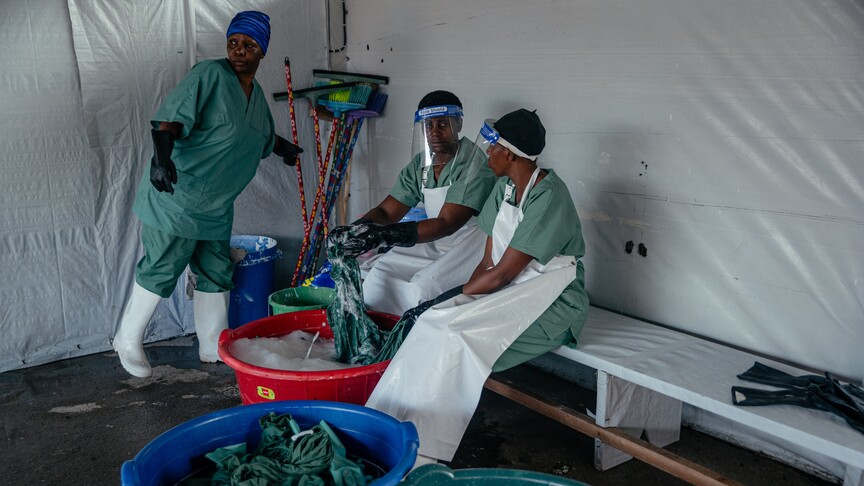 Kenya confirms 4 new Ebola cases, including 3 health workers, raising total to 7Anadolu Agency Africa
 What to Know About the Violent Protests in AlbaniaNew York Times World
 Buildings and cars set on fire as cost of living protests rock FranceAl Jazeera
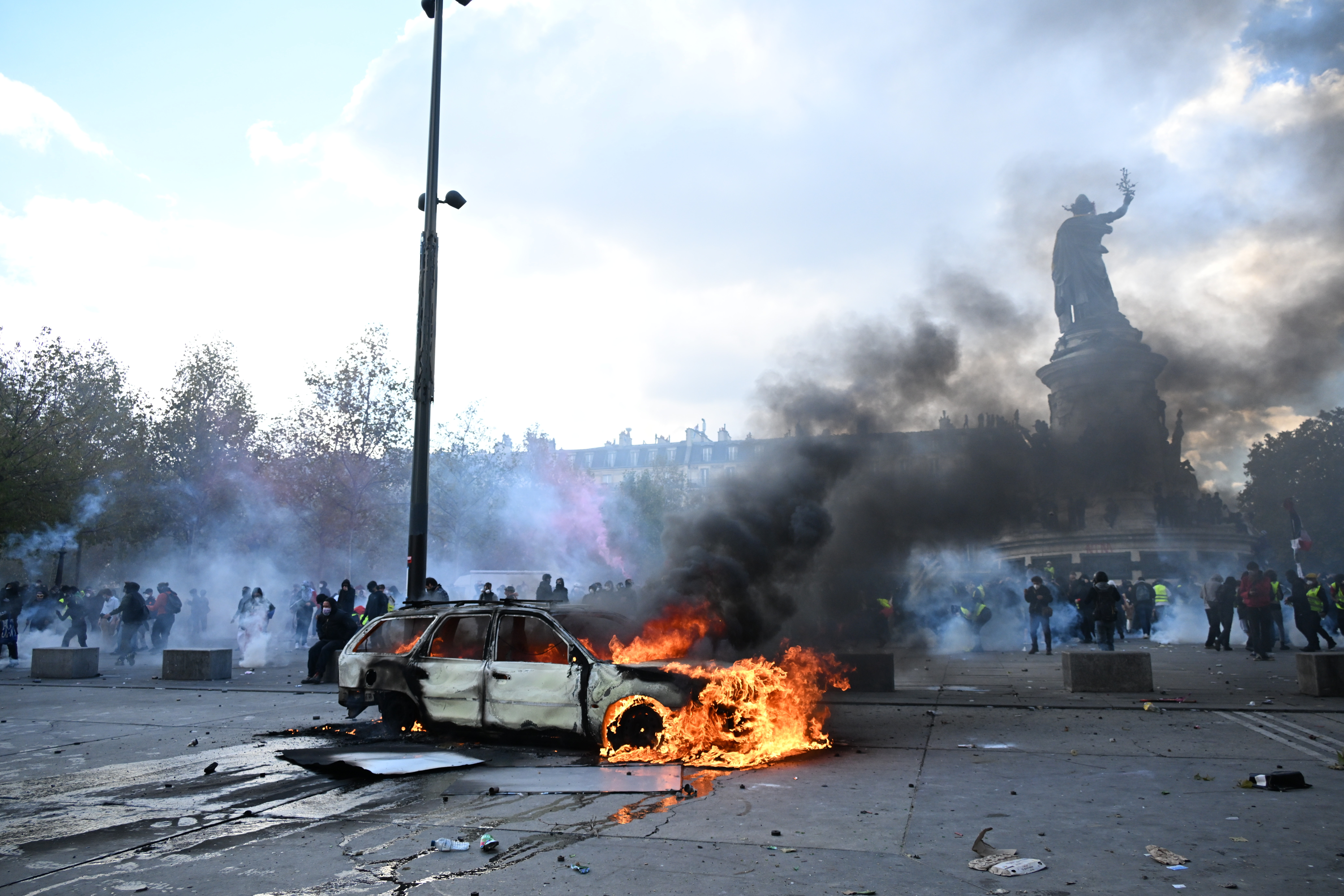 Scuffles and fires break out as protesters rally across France, joining studentsNPR World
 Indian Gen Z Protest Leader Is Released on Bail After ArrestNew York Times World