
Africa: Africa's Food Insecurity Eases for First Time in a Decade. The Next Task is Making the Gains Harder to Reverse
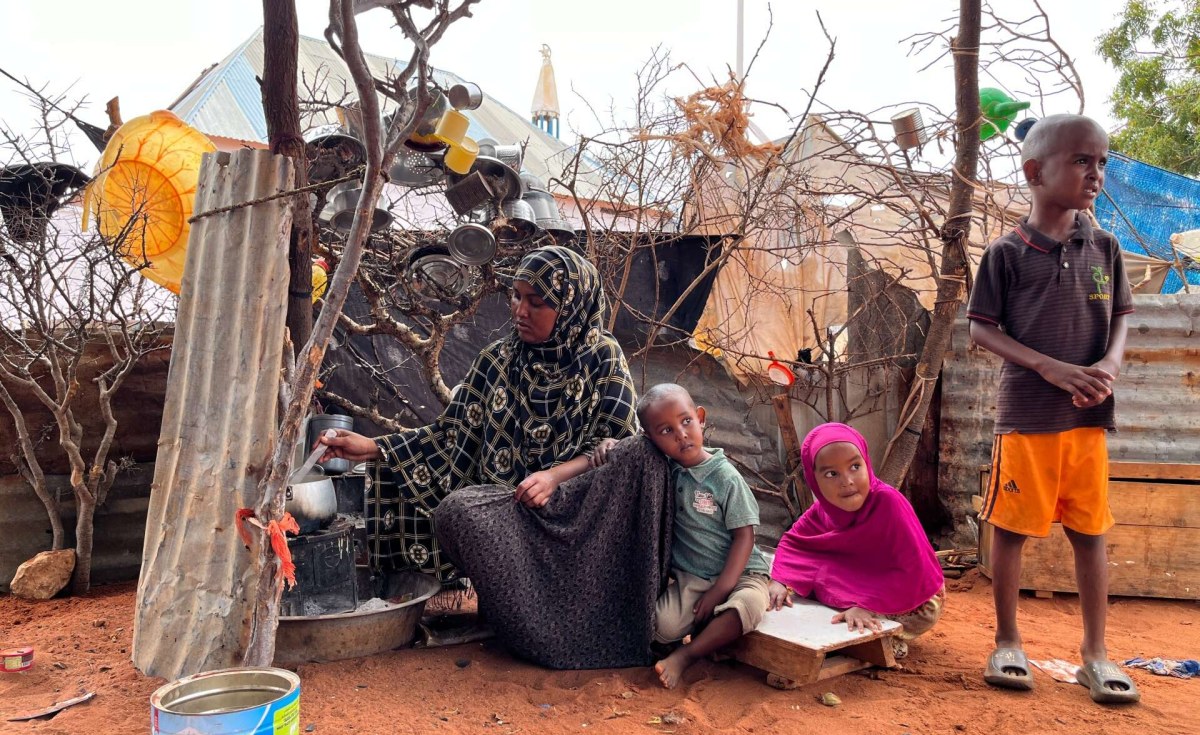
What the report says
AllAfrica published a 23 July 2026 guest column by Maximo Torero, chief economist of the UN Food and Agriculture Organization, saying Africa recorded its first continent-wide improvement in food insecurity in about a decade. The article reported that the hunger rate edged down from 20.3% in 2024 to 20% in 2025, while moderate or severe food insecurity fell from 58.5% to 56.6%, equal to 8.6 million fewer people. Severe food insecurity and child stunting also declined, according to the column.
The improvement is described as modest but potentially important because hunger had been worsening across the continent since 2017. Torero argued that the gains reflect long-term investments by some African countries in agricultural research, extension services, veterinary systems, rural roads, market links and household survey capacity. The column cited longer-run reductions in hunger rates in countries including Senegal, Togo, Ghana, Côte d’Ivoire, Rwanda and Mozambique.
The article stressed that Africa still faces the world’s largest food security burden, with 309 million hungry people, and said the continent is projected to account for 56% of the world’s hungry population by 2030. It also noted that two in three Africans cannot afford a healthy diet, with high costs for foods such as milk, eggs, fish, meat, fruits, vegetables and legumes.
Torero’s main policy argument was that governments should focus not only on reducing hunger, but also on lowering the cost of nutritious diets through better-targeted subsidies, animal health, aquaculture, cold chains, rural roads, cheaper energy and crop research. The column also cautioned that aid remains vital in conflict-affected countries and that funding pressures could test whether the 2025 gains endure.
Loading debate for this article…
Other publishers covering this story
Related reporting
 The Muslims finding belonging in southern SpainAl Jazeera
 Rubio calls on Cubans to partner with CIA ‘to create positive change’Al Jazeera
 Chicago Bulls storm back from early deficit to beat Milwaukee Bucks in NBAAl Jazeera
 Massive chemical plant fire triggers mass evacuations in MexicoAl Jazeera
 Dan Sullivan vs Dan Sullivan: Why is Trump’s DOJ suing in Alaska?Al Jazeera
 Aston Villa vs Manchester City LIVE: Premier LeagueAl Jazeera