
Africa: Africa and the New World Map

What the report says
The AllAfrica-published opinion piece by Cheta Nwaze discusses a United Nations General Assembly resolution that encourages governments and institutions to move away from the long-used Mercator projection and toward the Equal Earth projection. The article says the vote passed by a wide margin, with the United States the only country to dissent. It frames the decision as more than a technical change, arguing that the world map people see affects how they understand Africa and the rest of the globe.
According to the article, the Mercator projection was designed in the 16th century for navigation, but it makes land near the poles appear much larger than it is and shrinks areas closer to the equator. Nwaze says this has had lasting educational and political consequences, especially for Africa, which he argues has often been visually understated in classrooms, media and policy discussions. The piece also notes that Equal Earth, created in 2018, is an equal-area projection that better reflects continental size, though it introduces other distortions.
The article cites remarks attributed to officials from Togo and France and to Africa No Filter, all supporting the idea that map design shapes perception. It says the UN resolution does not ban Mercator, but seeks broader use of maps that show Africa in its true proportions. The author argues that changing maps in schools, newsrooms and digital platforms could influence future understanding of Africa’s scale, resources and strategic importance.
Loading debate for this article…
Other publishers covering this story
No additional verified coverage is currently clustered with this report.
Related reporting
 Meta strikes deal to stop Mark Zuckerberg leaving California over billionaire taxBBC World News
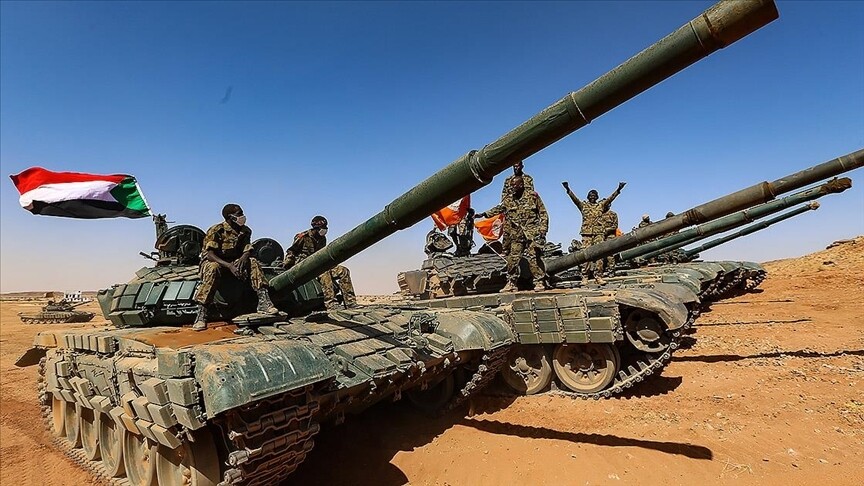 Sudanese army retakes 2 strategic areas in Blue Nile state, downs droneAnadolu Agency Africa
 Crowd of 50 beats foreigner to death in South AfricaBBC Africa
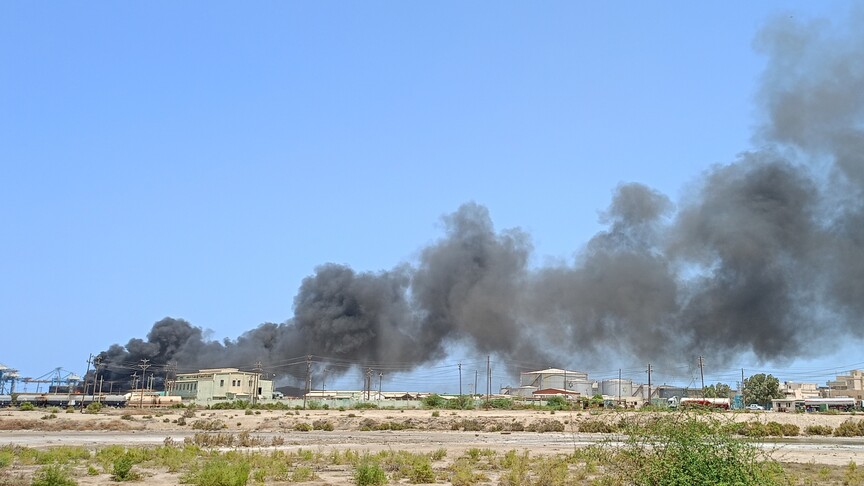 Red Cross warns aerial attacks in Sudan cause rise in civilian harmAnadolu Agency Africa
 In the Wake of Riots, French Authorities Ban Some ProtestsNew York Times World
 Ebola Outbreak in Africa Reaches Widest Expansion EverNew York Times World