
Abdul El-Sayed welcomes Trump's plan to cut Israel aid, calls for end to arms sales
What the report says
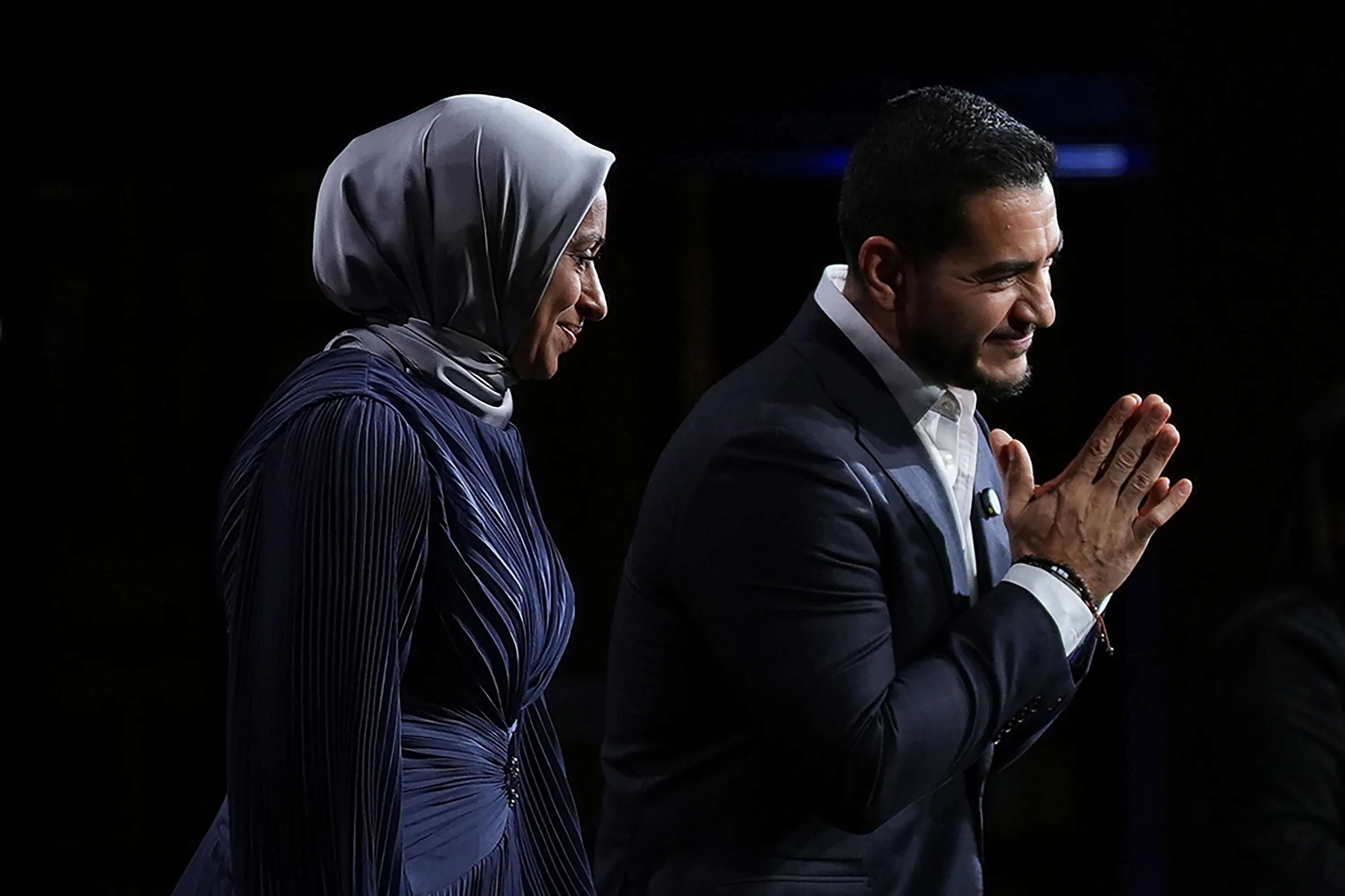
Abdul El-Sayed, Michigan’s senator-elect and the state’s first Muslim senator-elect, said he welcomes President Trump’s reported plan to reduce U.S. military aid to Israel and wants the broader policy to go further, including an end to arms sales. In the NPR World piece, El-Sayed frames that position as an unusual point of overlap with Trump, even as the two remain far apart on most issues.
The interview centers on El-Sayed’s historic victory and the political context surrounding it. NPR describes the result as a landmark moment for Michigan politics, while also noting that sharp divisions remain over Israel and Gaza. El-Sayed’s comments place him among a small group of U.S. political figures openly pressing for a major shift in American support for Israel’s military.
The development matters because it ties a newly elected senator’s platform to one of the most polarizing foreign policy debates in U.S. politics. It also highlights how the conflict continues to shape domestic campaigning and coalition-building, especially among voters divided over U.S. aid, military assistance, and the future of American involvement in the region. Background: members of Congress often debate the size and conditions of U.S. assistance to Israel, but calls to cut or end weapons transfers remain politically contentious.
Loading debate for this article…
Other publishers covering this story
No additional verified coverage is currently clustered with this report.
Related reporting
 Photos: Iran marks US embassy takeover with rallies against US, IsraelAl Jazeera
 The young politicians with African roots making history in the US midtermsBBC Africa
 Goalkeeper involved in collision with Spanish footballer who died releases statementSky News World
 Ukrainian strikes kill three in Russia’s Belgorod regionAl Jazeera
 Democratic voters celebrate El-Sayed’s Michigan win in election ‘blue wave’Al Jazeera
 Israel's president to begin consultations with parties after election deadlockBBC World News