A six-year-old entered an iron lung after polio. More than 70 years later, he had become the world’s long - The Times of India
What the report says
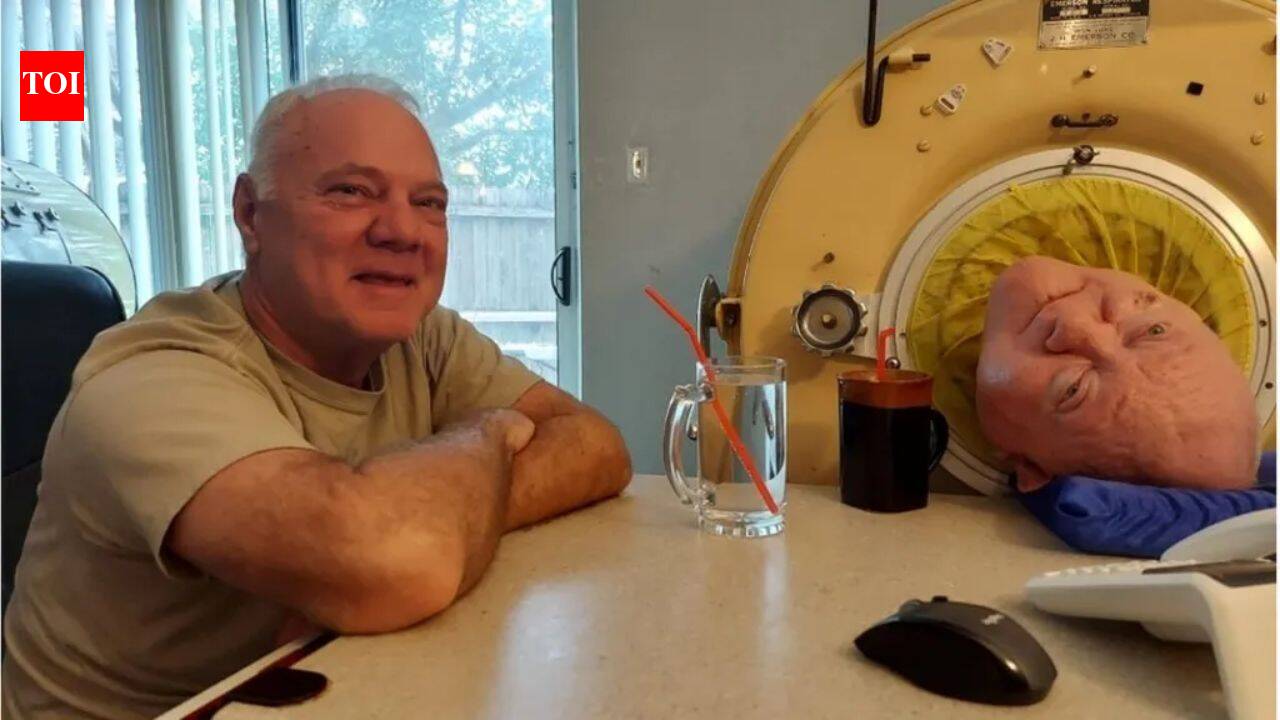
The Times of India, citing the BBC, revisited the life of Paul Alexander, a Texas man who contracted polio at age six and went on to become the longest-known survivor to live for decades with the help of an iron lung. The report, updated July 22, 2026, says Alexander was paralysed from the neck down during a severe polio era and required mechanical respiratory support after an emergency tracheostomy. He died in 2024 after relying on the machine from childhood for more than 70 years.
The article explains that the iron lung, once common in hospital wards during polio outbreaks, used pressure changes around the body to help patients breathe. After nearly two years in hospital, Alexander’s parents brought him home despite doctors’ concerns about his survival. His family and neighbours helped keep the machine operating, including during power cuts, and his father devised a mouth-operated alarm so Alexander could call for help.
According to the report, Alexander later learned glossopharyngeal, or “frog,” breathing, which let him spend increasing time outside the iron lung. That ability helped him take part in neighbourhood life, pursue education from home, attend the University of Texas, and eventually qualify as a lawyer in Dallas. The article presents his independence as built not on doing everything alone, but on coordinating caregivers, friends and practical support.
The Times of India also notes the broader public-health context: polio can cause irreversible paralysis in a small share of infections, and those whose breathing muscles are affected need respiratory support to survive. Alexander’s story matters because it links a largely historical medical technology with a modern account of disability, caregiving and persistence.
Loading debate for this article…
Other publishers covering this story
No additional verified coverage is currently clustered with this report.
Related reporting
 Medicine shortages undermining village health teamsThe Observer
 Depression: Walking Through the Three Corners of Life Toward HealingNile Post
 Ebola: Uganda Reinstates Traveller Locator FormsNile Post
 Uganda remains Ebola-free as Health ministry probes Nigerian traveller infected with virus - Daily MonitorDaily Monitor
 Atwine Warns Border Officers Over Ebola Screening Lapses at MpondweNile Post
 Rising patient numbers strain Bulucheke Health Centre IVThe Independent Uganda