
A hidden Alzheimer’s tipping point may decide who gets dementia - ScienceDaily

What the report says
ScienceDaily, citing materials from the Vlaams Instituut voor Biotechnologie, reported on July 26 that researchers have identified a possible biological “tipping point” that may influence whether Alzheimer’s-related changes in the brain progress to dementia. The work involved VIB, KU Leuven, the UK Dementia Research Institute and Muna Therapeutics, and was published in Nature Medicine.
The study examined donated brain tissue from older adults with and without cognitive decline, as well as cognitively healthy centenarians. Using spatial transcriptomics and single-cell sequencing, the researchers mapped cellular activity in brain tissue and identified six tissue domains that appeared to reflect stages in Alzheimer’s progression. A key shift occurred between regions associated mainly with amyloid-beta plaques and those linked to tau pathology and neurodegeneration.
The researchers focused on microglia, the brain’s resident immune cells. ScienceDaily reported that microglia appeared to move from an early inflammatory response associated with amyloid plaques into a later antigen-presenting state that coincided with tau-related damage. In some older adults who had plaques but no dementia, microglia showed the earlier response but did not shift into the later state. In centenarians, the later microglial program appeared more separated from tau accumulation, suggesting more than one route to cognitive resilience.
The findings matter because Alzheimer’s pathology does not always match a person’s cognitive condition; some people have plaques and tangles without dementia. The study suggests future treatments might look beyond plaque removal and instead aim to preserve protective microglial activity or influence immune-cell transitions, with pathways such as TREM2 highlighted as possible targets. The reported findings are based on human donor tissue and point to therapeutic directions rather than an established treatment.
Loading debate for this article…
Other publishers covering this story
No additional verified coverage is currently clustered with this report.
Related reporting
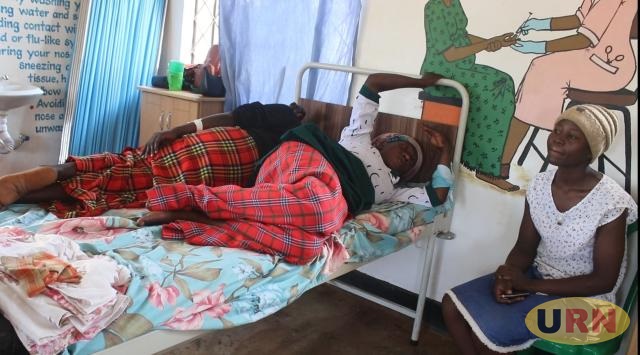 Mothers forced to share beds, sleep on floor at Bulucheke Health Centre IVThe Independent Uganda
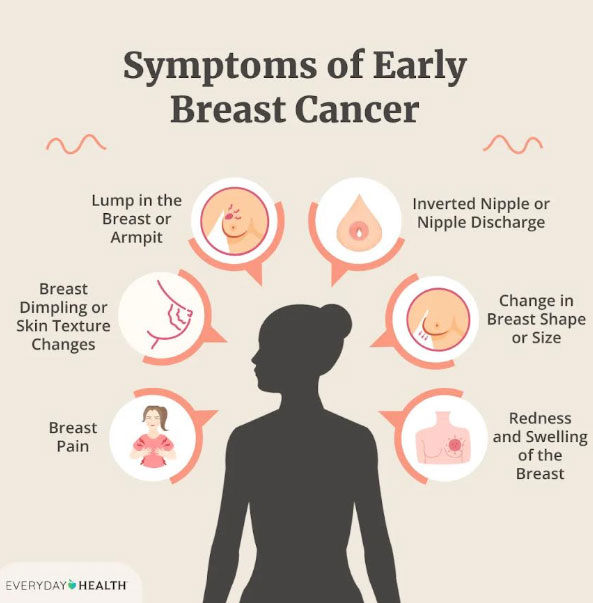 The overlooked realities of breast cancer in UgandaThe Independent Uganda
 Parents Urged to Vaccinate Children Against PolioNile Post
 Kilembe Hospital Targets December Readiness Ahead of 2027 Mining RestartNile Post
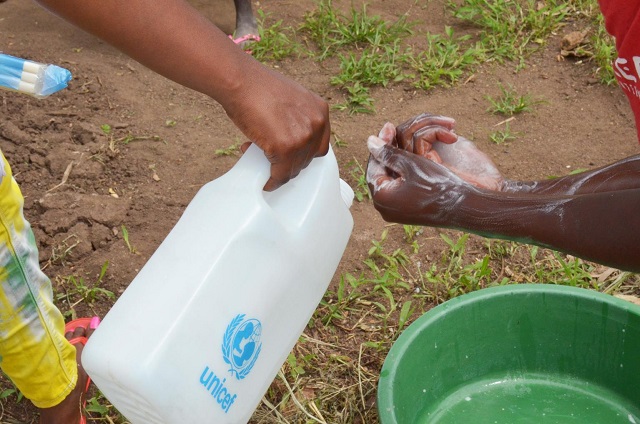 REPORT: 90% of Ugandans can’t wash their hands properlyThe Independent Uganda
 Ebola: Health workers must maintain high index of suspicion, experts declareThe Punch