
A burial row over Zambia's late president has turned its election into a hot contest
What the report says
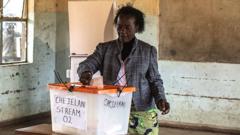
BBC Africa reports that Zambia’s 13 August general election has become more competitive than expected, with President Hakainde Hichilema seeking a second term while facing a stronger opposition challenge and public frustration over living costs. The contest is taking place against a backdrop of more than eight million registered voters choosing a president and new parliament, and is widely seen as one of the country’s most uncertain elections in years.
A central political issue is the unresolved burial of former president Edgar Lungu, who died in South Africa more than a year ago. The BBC says the dispute between Hichilema and the Lungu family has deepened political divisions and helped energise support for the opposition, especially in areas long loyal to Lungu’s Patriotic Front. That dynamic has aided opposition candidate Brian Mundubile, who is running under the Tonse-Pamodzi Alliance banner and has campaigned on change, youth inclusion and a promise to handle Lungu’s burial respectfully if elected.
The article also highlights the economic pressures shaping voter sentiment, including high food prices, unreliable power supplies and the lingering impact of recent drought-driven blackouts. Hichilema argues his government has stabilised the economy through debt restructuring, free education, more hiring in public services and higher investment, while critics say the benefits have not reached enough people. BBC Africa presents the race as a test of both economic performance and political trust, under constitutional reforms intended to broaden participation by youth and women.
Loading debate for this article…
Other publishers covering this story
No additional verified coverage is currently clustered with this report.
Related reporting
 Israel bans Arab parties from election: Who they are, why it mattersAl Jazeera
 Virat Kohli says he will retire from India cricket after 2027 World CupAl Jazeera
 ‘Super El Niño’ deepens hunger crisis in South Sudan says UNFrance24 Africa
 Special Edition: Our Interview With Mark CarneyNew York Times World
 England vs Spain: UEFA Nations League – Predictions, teams, head-to-headAl Jazeera
 Morocco’s Authenticity and Modernity Party wins parliamentary electionFrance24 Africa