
256 Mall guide: how Uganda’s online shopping mall helps buyers find local sellers faster

Full report
256 Mall gives shoppers a single online place to browse goods and services from sellers in Uganda, compare visible product details, and move from discovery to purchase actions such as adding to cart, buying now, chatting with a seller or visiting a seller shop.
The problem on the ground
Finding everyday products, local food, furniture, electronics, accommodation or personal-care items can involve moving between many individual shops, phone contacts and social pages. A buyer may want to know what is available, where the seller is located, how the item is priced, and whether there is a direct way to ask questions before committing.
That practical need is especially clear for shoppers who are comparing across categories. A household buyer may be looking for groceries, maize flour, drinks, liquid soap or furniture. A parent may be checking school supplies or children’s fashion. A traveller may be comparing places to stay. A phone buyer may want to see devices and accessories listed by different sellers. In each case, the challenge is not only finding an item; it is also seeing enough basic information to decide the next step.
256 Mall is built around that service gap: it presents online listings with product names, prices in Uganda shillings, seller names, locations and action buttons. The source page shows listings from several Ugandan locations, including Kampala, Lira City, Lira, Gulu, Amolatar, Kira, Apac and other named areas. That gives users a more structured way to start a shopping search than relying only on scattered references or walking shop to shop without prior information.
What 256 Mall offers
256 Mall is presented on its official website, https://256.ug, as “Uganda’s National Online Shopping Mall.” Its homepage is organised around shopping departments and seller listings. The page shows a “New listings” area described as items “just listed by sellers across Uganda, newest first,” followed by department sections and category pages.
The service covers a wide range of everyday and occasional-buy categories. The page shows departments such as Fresh Food & Produce, Groceries & Daily Shop, Drinks, Restaurants & Bars, Hotels, Phones & Accessories, TVs & Electronics, Women’s Fashion, Men’s Fashion and Children’s Fashion. Deeper sections shown on the same page include Furniture & Carpentry, Bath, Hygiene & Personal Care, Herbal & Natural Remedies, Pharmacy & Health, Groceries & Everyday Essentials, Drinks: Sodas, Juices, Water & More, Restaurants, Bars & Takeaway, Hotels & Places to Stay, and Phones & Accessories.
The usefulness of the platform is in how those departments are presented. A shopper is not only seeing broad labels; the interface displays named listings with a price, unit and location. Examples on the source page include food items priced per kilogram or bunch, drinks priced by bottle or volume, hotel rooms priced per night, furniture priced per piece or job, restaurant items priced per plate or entry, and farm or livestock-related listings priced by bird, chick, head or unit. The details vary by listing, but the repeated structure helps a buyer scan quickly.
The homepage also gives shoppers several ways to act on a listing. Product-style listings show options such as “Add to cart,” “Buy now,” “Chat with seller,” and “Visit seller shop.” Restaurant and takeaway listings show “Order” and “Buy now” options. Hotel listings show “See rooms,” alongside seller chat and shop options. These are important product features because they connect browsing with the next practical step: saving an item, initiating a purchase, asking a seller a question, reviewing a shop, ordering food or checking accommodation rooms.
How the service fills the gap
256 Mall fills the shopping-information gap by combining three things that are often separated in a conventional shopping journey: category browsing, local seller discovery and direct transaction prompts.
First, the department structure helps users begin with what they need rather than with a specific seller name. Someone looking for household basics can start around groceries or everyday essentials. Someone looking for a bed, sofa, desk or carpentry service can use the furniture sections. A customer searching for a phone or screen guard can move through Phones & Accessories. A diner or traveller can review restaurant, bar, takeaway and hotel entries. That category-first layout makes the platform usable even when the shopper does not already know which seller to contact.
Second, the listings include location signals. The source page shows areas such as Old Kampala, Kamwokya, Kireka, Kawaala, Rubaga Road, Namirembe Road, Kyanja, Lira City, Odokomit, Juba Road, Alira, Blue Corner, Gulu and Amolatar. For buyers, location matters because it affects whether a seller is practical to contact, visit or order from. 256 Mall does not require the reader to infer where a listing might be; the location field is part of the browsing experience.
Third, the platform encourages direct seller engagement. The “Chat with seller” button appears repeatedly across listing types. That matters because many purchases need clarification before payment or collection: size, colour, quantity, availability, room details, pickup arrangements, delivery possibilities, specifications or condition. The page does not state a response-time promise, but the presence of a direct chat action gives buyers a route to ask listing-specific questions.
Compared with a fragmented shopping process where a buyer has to search separate shop pages, call around, or move physically from outlet to outlet before seeing prices and locations, 256 Mall’s evidenced advantage is that it places departments, listing details, seller identity, location and purchase/contact actions in one web interface. That is a category-level difference in access, not a claim that every transaction is completed online or that every listing is always available.
The service also supports seller visibility. A listing can display the seller name and a “Visit seller shop” action, allowing buyers to move from a single item to the seller’s wider presence on the platform. For small traders, restaurants, hotels, food sellers, fashion shops, electronics sellers and furniture makers, that kind of listing format can make their products easier to discover by users already browsing related departments.
Features, availability and access
256 Mall is available through its official website at https://256.ug. The supplied source page is a public web page, and the article evidence supports access through that URL. The page does not state whether there is a separate mobile app, physical office, customer-care line, membership requirement or operating schedule, so readers should check the official site for current access and account details.
The interface displays prices in UGX and uses different units depending on the listing. The page shows examples of prices per piece, set, pair, bottle, kilogram, bunch, litre, packet, jar, plate, night, entry, chick, bird, head, unit and job. This helps shoppers understand whether they are comparing a single item, a room night, a food plate, a service job or a quantity-based product.
The platform also displays seller locations. The source page includes listings in Kampala and surrounding areas, Lira City and nearby localities, Gulu, Amolatar, Apac, Kira and other named places. The homepage language says new listings are from sellers across Uganda. Because the page is a live marketplace interface, exact item availability, seller participation and category depth should be checked on the website at the time of use rather than treated as fixed.
The main access actions shown are “Add to cart,” “Buy now,” “Chat with seller,” “Visit seller shop,” “Order” for food and hospitality-style listings, and “See rooms” for hotel listings. Those features suggest that 256 Mall is designed for both product shopping and service discovery, including accommodation and food ordering categories. The page also presents “See all” navigation in several sections, indicating that users can open broader lists beyond the items previewed on the homepage.
Limitations are important for readers to understand. The source page does not state delivery coverage, delivery fees, payment methods, refund or return rules, seller verification standards, buyer protection terms, age restrictions for regulated goods, medical-product safety rules, hotel booking confirmation policies, or whether prices are negotiable. It also does not state whether every listing is available for immediate fulfilment. Buyers should therefore use the listing details and seller chat carefully, confirm the current price and availability, and review the platform’s current terms on 256.ug before completing a transaction.
Why this matters for Uganda
A national online shopping mall can be useful in Uganda because commerce is local, varied and increasingly searchable. 256 Mall’s evidenced design brings together sellers from multiple locations and categories in a format that can help buyers start with a need, view options, and contact sellers directly.
For consumers, the potential benefit is convenience and clarity. Seeing the department, item name, seller, price unit and location in one place can reduce uncertainty at the discovery stage. It can help a buyer decide whether to ask for more details, place an order, buy now, save an item to cart or visit a seller shop.
For sellers, the platform can provide an online display space for products and services that are normally discovered through foot traffic, word of mouth or individual contact lists. The source page shows participation by sellers in food, hospitality, fashion, electronics, furniture, personal care, produce and other everyday categories. That breadth suggests a marketplace model designed to serve both formal and informal shopping needs.
For Uganda’s wider digital economy, services like 256 Mall can make local inventory more visible online without requiring every buyer to know each seller beforehand. The platform does not, from the supplied evidence, publish national impact figures or transaction volumes. But its structure is designed to support practical online discovery: browse by department, compare listing basics, identify location, then contact or purchase through the available actions.
The clearest takeaway for shoppers is simple: 256 Mall is not just a catalogue of one product type. It is a multi-department online mall where users can look for everyday goods, food, accommodation, electronics, fashion, furniture and more, then use the platform’s built-in actions to take the next step with the seller.
How to access the service
Visit 256 Mall at https://256.ug to browse current listings and seller details.
This article was prepared from 256 Mall’s official published information on its public website.
Loading debate for this article…
Other publishers covering this story
No additional verified coverage is currently clustered with this report.
More from 256 Mall
Other publications from this publisher — open any story without leaving the article page.
256 Mall gives Ugandan shoppers one web address for local products, food, hotels and seller shops
256 Mall · 18 Nov 2026
256 Mall brings Uganda’s online shopping into one browsable marketplace
256 Mall · 18 Nov 2026
How 256 Mall helps Ugandans shop, compare and contact local sellers online
256 Mall · 17 Nov 2026
How 256 Mall helps shoppers compare local goods, services and sellers in one Ugandan online mall
256 Mall · 17 Nov 2026
256 Mall guide: a practical online route to Ugandan sellers, products, meals and rooms
256 Mall · 16 Nov 2026
256 Mall helps Ugandans discover shops, products and places to stay from one online marketplace
256 Mall · 15 Nov 2026
256 Mall gives Ugandan shoppers one place to discover local products, sellers and prices online
256 Mall · 15 Nov 2026
256 Mall helps Ugandan buyers discover shops, products and local services in one online mall
256 Mall · 14 Nov 2026
256 Mall gives Ugandan shoppers one online place to discover sellers, compare listings and buy across everyday categories
256 Mall · 14 Nov 2026
256 Mall puts Ugandan sellers, prices and shopping categories in one online mall
256 Mall · 13 Nov 2026
256 Mall brings local shopping into one Uganda-wide online mall
256 Mall · 13 Nov 2026
256 Mall guide: how Uganda’s national online shopping mall connects buyers to local sellers
256 Mall · 12 Nov 2026
256 Mall gives Ugandan buyers and businesses a single online place to find, compare and contact local sellers
256 Mall · 12 Nov 2026
256 Mall puts Ugandan shops, services and everyday goods in one online marketplace
256 Mall · 11 Nov 2026
256 Mall puts Ugandan products, seller chat and local shop discovery in one online mall
256 Mall · 11 Nov 2026
A practical buyer’s guide to shopping safely on 256 Mall
256 Mall · 10 Nov 2026
256 Mall guide: shop by category, location and seller contact on Uganda’s online mall
256 Mall · 10 Nov 2026
How 256 Mall helps shoppers find Ugandan sellers, prices and products in one online place
256 Mall · 9 Nov 2026
256 Mall guide: how Uganda’s online shopping mall helps buyers find products, sellers and local services
256 Mall · 9 Nov 2026
256 Mall puts Uganda’s everyday shopping, local sellers and service listings in one online mall
256 Mall · 8 Nov 2026
256 Mall makes local shopping easier to discover across Ugandan sellers
256 Mall · 8 Nov 2026
256 Mall helps Ugandans discover local sellers, compare everyday options and buy from one online mall
256 Mall · 7 Nov 2026
256 Mall helps Ugandans discover shops, products and services in one online marketplace
256 Mall · 7 Nov 2026
256 Mall brings Uganda’s online shopping, seller chat and shop pages into one national marketplace
256 Mall · 6 Nov 2026
256 Mall puts Ugandan shopping, food, hotels and local sellers into one online mall
256 Mall · 6 Nov 2026
256 Mall guide: how Uganda’s online shopping mall helps buyers find sellers by category, price and location
256 Mall · 5 Nov 2026
256 Mall gives Ugandan sellers a storefront and shoppers one place to browse local goods and services
256 Mall · 5 Nov 2026
256 Mall brings Uganda’s local sellers into one online shopping mall
256 Mall · 4 Nov 2026
256 Mall brings Ugandan shops, food, rooms and everyday goods into one online marketplace
256 Mall · 4 Nov 2026
256 Mall helps Ugandans shop by category, location and seller in one online mall
256 Mall · 3 Nov 2026
256 Mall: a safer, clearer way to browse Uganda’s online marketplace
256 Mall · 3 Nov 2026
256 Mall brings local shopping into a Uganda-wide online marketplace
256 Mall · 2 Nov 2026
How 256 Mall helps Ugandans find products, sellers and services in one online marketplace
256 Mall · 2 Nov 2026
256 Mall guide: how Uganda’s online shopping mall helps shoppers discover nearby sellers and everyday services
256 Mall · 1 Nov 2026
How 256 Mall helps Ugandans discover shops, food, rooms and everyday goods online
256 Mall · 1 Nov 2026
256 Mall makes local shopping easier to discover across Uganda
256 Mall · 31 Oct 2026
Related reporting
 Uganda Digital Society elects new secretariatThe Observer
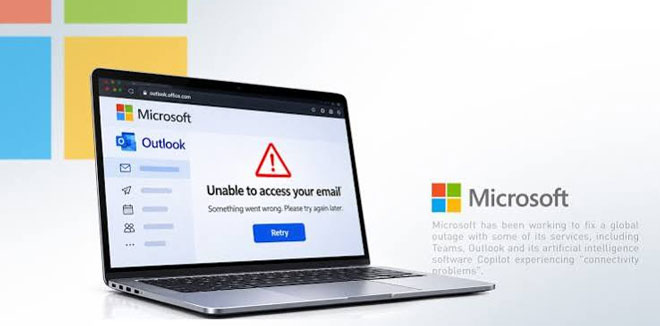 Could you survive without Microsoft?The Independent Uganda
 2028 Ford Mustang GTD Gets A Special Edition 125 Years In The Making - Motor1.comMotor1
 How To Play GTA 6 Early On Xbox Using This Trick - GameSpotGameSpot
 Xiaomi 18 purportedly leaks in live image - GSMArena.com news - GSMArena.comGSMArena.com
 How to Get Ready for November 19 - XBOX WireXbox.com